


Traveling in Africa by Car
Authors' names: Roi and Naama
- Independent / backpacking
Authors' names: Roee and Naama
The route we took:
6 months (Tanzania, Malawi, Zambia, Botswana, Namibia, South Africa), March-September 2017.
The vehicle we traveled with:
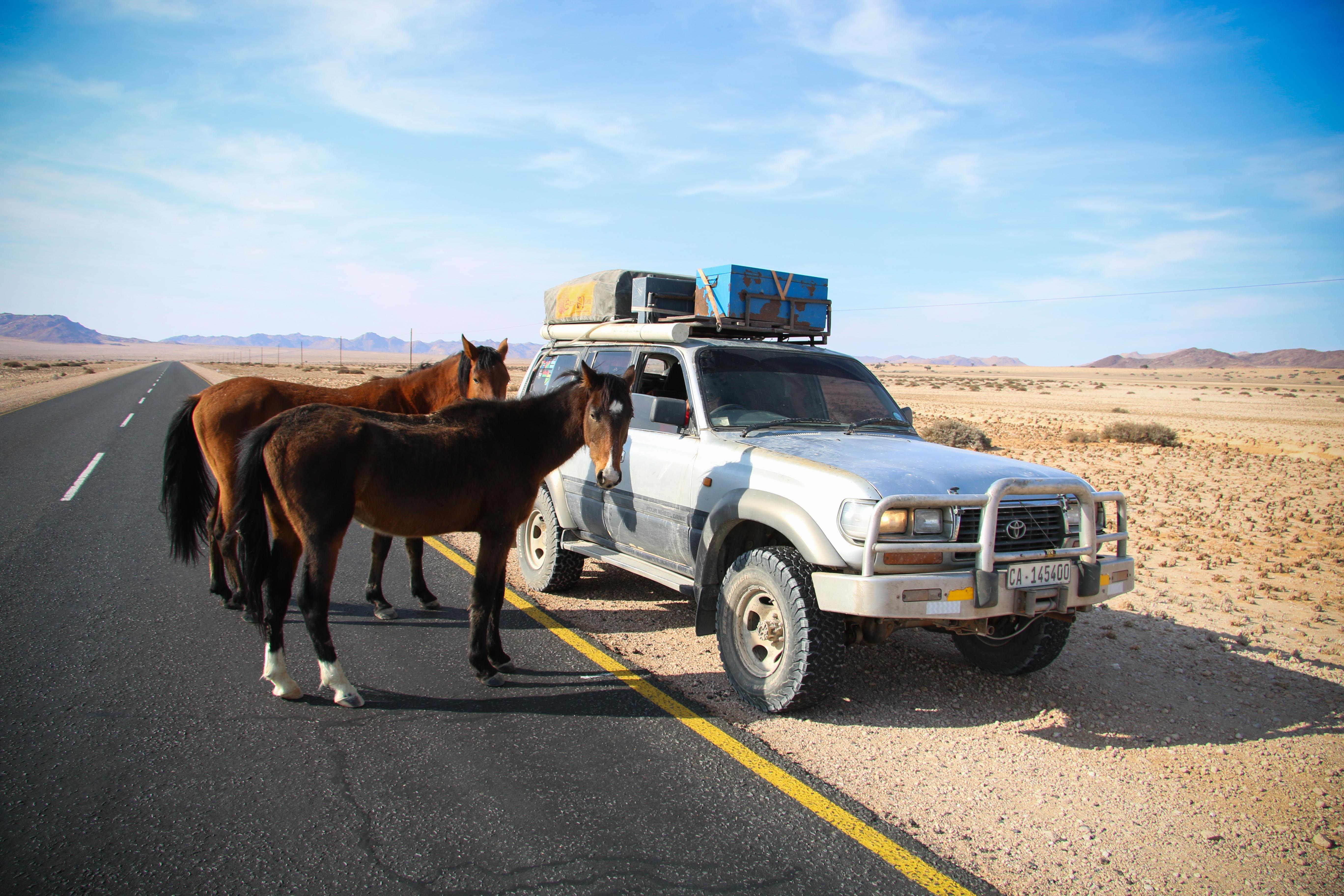
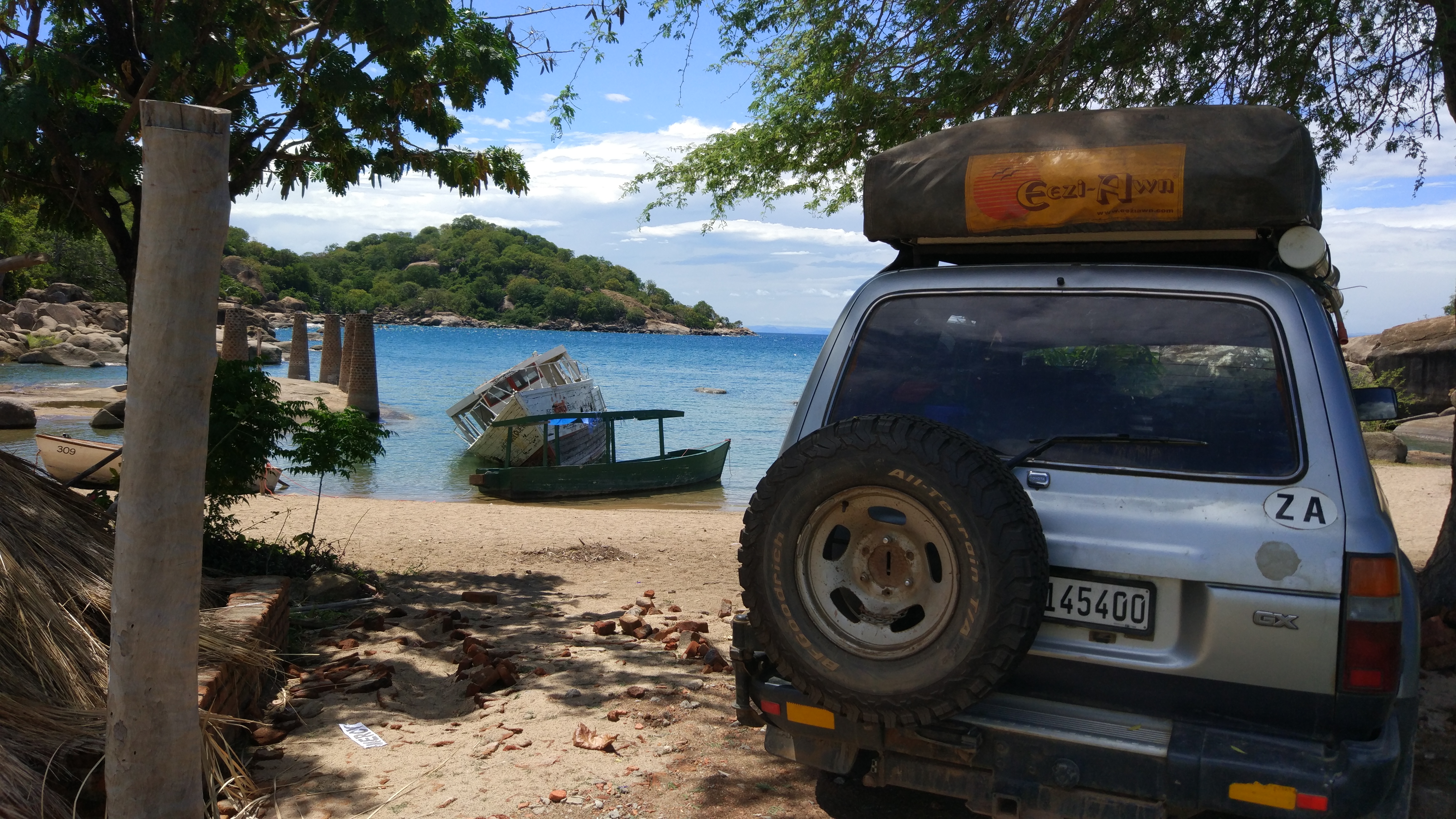
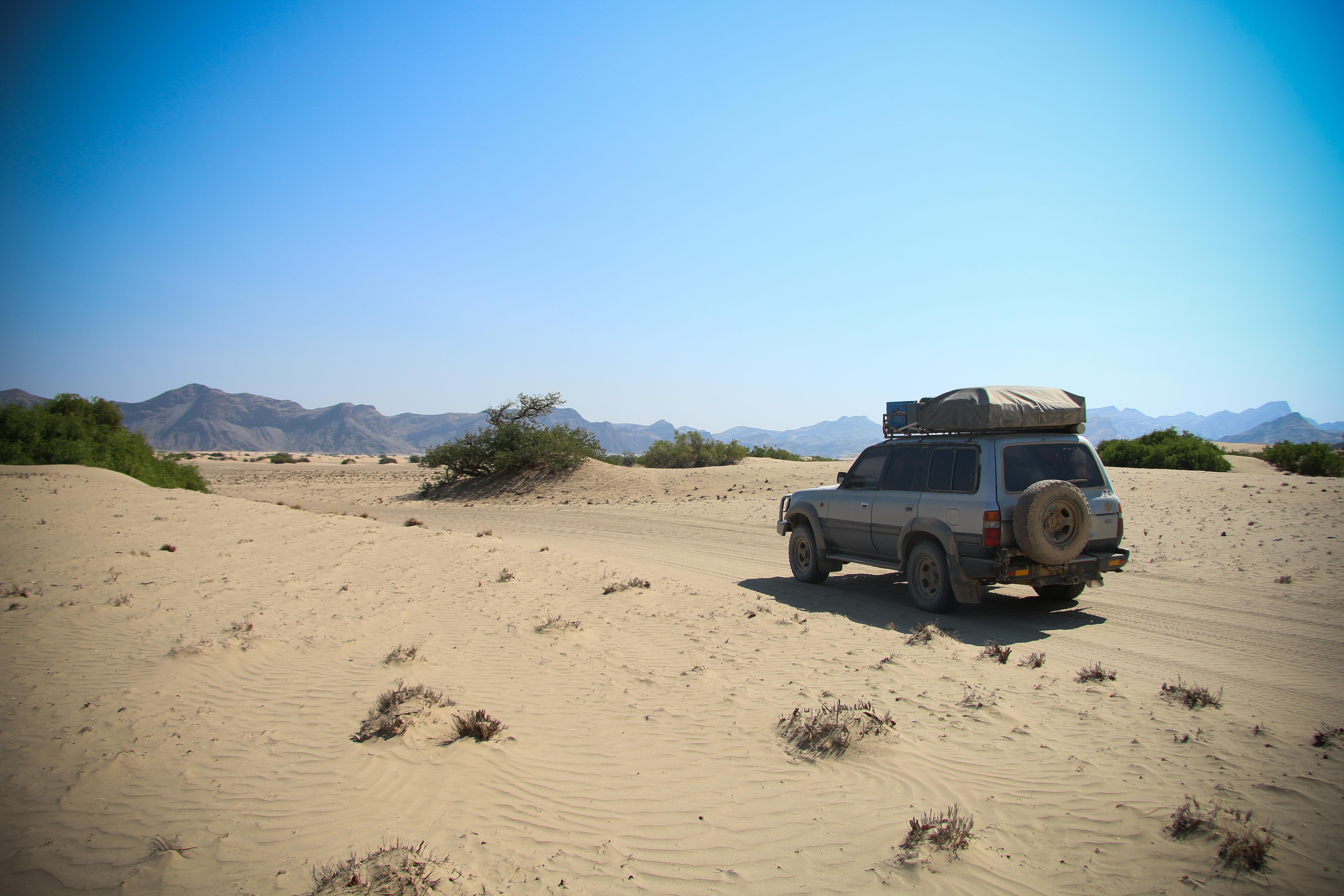
Toyota Land Cruiser 80 Series, 1996, 4.5L petrol engine, BFGoodrich All-Terrain tires
Why travel with a vehicle?
Because it's fun.
There are countries that you simply can't experience properly without a vehicle (for example: Zambia, Botswana, Namibia).
You have no dependence on transportation or transport schedules, no need to hitchhike, and you simply get to wherever you want whenever you want.
Absolute independence.
You can carry everything with you without worrying about weight: cooking equipment, food, dishes, bags, tent.
Option to save money without compromising on comfort: certain attractions by driving in your own vehicle, staying at campsites, ability to cook instead of ordering food, ability to buy bulk items and thus save (water, food).
Comfort while driving. And comfort in general.
There is always a safe place to leave gear.
Who is it suitable for?
In our opinion, anyone can travel with a vehicle. There is no need to understand off-road driving too much or be a mechanic. Of course, it always helps, but it is certainly not necessary. Just as many backpackers will rent a car in Namibia without hesitation, you can travel like this in all countries. It is only important to understand that the vehicle will become the main component of your trip, and therefore you need to invest whatever is necessary in order to keep it in good condition, both for the quality of your trip and for the ability to sell it at the end. This is unlike a rental car which, no matter what happens, goes back to the company at the end. Furthermore, the drives are long, and if you are people who don't enjoy driving at all, maybe it's less for you.
How to choose a vehicle?
There are two ways to travel with a vehicle in Africa: buy or rent. The considerations here are purely financial and depend on the length of the trip. The longer the trip, the more worthwhile it is to buy rather than rent.
When choosing a vehicle, it is important to make sure its mechanical condition is good and that if there are problems, you know about them. Every vehicle has its own little quirks, and it is advisable to talk to the person you are buying the vehicle from so you won't be
surprised.
(We traveled for six months and bought a vehicle, and many things here refer to a purchased vehicle and not a rental. If you rent a vehicle, relate only to what is relevant to you).
In terms of capabilities, of course it depends on how adventurous you are, a high-clearance vehicle with good tires is more significant than 4x4. We used BFGoodrich all-terrain tires which were excellent and we had no flat tires at all. Not cheap tires, but worth it. Using 4x4 is important mainly in sandy or muddy areas. If you are planning serious off-road trips, that's a different story. In any case, most roads are easily passable for a high vehicle with good tires.
The easiest place to find a vehicle is South Africa.
Also, it is worth taking the vehicle to a mechanic for an inspection and service before going on a long journey so you don't start with problems, and that way you can also know the condition of the vehicle and whether its price is right. Of course, it is worth buying a vehicle from someone you trust, whether Israelis or not, and it is naturally preferable not to buy remotely without seeing the vehicle to verify its condition (if possible, sometimes there is no choice). It is important to understand: buying a car from a local requires bureaucratic dealing that is not always simple if you don't have friends/family in the country. When buying from other travelers, you can sometimes bypass the bureaucracy.
The most common vehicles for this type of trip belong to Toyota or Nissan, which is why it is also most convenient to find spare parts for them.
When buying a vehicle for a journey, the equipment it comes with is also important. Buying equipment might seem like a marginal expense, but it can easily reach several thousand shekels. In terms of equipment, it is most convenient to buy a vehicle from other travelers that already has everything and is included in the price (a matter of convenience and hassle. It is possible that if you buy a vehicle separately and then equip it with everything you might save money, but it requires time and isn't guaranteed to pay off). Of course, good equipment does not make up for a bad condition of the vehicle, and you always need to weigh both against each other.
Petrol or diesel? Your choice, there are pros and cons to both. Search online beforehand if you're interested. Generally, the difference isn't very significant.
Vehicle maintenance:
It's important to remember that if you bought a vehicle, the vehicle is one of the most important things on your trip. The vehicle is your home, it carries the gear, it's your transportation, and the safest place for your stuff. Besides, at the end of the trip you will really want to sell it and recoup part of what you invested. Therefore, it is very important to take good care of the vehicle throughout the trip and make sure to do the required maintenance (regular 10,000 km services and if there's a problem, deal with it immediately). Remember that if you ignore a problem, there's a good chance it will get worse later and you'll find yourself in a place where the chance of finding a mechanic you are willing to let work on your vehicle is slim.
Services and repairs are always worth doing with a mechanic you trust. To find one, it is recommended to get help from a local who knows a mechanic. You can always ask the owners of the places you stay at, preferably white people (simply because most of the time locals will recommend a friend based on closeness rather than professionalism, especially in places where good mechanics are rare). Besides, it's desirable that the person you ask has a vehicle similar to yours, so they will know how to direct you to the right person. Even after the mechanic arrives, it is important to notice if he knows what he is doing, and it's always better to stay with him during the service (so you don't have to unload all the gear from the vehicle and to make sure he doesn't mess things up). If there is no mechanic you can find via recommendation, usually in big cities there are authorized garages of major brands (Toyota, Nissan, etc.). Keep in mind that servicing there is much more expensive and might also take longer. On the other hand, it gives you a guarantee and certainty about the quality of service.
If you need spare parts, it's best to let the mechanic buy them (he usually knows where to find what you'll need, and he probably knows the people and will get a good price). In any case, it's worth keeping critical parts (varies depending on the vehicle and what you replace each service) as spares with you in case the mechanic doesn't have the part or you encounter a problem that can be easily solved just by replacing the part.
Many times good mechanics are also employed by the large lodges that run safari trips. If you get stuck, it's worth trying to ask at some large lodge if they have a mechanic who can help you.
Driving in Africa:
In the countries we visited, they drive on the left side (opposite from back home). It's important to stay alert and if you're a couple, help each other with road signs and intersections, at least at first. Usually, a vehicle you buy will be large, heavy, and higher than what you are used to driving back home. Take the time to get used to its width and length and look for ways to teach yourself the size of the vehicle (for example: if you see something small on the road, try to run over it with the left wheel, hugging the center of the road to avoid dropping onto the shoulder).
Besides traffic laws, there is a road language and various signs that are important to know:
Signaling: If you are driving behind a heavy truck, it might signal to you whether it is safe to overtake it. Signaling left means it's safe and signaling right means it's not. In any case, do not rely on this (sometimes people do the exact opposite) and always be careful, but mostly it helps when there is no good line of sight.
Branches on the road are a common substitute for warning triangles. If you see branches, be prepared for a vehicle stopped on the side.
In certain countries, people might signal with their hand that it's okay to overtake, that you need to watch out for police, or that everything is fine.
Flashing headlights usually signals "pay attention to me" if you are overtaking or driving close to the center of the road. You can flash back to confirm. Rapid flashes from a vehicle coming opposite you can signal that there is police ahead.
Speed limits vary from country to country, but each country has its own character regarding this and how strictly police enforce them and use speed cameras. Fines for offenses will be given on the spot and you will have to pay starting from 50 Shekels up to 300 Shekels, in local currency of course.
Driving at night is highly discouraged. In most places in less developed countries there is no street lighting and cars are very blinding (if they even drive with lights on at all). In addition, roads are not always in good condition, people walk on the road, and animals are much more active. It is strongly recommended to avoid night driving and reach the place where you are sleeping before it gets dark.
Police:
Police officers are on the roads in all countries, usually without a police car but at posts and checkpoints. They will usually ask for your driver's license, check insurance (in countries where it's mandatory), and various documents depending on the country. The documents are usually those you were required to issue at the border, such as vehicle entry permits and various fees.
Most of the time, manners (taking off hat/sunglasses, addressing them as sir, asking how they are doing, etc.) will help you with the police. Also, Christians in Africa love Israel ("where Jesus was born!") and many times will let you pass without even checking you.
There is also the "I don't speak English" approach, which sometimes works, especially if you were caught committing an offense, but it's not a guaranteed success and will also require patience from you until the officer gets frustrated and releases you.
In most countries there are all kinds of police officers; some might just check a license and some might also ask you to show a fire extinguisher, hazard lights, windshield washer fluid, or anything else of that sort.
In less developed countries there is also the bribe option. For example in Tanzania, a speeding ticket will be 30,000 Shillings, but you might succeed in bribing the officer with 10,000 "without a receipt". It's up to you—using bribes encourages corruption in the country.
Fuel:
Fuel in Africa is cheaper than in Israel, but it also varies greatly between countries. It's worth finding out the price of fuel in the next country before crossing the border and refueling/waiting accordingly.
There are several large fuel companies operating throughout Africa (Total, Puma, Engen, and more), which are usually orderly and convenient gas stations. Don't be surprised if you arrive at some isolated town and there is no fuel at the station. It is important to plan the route and see when to refuel, and it's always advisable to keep at least one spare fuel jerrycan. Besides that, at remote gas stations that aren't visited much, the fuel might not be very clean, and it's always better to refuel at a station you trust. At gas stations you will usually find convenience stores and various vehicle fluids if needed. Note that not every station appearing on the map actually exists, and if it does, it's not always of the company listed, especially in remote places.
There are gas stations where you can also pay by credit card if you prefer, and there are some that also offer certain repair services.
Equipment:
Traveling with a vehicle allows you to carry a lot of equipment you wouldn't carry in a backpack, making things easier for you in many ways.
Cooking: You have the ability to cook anywhere and anytime, regardless of where you are staying. You can carry a gas canister (3-5 kg is definitely enough), pots, pans, eating utensils, groceries, and if you have a fridge, you can really go wild.
Water: You can buy even 30 liters of water and have no problem carrying it. There are also vehicles that come with a large water tank on the roof that can be filled with non-mineral water and used for cooking, washing dishes, etc.
Comfort: A rooftop tent is the most comfortable accommodation option when it comes to an equipped vehicle. Many times it is also a much nicer and cheaper alternative to the rooms on offer. Usually these tents are very comfortable and you can actually sleep in them on a mattress with pillows and a blanket (at your discretion, a sleeping bag can also be used). You can also carry chairs and a table and sit comfortably anywhere you choose. If you are more than a couple, it is definitely possible to also put an additional ground tent in the car. You can carry a lot of hygiene supplies (soaps, washing powder, toilet paper, etc.).
Extras: You can carry whatever you choose without a problem. A guitar, shopping, bags, or anything you choose. Broadly speaking, the vehicle allows you to travel with things that would be less comfortable to travel with without it.
Leaving the vehicle for a few days and overnight stops:
The places where you stop to sleep will be affected if you are traveling with a vehicle. Leaving the vehicle parked on the street overnight is less recommended, so always prefer sleeping in a place where the vehicle can be safely parked. Sometimes the only option will be expensive relative to others, but that's better than risking the vehicle and all the gear inside it.
We recommend getting around with the vehicle as little as possible in big cities, since the vehicle is usually large and inconvenient for city driving. In our opinion, it's better to arrive at the place where you plan to sleep, leave the vehicle there, and go explore on foot / by public transport.
If you are heading out on a trek, safari, or another attraction that will leave the vehicle alone for a few days, it is important to ensure you leave it in a safe place. The place where you sleep the night before could be a good option, assuming of course you trust the place and the owner agrees. It is important to factor this into your planning and not compromise on the location.
If you are camping, it is important to verify that the site allows vehicle access to the campsite area. There are places where you won't be able to reach the area itself with a vehicle, and you will be able to sleep either in a regular tent or in a parking lot.
Route planning:
Mainly to save time and money, it's worth investing in route planning. Initial planning naturally includes the countries you want to cross, specific places that interest you, and attractions you'd like to do. Through them, you can start planning a general route in each country, so that it will be the shortest and most cost-effective for you. Regardless of the original plan, many things are going to change during the trip, so it's important to stop and re-plan every now and then.
The roads in Africa are very unpredictable, and sometimes a day planned to be short becomes very long because the road is suddenly closed or under roadworks. We recommend not planning more than 400 km of driving per day, both because it's exhausting and because it leaves enough buffer time before it gets dark.
It is recommended to plan trips on main roads, which are usually better and better maintained. Dirt roads can range from reasonable to impassable (especially after the wet season). It is advisable, if possible, to consult with locals regarding road passability.
In every country, you need to learn what distance you are capable of covering in a day. In some countries, you can drive 400 km in a few hours, and in others, in a whole day. Do not plan more than you are capable of before you know the roads in the country.
Pay attention to where you are driving and how prepared you are for the road. There are places where it is better not to drive alone (usually on difficult and remote off-road drives) because if you get stuck you will be in trouble. If there is an option to find another vehicle traveling, it is preferable, as you will be safer. Also, do not forget to plan so that you pass a gas station in time according to the size of your fuel tank and the vehicle's fuel consumption.
Navigation:
There are all kinds of ways to navigate in Africa. It is important to pay attention to which route the navigation app takes you, since it does not always distinguish between a main road, a dirt road, and a trail that is barely passable for a horse.
Apps that we used:
Maps.me- A very convenient app mainly because of the use of "Mzungu" tips and finding accommodation, food, and attractions. Navigation in it is sometimes problematic, and it is important to check that it doesn't bring you along the short but impassable route. Note that in Maps.me, a trail barely passable on foot can look like a trail you can drive on with a regular family car. Trust the road no less than you trust the map, and if it seems to you that Maps.me is taking you through a problematic route, stop and look for another way.
Google maps- Complements Maps.me. Convenient for searching for accommodation, food, and businesses. You can also find phone numbers and reviews of places in it. Requires internet. The solution to this- downloading the areas you plan to pass through (when you have Wi-Fi or at home beforehand) so that you can navigate even without internet.
Orux maps- A map application that has an option to download topographic maps of the whole world. Can help if you are off-road (in a vehicle or on foot) or to gauge the quality of the road you are going to drive on.
Waze- Requires internet, but works well in more Western countries.
Track4africa- Very common especially among South Africans. Contains maps, explanations, and details about all of Africa, including the road type. Can be downloaded offline and navigated. There are details about places, travelers' notes, and usually also a phone number. Note that the app costs money. You can download the app for free and pay for specific maps you need.
Additional software we heard about but didn't try:
Pocket earth- Navigation software containing maps with markings of accommodation, fuel, ATMs, restaurants, and more. Maps can be downloaded offline. Also indicates the road type. Costs money. Available as of May 17 only for iPhone.
Navigation devices- There are all kinds of options, Garmin is one of the most well-known. Costs money.
We recommend, when in doubt, checking in more than one app to make sure you are okay.
Border crossings:
Crossing a border is a relatively simple process when you are without a vehicle, but taking a vehicle across sometimes involves additional hassle that takes time and money. Every country has its own rules regarding the payments and taxes you will have to pay for taking the vehicle across.
A few important points:
People at the border crossing who come up to you and start helping you complete the process, even if they have a badge, are either scammers or will ask you for money for the help. Do not let them help you and carry out the actions yourself. This way you will know that you are paying the real amount and not paying "extras".
The crossing starts with exit stamps/signatures from the country, first you (immigration) and then the vehicle (customs). Usually the place will have signs and you will be able to find your way around / ask one of the workers at the counters.
It is advisable to read a bit online before arriving at the border crossing to get an idea of the payments you will need to make. Almost all payments can be made in USD and not only in local currency.
Pay attention to what you are paying for, and that you receive a receipt for every payment. This will prevent you from paying a larger amount than necessary. Beyond that, people who do not work in an office / not behind a counter are potential scammers.
It is advisable to prepare in advance all the important documents for the crossing. Usually, they will ask for your passport, vehicle license, proof of ownership (or a signed power of attorney accompanied by a copy of ID/passport of the vehicle owner), and in some countries, they will also want a Carnet de Passages (a document related to vehicle movement between countries).
Most border crossings are open every day from 6:00 to 18:00 (more or less). There is a big difference between border crossings in developed countries and less developed countries. From Botswana northwards, we recommend planning the crossing as half a day and arriving as early as possible. The crossing, like Africa as a whole, can take longer and drag on more than expected.
At these border crossings, money changers and vehicle insurance agents will pounce on you. Prepare yourselves in advance regarding insurance prices, recognized insurance companies, and the exchange rate.
On the other hand, the closer you get to South Africa, the border crossings become more convenient and pleasant.
It is recommended not to arrive at the border crossing with "raw" food (uncooked meat, vegetables, eggs) because it may be confiscated from you.
Insurance:
There are countries where third-party insurance is mandatory. Like many things in Africa, mandatory is not completely mandatory and depends on your patience and your willingness to argue. There are countries that will ask for insurance as part of the documents for the border crossing and some that won't. Police officers like to check insurance in countries where it is defined as mandatory, but of course with patience and sometimes a small payment you can get out of it. We preferred to pay for the insurance to save time and nerves. Besides, if something happens, it would be nice not to deal with a third party.
Mandatory equipment in the vehicle:
There are countries where certain items are mandatory in the vehicle, for example: a fire extinguisher, warning triangles, reflectors, high-visibility vests, etc. Before arriving in a country, make sure you have all the necessary items in the vehicle (a quick search on the internet or in a guidebook). Usually, things that are not reflectors (which are visible from the outside) will only be checked if the police officers are really, really bored. Other than these, in all countries a vehicle registration, driving license (an international one is highly recommended, although usually the Israeli one works) and proof of ownership / power of attorney from the vehicle owner are mandatory (mainly for border crossings).
Recovery and towing:
We recommend keeping basic recovery equipment in the vehicle. Tow straps and a shovel are definitely useful and can help a lot if you get stuck. At least one spare tire, and for those who want to invest, a puncture repair kit as well. There are of course many other things that can help like a winch, compressor, hi-lift jack, and more. Everyone according to what suits them and depending on the roads they plan to travel on.
In case there is damage to the vehicle or you need a tow truck, it is advisable to find in advance a number for towing companies in the country you are in, or at least the police number. Regardless, it is always advisable to have a local contact person just in case (either someone you know or made friends with along the way. It could also be a hostel owner you stayed with and connected with a bit).
Self-drive safari:
When you have your own vehicle, you can do self-drives in the parks and reserves. Advantage: significantly cheaper and a lot of fun. Disadvantage: there is a chance you will see less than with a guide because you don't know the terrain and might not be skilled enough at finding animals (of course, that's not necessarily the case. We saw a lot even without a guide and sometimes even beat the guides and saw more than them). In any case, there's a good chance you'll do at least one self-drive like this, so it's important to know how to prepare for it properly.
Advance preparations-
Accommodation- It is important to book accommodations in advance according to the route you want to take in the park. You can do this in advance or on the spot, but keep in mind that if you haven't booked ahead and it's peak tourist season, there's a good chance you won't have spots in the campsites inside the reserve and will have to sleep outside the reserve or take a less convenient route.
Staying overnight inside the reserve is highly recommended. Although in most cases it is the more expensive option, it will allow you to drive in the reserve in the early morning hours and late evening hours, thus significantly increasing your chances of spotting interesting animals.
Equipment- In some reserves (especially those not in South Africa and Namibia), there is no option to buy food, water, or fuel inside the reserve, so it is important to prepare in advance with enough of everything. It is advisable to go with more than one vehicle so that if something happens there is always an opportunity to help each other, and in general it is highly recommended to pack recovery gear, whether you are one vehicle or more.
Route- If you can, it's best to find a guide or ranger and speak with them so they can help you plan your route inside the reserve, or at least understand the area. That way you will get all the information you need (where animal concentrations are, road conditions, etc.). Usually, at the park entrances, there are receptionists who don't really understand what you want and don't have the information you are looking for.
Planning- The most interesting hours are usually the morning and afternoon. Plan enough days so you can truly feel the place and see interesting things. Also look for interesting spots beforehand and mark them on your map.
Tip- We recommend planning meals in advance so as not to lose time in the reserve. For example: cook lunch the evening before (or cook everything in advance and just heat it up), plan a quick ready-made breakfast (e.g. cereal), so you can just stop, eat, and continue without needing to cook during the day.
During the safari- Despite all the planning, you are in Africa, and things will likely change along the way. Be prepared for that. If you are a single vehicle, check which roads have the most traffic and try to stay close to them in case you get stuck. Also, guides and rangers will be happy along the way to direct you toward points of interest or if you get lost. Make sure you are aware of the times when driving is allowed in the parks and when you need to leave/arrive at the campsite to avoid fines. It is important to know your vehicle's limits when crossing water or deep sand. It is less pleasant to get stuck for an entire night in the middle of a river or some isolated road. Finally, respect nature, the animals, and local rules. Leave behind exactly what was there before, if not better.
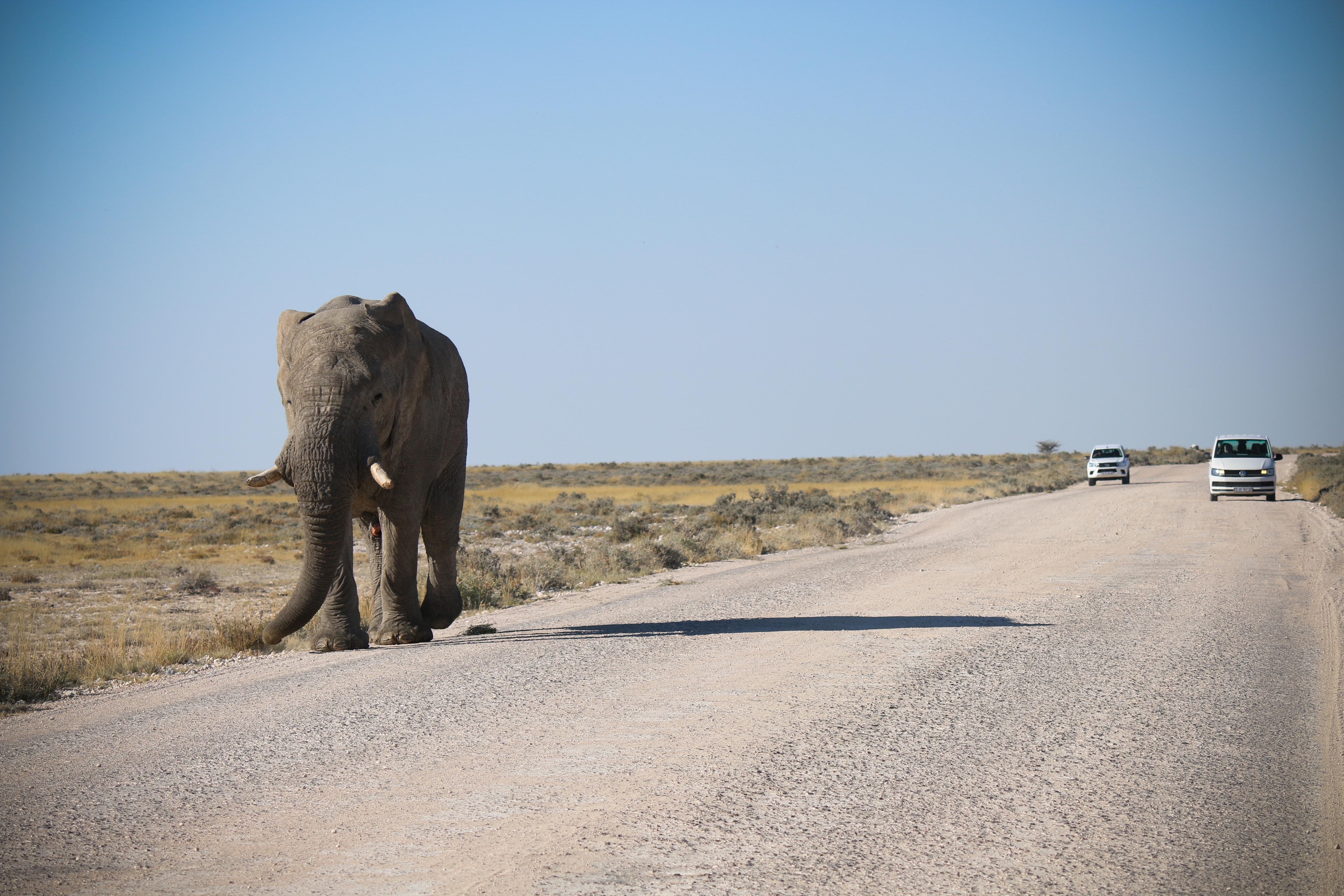
Some information about possible safaris that we did:
Northern Tanzania (Serengeti, Ngorongoro, Tarangire):
Perhaps the most beautiful reserves in the world. These specific reserves we did with a guide, but you can also do them on your own with your vehicle (if so, I recommend finding someone beforehand who can explain the booking and payment process to you). Tarangire is a relatively small reserve that mainly features elephants. People usually stop there because Serengeti and its surroundings are far from the main cities where safaris depart from, and you don't want to waste a whole day driving without seeing any animals at all. Ngorongoro is a huge reserve whose highlight is the crater. An amazing place full of animals. Highly worth visiting, both for the beauty of the place and for the animals. The Serengeti is a huge and special reserve where the "Great Migration" takes place—a migration of millions of wildebeest and zebras. You can see many animals of all kinds there. The reserve reaches all the way to the border with Kenya (the Mara River). Highly recommended to visit (guided or independently).
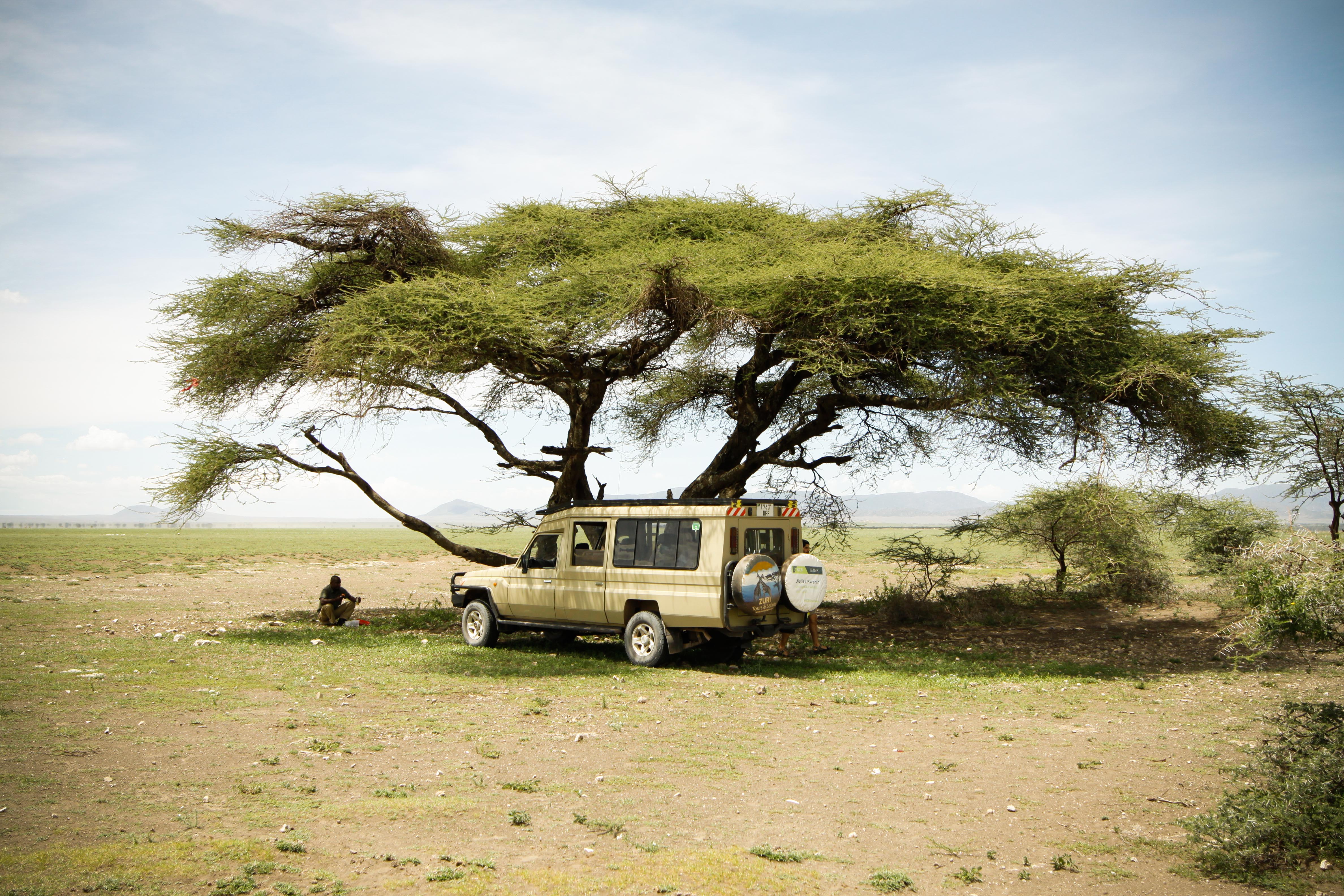
Chobe:
A large park in northern Botswana. An amazing park with all kinds of animals, and most amazing is the endless amount of elephants in it. The park is divided into several areas. Roughly divided: Forest Reserve, Savuti, Linyanti. In the first two areas, you can see a vast number of elephants, hippos, and other herbivores. Predators are harder to spot due to the dense vegetation. Savuti is a desert area and different from the other two. The roads are very sandy (4x4 required) and the areas are more open. Points of interest are the waterholes that attract tons of elephants and of course other animals. Here you can see more lions, cheetahs, and other predators.
Inside the park there are three main campsites (not including private lodges)—Ihaha, Savuti, Linyanti. The places are managed by SKL and you can book accommodation through the gate near Kasane.
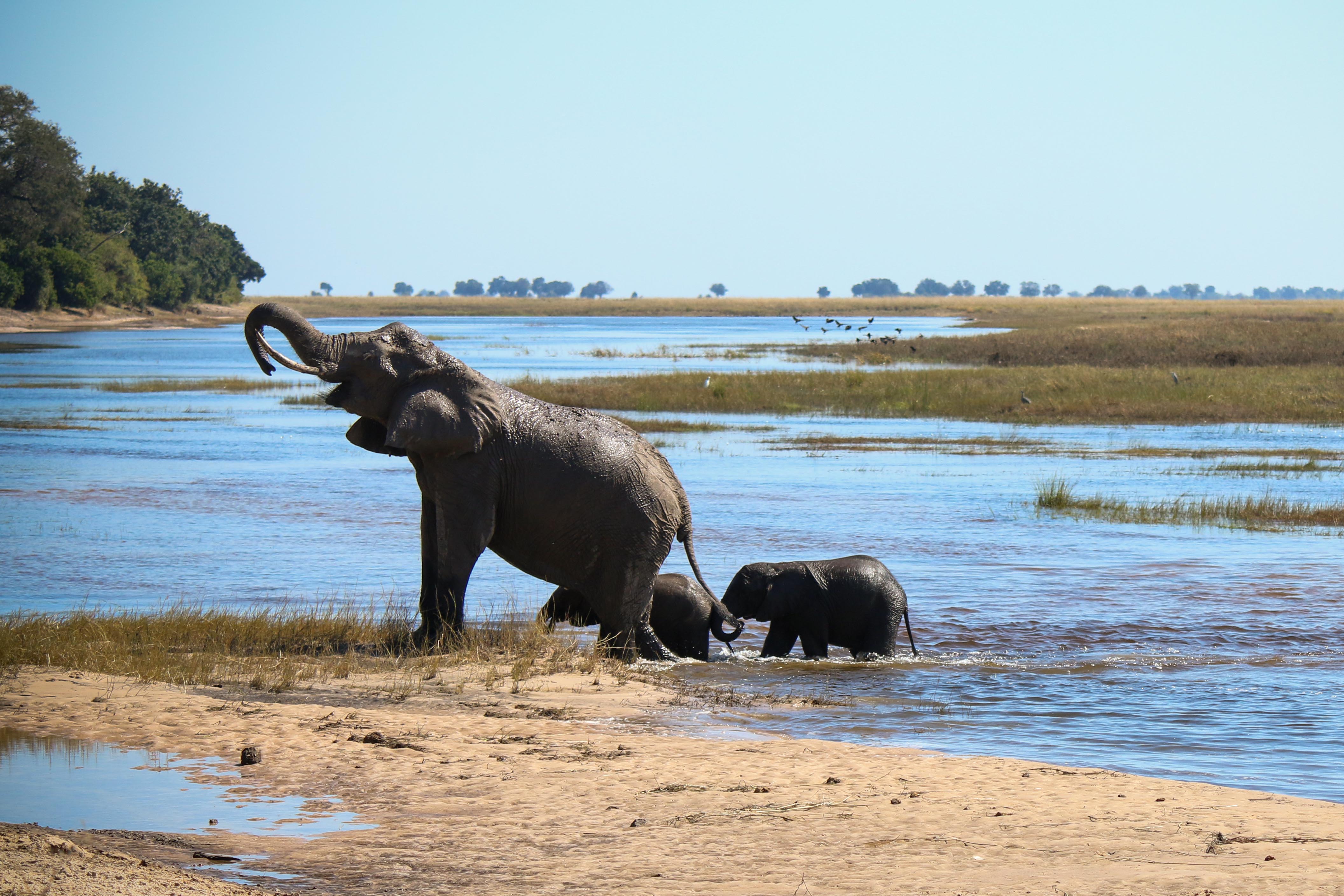
Moremi:
Another park, adjacent to Chobe and adjacent to the Okavango Delta. The park itself is not officially divided, but it has several areas: South gate, north gate, third bridge-xakanaxa. The North Gate is the gate connecting Moremi to Chobe, and the South Gate is the exit toward Maun. Third Bridge and Xakanaxa are the more western parts and closer to the delta. In all these places there are campsites whose offices are located in Maun (at the Botswana Department of Wildlife and National Parks offices). Moremi differs from Chobe in that the park is more flooded and full of water, so the vegetation is denser. Also, the animals are usually concentrated on one side of the reserve, so it's worth dedicating enough time to go through all the sections.
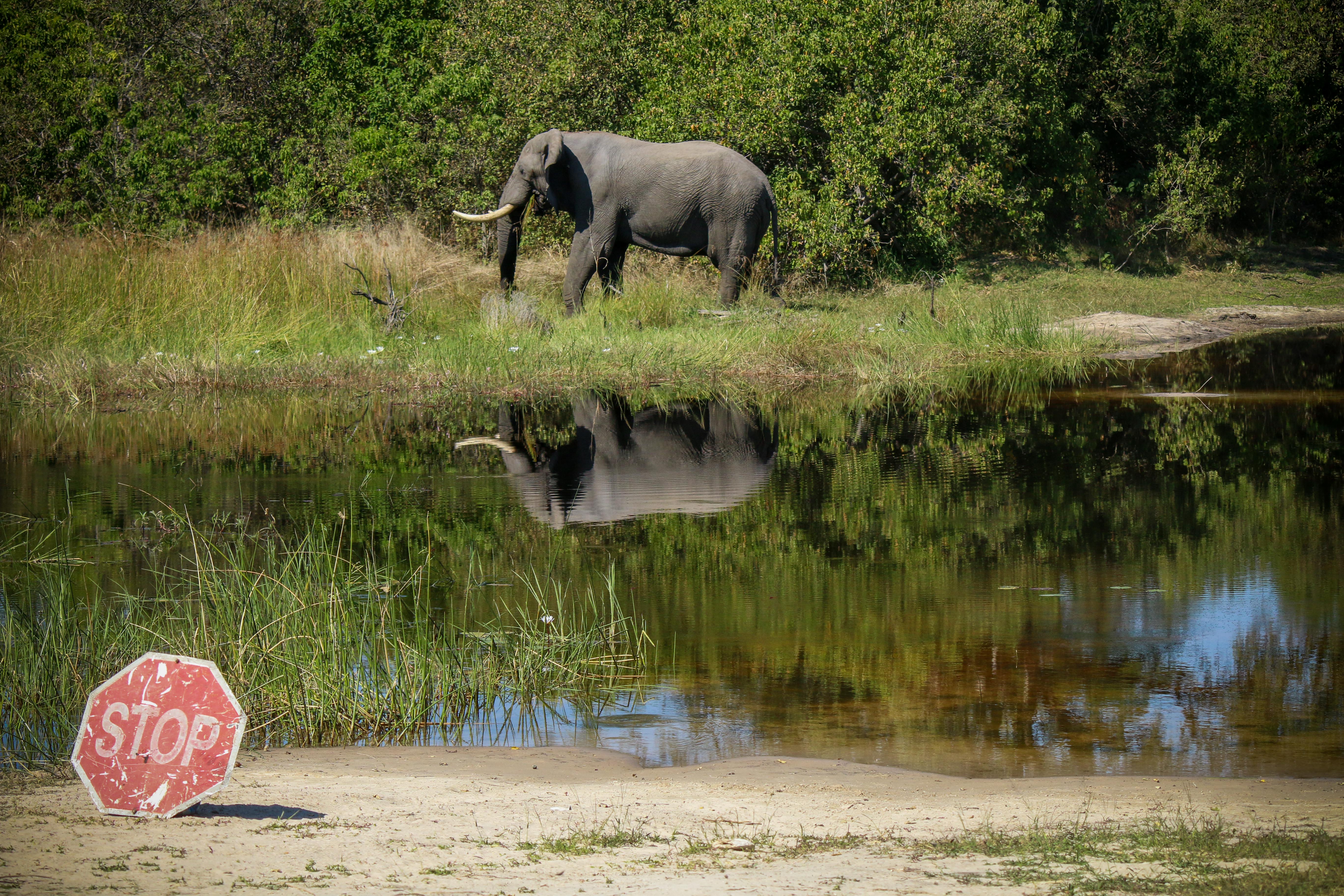
Chobe-Moremi:
If entering the reserves, it is advisable to combine both of them (enter at Maun and exit at Kasane, or vice versa). It is more convenient to book the campsites in Maun. You can use tour companies for this. Note that during peak season it is difficult to book accommodation inside the reserve at the last minute and it is advisable to book in advance. Keep in mind that entry costs 130 Pula per person per day, 30 Pula per day for a vehicle, and camping inside the reserve is $50 per day. If you were unable to find a place inside the reserve, you can also sleep outside the reserve, which is also cheaper of course. Note that even in these places animals still roam (including quite a few predators) and there are no fences.
Nxai Pan: A reserve in Botswana north of Makgadikgadi. A relatively small reserve where the main interest centers around waterholes. The reserve is very beautiful and also has a dry lake (which looks like a small salt desert) and next to it a group of giant baobab trees (Bains Baobabs). The campsites include a nice area with a campfire spot, and there is a toilet and shower block. There are several campsites in the reserve; it is best to stay at South Camp because it is closest to the waterholes and the interesting part of the reserve. It is worth combining the safari with Makgadikgadi Reserve, which is located on the other side of the road. Because there are no fences, the animals move from place to place and can concentrate in any of the reserves.
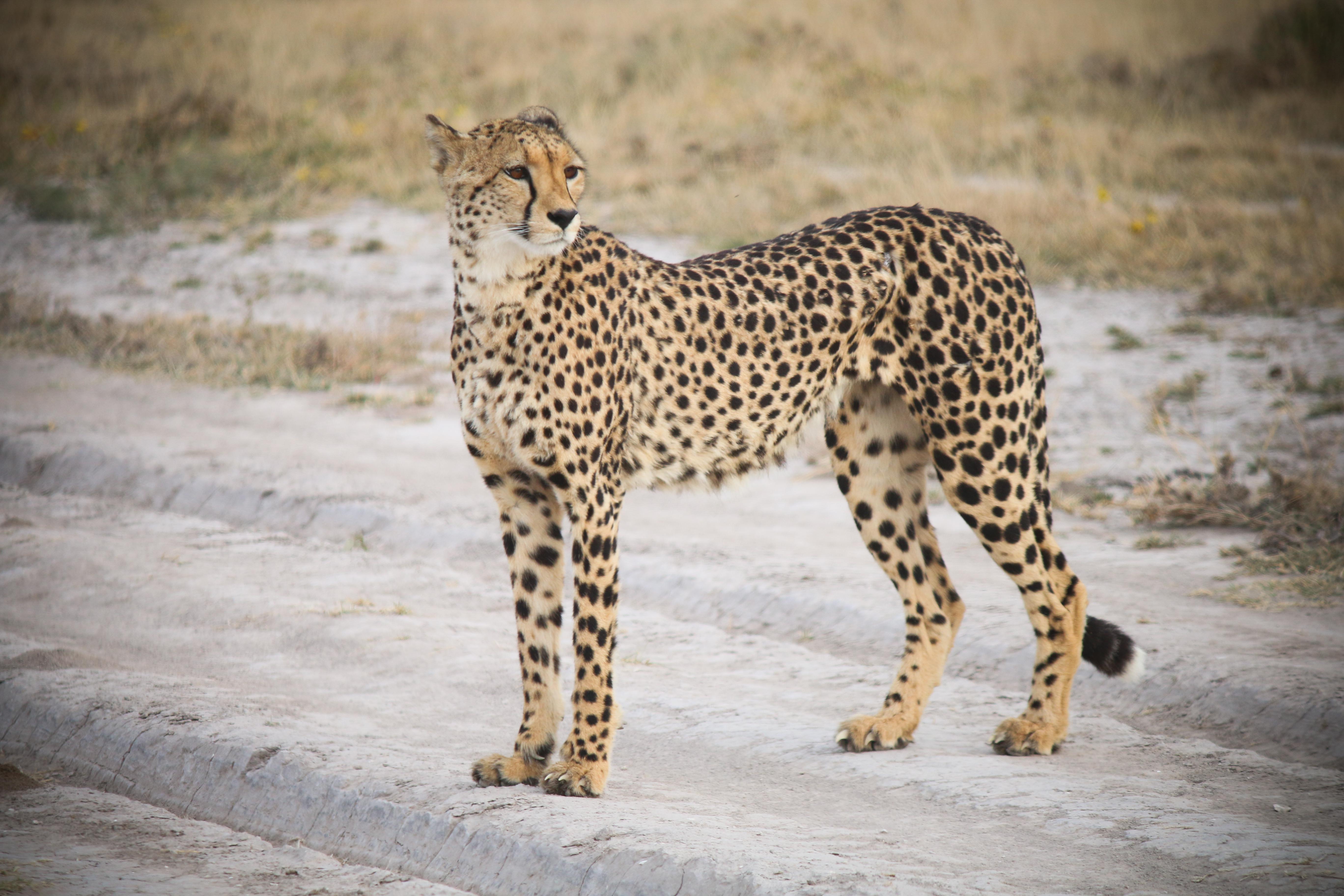
Central Kalahari: A huge reserve in central Botswana. An enormous and beautiful area of amazing desert. The Kalahari is almost the only place where you can see black-maned lions. Broadly speaking, the northern part of the reserve includes a route that loops around waterholes. There are also dry lakes, desert, and dunes. It is important to organize well before entering the reserve. The closest place to refuel if coming from the east is the town of Mopipi, and there are no shops that really allow you to stock up on food properly. Besides food, it is worth taking a lot of spare fuel because the vehicle works hard in the sand in the reserve, and will consume a lot of fuel. We only did one night in Deception Valley, but in retrospect we would have done at least 3-4 nights. The reserve is really powerful and beautiful.
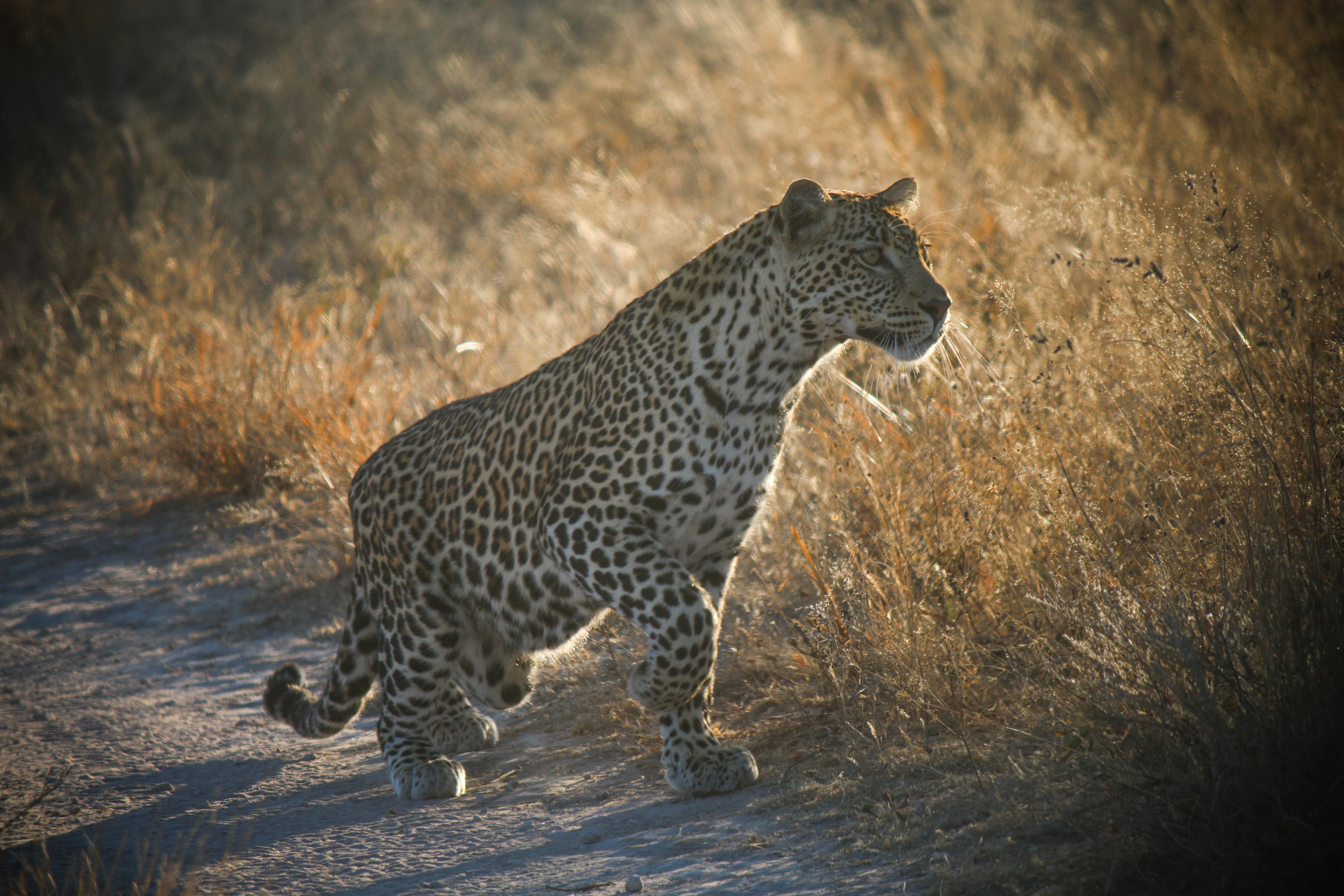
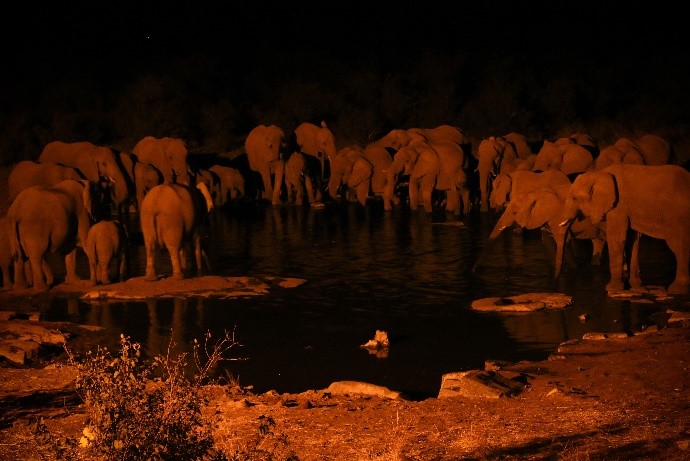
Etosha: THE park of Namibia. A large park located in the northern part of the country. This park is different from the parks in Botswana and is much more "user-friendly". It has gas stations, shops, and restaurants at the campsites. The park itself is very beautiful, but its special part is the waterholes located right next to the campsites, which can be viewed throughout the night from a fenced area inside the campsite. The trails in the park are also passable for a private car and are better and more maintained than the trails in the reserves in Botswana. The park is relatively full of people so you won't get the feeling of being "alone in the world" too much.
A few specific tips and notes regarding countries:
Tanzania:
The speed limit in Tanzania is 80 intercity and 50 in town/village. There are quite a few villages along the main roads, and driving (at the speed limit) averages out to 60-65 km per hour. Plan your days accordingly.
In Tanzania, there are many police officers with speed cameras who will look for you in the most annoying sections. Therefore it is important to stick to the speed limit. Also, do not overtake on a solid white line and obey traffic laws.
Fuel in Tanzania is cheap, and within the country it varies according to physical proximity to the center. The further away you get, the more expensive it gets. It costs between 2000-2200 Shilling per liter of petrol (March 17).
You can camp anywhere you choose, except for national parks and reserves. Up to your discretion regarding safety.
The main roads in Tanzania are good and there is no shortage of gas stations.
In Tanzania, third-party insurance and road toll payment are mandatory.
Need a garage? It's best to speak with one of the safari guides in Moshi/Arusha. They will know how to direct you to a good garage.
Malawi:
The speed limit in Malawi is 80 intercity and 50 in town/village. The country has one main central highway, and throughout the day there are many people on it, both on foot and on bicycles, and driving (at the speed limit) averages out to 60-65 km per hour.
There isn't much speed limit enforcement in Malawi and we hardly encountered speed cameras. Of course, the closer you get to major cities, the higher the chance of encountering them.
Fuel in Malawi is not cheap but not very expensive either. Around 800 Kwacha per liter of petrol and it is uniform throughout the country (April 17)
You can camp anywhere except parks and reserves, and in general there are many accommodation spots that support camping.
Along the roads there are many police checkpoints. Mostly they are intended to slow down traffic and won't ask you for anything.
In Malawi, third-party insurance (about 35,000 Kwacha) and a TIP (Temporary Import Permit, a document authorizing vehicle entry - 10,000 Kwacha) are mandatory. Note that all these documents (like the visa) are for one month. If you extend your stay, you must extend them as well.
Need a garage? It's better to look in Lilongwe or Blantyre (where you will also find official garages).
Zambia:
The speed limit is 100/120 intercity and 40-60 in town.
Contrary to what you will read in most guidebooks, most roads in Zambia are good and do not have a lot of potholes (as of 2017). The roads are maintained and you can drive on them comfortably.
Upon entering Zambia, you pay a road toll ($20) as part of the border crossing fees. Note that there are roads with toll booths that will ask for 20 Kwacha for the vehicle. If you paid at the border, you simply show the form and you don't have to pay.
Zambia is a huge country and everything in it is far away. Plan your route well regarding fuel.
Fuel in Zambia is relatively expensive compared to other countries and costs about 12.5 Kwacha per liter (May 17).
The people in Zambia, including the police officers, are very nice and care about leaving a good impression on tourists. Many times they will give you priority or let things slide to maintain this impression.
In Zambia, third-party insurance (about 160 Kwacha), Carbon tax (vehicle tax - varies according to engine capacity up to 275 Kwacha), road toll ($20), and sometimes another small thing depending on where you entered the country are mandatory. The TIP costs nothing and you will receive it after presenting all documents and payments.
In Zambia, it is mandatory to have two warning triangles in the vehicle, a fire extinguisher (for a large vehicle with a large fuel tank), and reflectors on the front (white) and back (red) on both sides of the vehicle.
Need a garage? Lusaka. Macfarlanes is a great garage that we used, not cheap but excellent and professional service. If not, maybe you can also find one in Livingstone.
Botswana:
The speed limit in Botswana is 120 intercity and 60 inside towns.
There are police officers with speed cameras on the roads, even if it seems like you are the only ones driving on that road, it is recommended to be careful.
At the entrance to Botswana, you will pay a road toll according to your vehicle type (around 160 Pula).
When you cross the border, you will be asked to declare what food you are holding in the vehicle. It is recommended to arrive without fruits and vegetables because they might be confiscated, and in general with as little "raw" food as possible. Does not apply to all borders, definitely applies when crossing from Zambia.
You can cross directly from Zambia to Botswana and vice versa by ferry with a vehicle. The process includes leaving the country and buying a ferry ticket (150-200 Pula/Kwacha). In 2018 they are supposed to finish building a bridge that will save this mess.
In Botswana there are lots of animals on the roads, and after the rainy season also quite a few potholes in the roads. Pay attention and don't drive fast.
It is highly recommended not to drive at night and not to camp near places that look to you like animal access to a water source..
Don't leave the car open and don't leave anything outside the car. There are lots of monkeys and various other friends who would be happy to feast on the bargains.
The salt pans area, the Okavango Delta, and Moremi are very flooded after the rainy season. Take this into account in your trip and if you are entering Moremi or planning a drive in Makgadikgadi, consult with the locals. Also, additional areas can be flooded up to a height of one meter (even parts of roads).
In Botswana there are many 4x4 vehicles and therefore also many good mechanics. It is always better to get a specific recommendation, but generally most garages are good and will know how to do a good job, especially in areas where there are many safari vehicles.
One night in a reserve is not enough. Try to do more than one if possible. Most reserves in Botswana are huge and you want as many opportunities as possible to be there in the morning/afternoon when the animals come out.
After the rainy season there will be quite a few potholes in the road, mainly in the northern part of Botswana.
If you cross from Botswana to Namibia via Mohembo, arrive at the border after exchanging all your Pula for Rand. There is nowhere to exchange there.
Need a garage? Maun/Kasane will be best. In Maun there is Delta 4*4 which is a great garage and the manager there (Louw) is a great guy and very helpful.
Fuel in Botswana is cheap, about 8 Pula per liter of petrol (June 17).
Namibia:
At the entrance to Namibia you will pay about 277 Rand for a vehicle permit (road toll). Come with cash.
The speed limit in Namibia is 120 intercity and 60 inside towns.
In general, the roads in Namibia are good. Most main roads are paved or good dirt roads. Roads marked with the letter D and below can be problematic and sometimes you can only drive 20-30 km/h on average.
Like in any country, but especially here, do good preparation. Know where you are going and what the place has to offer, and equip yourselves accordingly. (Example: the Purros area. An amazing area where you can easily take a good vehicle and drive off-road in the middle of nowhere. But, it is important to arrive with plenty of fuel in advance because fuel is not available there at all, as well as water and food).
Most people travel in Namibia with a vehicle, usually rented. Almost everywhere you go, even if you have a problem, there is a good chance someone with a vehicle will come by at some point.
Main dirt roads can look as if you can easily drive 120 on them, but note that it's easy to skid. Drive carefully.
Manual and automatic speed cameras exist in Namibia, mainly around central cities.
In Namibia there are overall good mechanics, and it's not complicated to get replacement parts.
Fuel in Namibia is relatively cheap, about 11 Namibian dollars per liter of petrol (July 17).
South Africa:
The speed limit is 60 inside cities and up to 120 intercity. There are road signs all the time.
The roads in South Africa are very good and mostly paved.
Speed cameras exist, as well as average speed cameras (calculates average speed for a specific section).
Mechanics are also available here and it has the largest abundance of spare vehicle parts on the continent.
The country is really big and you need to take into account the distances between places. On the other hand, there are many places to stop along the way.
There are many nice farms in the country. If you have a vehicle, it's worth stopping at various ones, usually there's also a small shop where you can buy things they produce.
Fuel in South Africa is not very cheap, about 13.5 Rand per liter of petrol (September 17).
Lesotho:
Sometimes it's a bit hard to find information about the country, but there's no need to worry regarding a vehicle. You can easily get by in it.
At the entrance to Lesotho, you pay a tax on the vehicle (30-60 Rand).
The speed limit is 80 intercity and 50 in villages and towns. Anyway, there's almost no possibility to drive faster because of road conditions (lots of twists, climbs, and descents).
The main roads in Lesotho are paved really well.
The most challenging entry is via Sani Pass (requires 4*4). If you passed that, you'll pass everything.
In general, if you divide Lesotho in half from northeast to southwest, the southeastern part is mountainous and the roads there (even if paved) take time due to the many climbs and descents. The northwestern part is flat and you can make faster progress.
It's advisable to obey the speed limits because the roads are really winding and there are many animals and people that can surprise you on the way.
Fuel is cheap (about 9 Rand/Maloti per liter, August 17) but not found everywhere. In main locations there is a chance to find it, but it's better to come with a full tank in advance and fill up whenever there's an opportunity (where the station looks reasonable).
Additional general things:
It is recommended to have a spare key for the vehicle.
In case you have boxes on the roof rack, it's worth locking them with a padlock. Pay attention to this when buying/loading a box. In general, it's advisable to lock everything that is not inside the vehicle (we also locked the spare wheel in the back).
Usually, Sundays are days off, meaning much more pedestrian traffic on the roads and less cars.
Although it's Africa, in winter it can be very cold at night. Make sure to take a good blanket with you in the car (can be easily bought in stores or markets).
Just because you have a vehicle doesn't mean you have to do everything self-drive. Sometimes, depending on road conditions and the type of attraction, it's worth taking a tour with a guide in a vehicle that is not yours.
A few small things worth paying attention to: tire air pressure (lower it when you are off-road, especially in sand. This will improve the vehicle's grip and reduce your chance of a flat tire), if you get stuck in sand - first of all stop and think and don't force it. Sometimes a bit of digging will help or moving back and forth a few times.
Never leave a vehicle open or unlocked. Even if you are sitting next to it. It has happened more than once that bags were stolen by people, or items were stolen by monkeys.
And in conclusion, we have no doubt that traveling in Africa with a car is the best way to experience this continent. We hope we managed to help you prepare for the most successful experience of your life. Enjoy! :)