



Lalibela
Third time Injera-Lalibela and Abuna Yosef trek
- Independent / backpacking
I dedicated a year to myself, traveling and exploring Ethiopia and Northeast India (the Seven Sisters). During the year, your tips and many others accompanied me in times of distress and when there was no source of information. With great appreciation, I also wanted to share a few things I learned myself. Enjoy reading.
Take a deep breath... this is long :) :
Two options to get there:
A bus ride of 7-9 hours. You can book a ticket at the Lemarger Hotel on College Street (not far from the synagogue), feel free to ask there.
If you booked your ticket from Israel to Ethiopia via Ethiopian Airlines, you get a significant discount on the ticket and it costs about 35 dollars if I'm not mistaken. You can pay on the spot by credit card or cash (any kind). A flight of about 25 minutes, which includes takeoff and landing without layover time, will bring you directly to Lalibela in the early morning hours.
A bit of information:
In the eyes of many, Lalibela, known for its rock-hewn churches, is one of the most beautiful places in Ethiopia. These are 11 churches in three complexes, located not far from each other. The churches are huge and carved right into the ground, and it is estimated that they were built in the 12th century. The most famous of them is the "St. George" church, whose roof is shaped like a cross. The churches are connected to each other by a network of passages and tunnels, and you can wander around there for hours. Please note - the churches are still in use today, and religious ceremonies are held in them during holidays.
Accommodation:
Alef Paradise!!!
A very pampering hotel, the owners speak Hebrew following a short stay in the Holy Land. A double room costs 150-250 Birr.
If you really feel like pampering yourselves in a beautiful room with an endless view, look for Top Twelve. At the time it cost me 400 Birr per room... feel free to inquire.
For those who want to rough it and save, I heard you can set up a tent outside a hotel named Red Rock.
The churches tour is a must for any visitor to Ethiopia. The entrance ticket comes to a price of 50 dollars, but it is worth every cent. I recommend hiring a guide, it really changes the experience and enriches the tour.
My guide was charming, speaks fluent English, and is exceptionally knowledgeable. His name is Zewdu 0913636414.
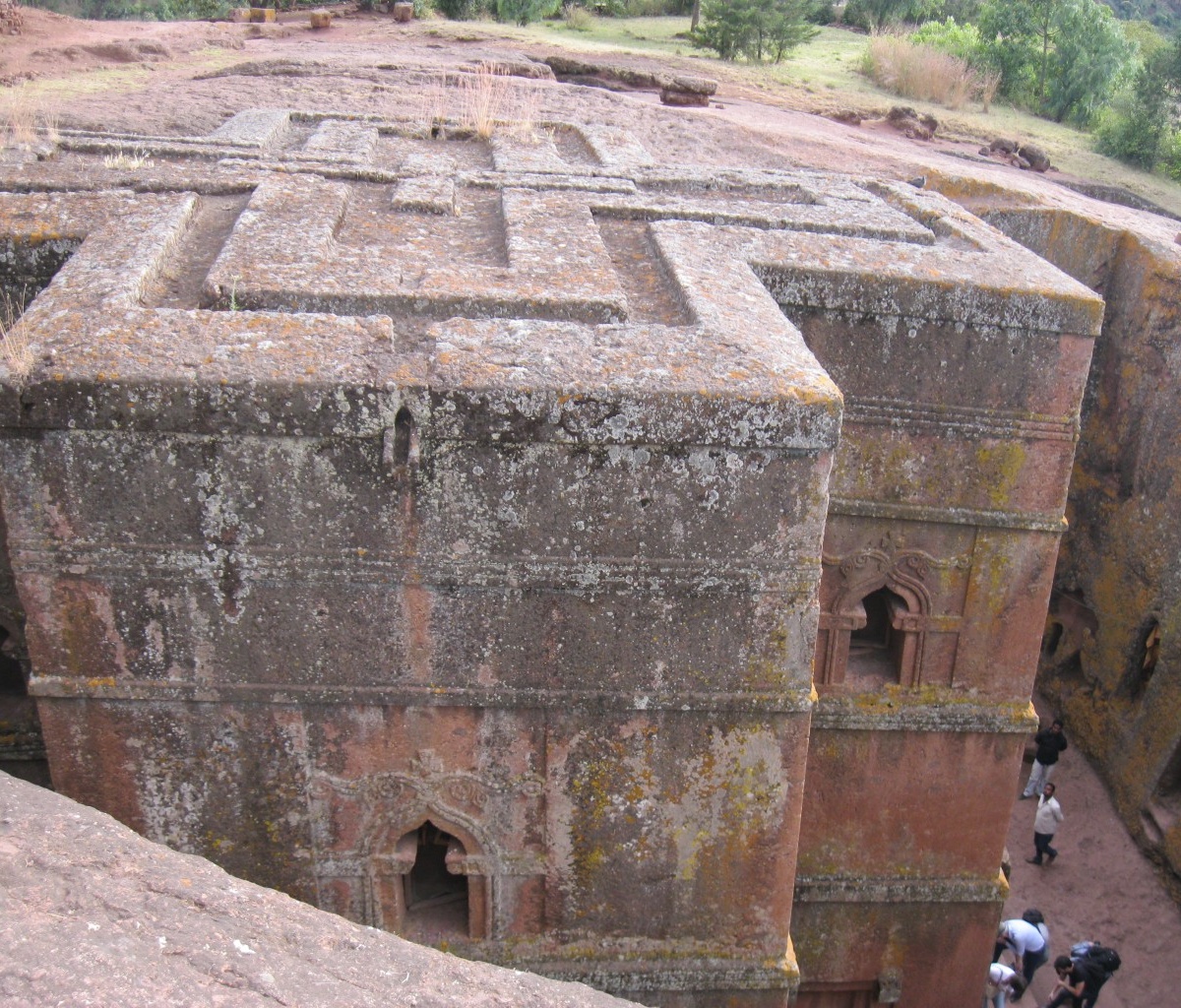
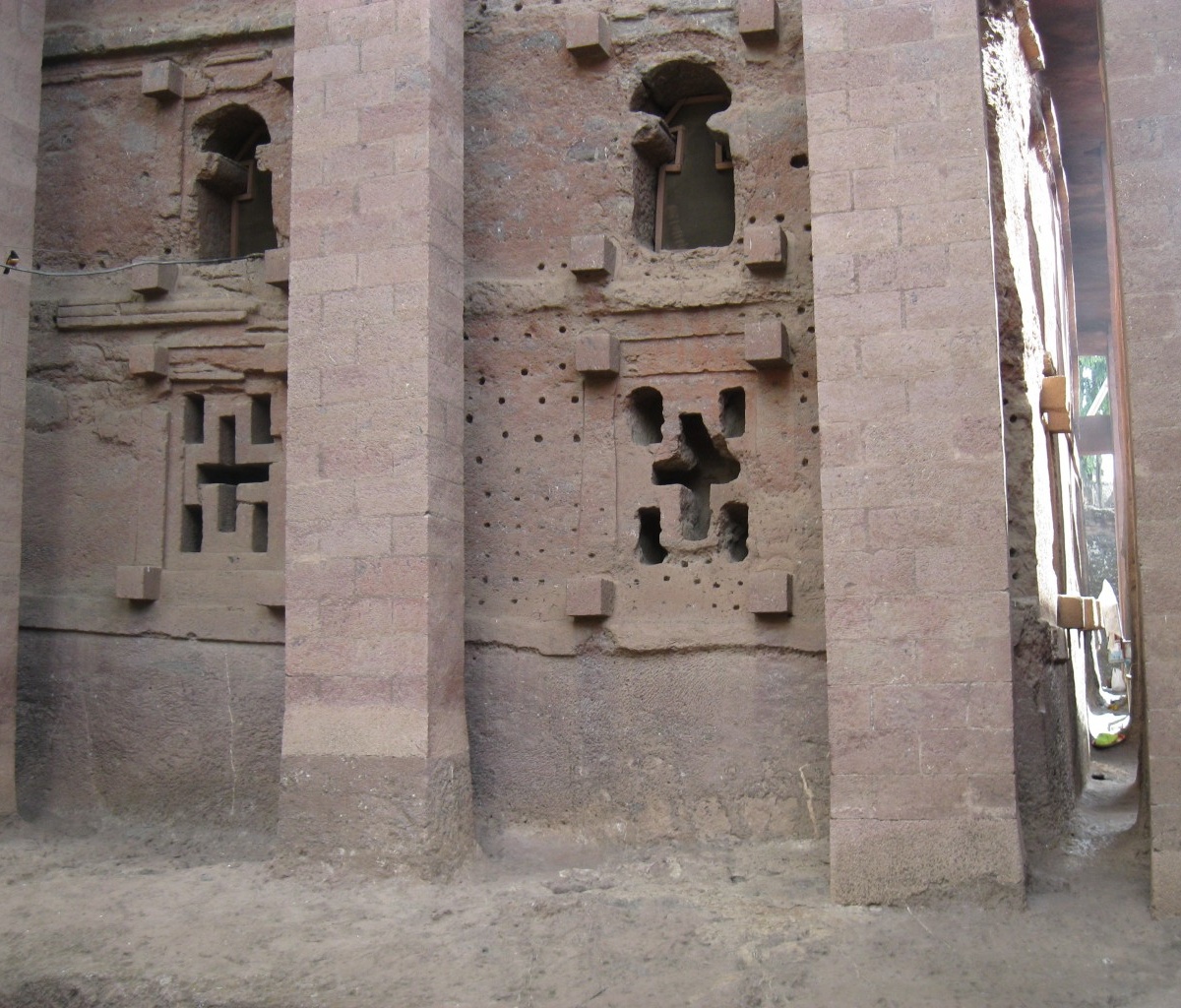
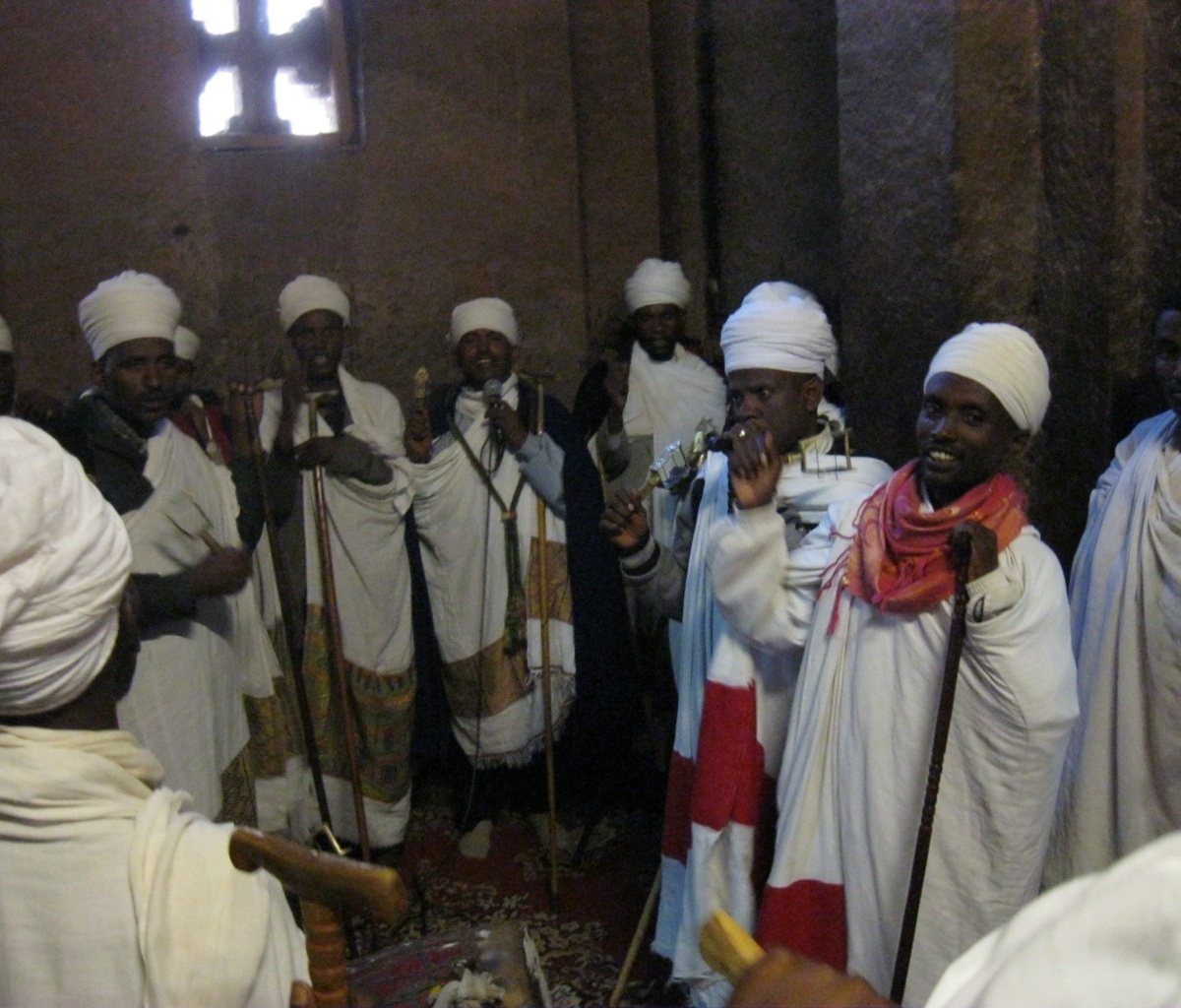
The ancient churches are still active.
Trek in Abuna Yosef –
So we were lucky and got a licensed guide (with a certificate) at a great price... but that doesn't usually happen. You have to choose whether to take a good, licensed guide – which is expensive, or take an unlicensed guide who compromises a lot on the price.
Zewdu (whose number I posted above) is a licensed guide, and the price corresponds.
Damena – 0920774790 guide without a certificate, I heard he is awesome and you can do the trek with him cheaply.
Note that you can:
Bring food and cook yourselves (take into account things that can be carried during the trail for lunch)
Take a cook with you throughout the trek who will pamper you with any type of food you want and do the shopping for you.
Eat at local homes (the cheaper option) – they prepare injera (not from teff - teff doesn't grow there and it has a different taste) with potato sauce (always). You can take local flatbread from them for lunches and bring peanut butter spread, honey, and avocado with you on the trek.
For the trek, you must bring a good sleeping bag! At night it's freezing and usually there are no blankets in the homes. A sleeping bag will prevent hypothermia, highly recommended.
Of course there is no shower, leave all hygiene products at the hotel, pack only clothes as warm as possible, a toothbrush, deodorant, and toilet paper!!!!
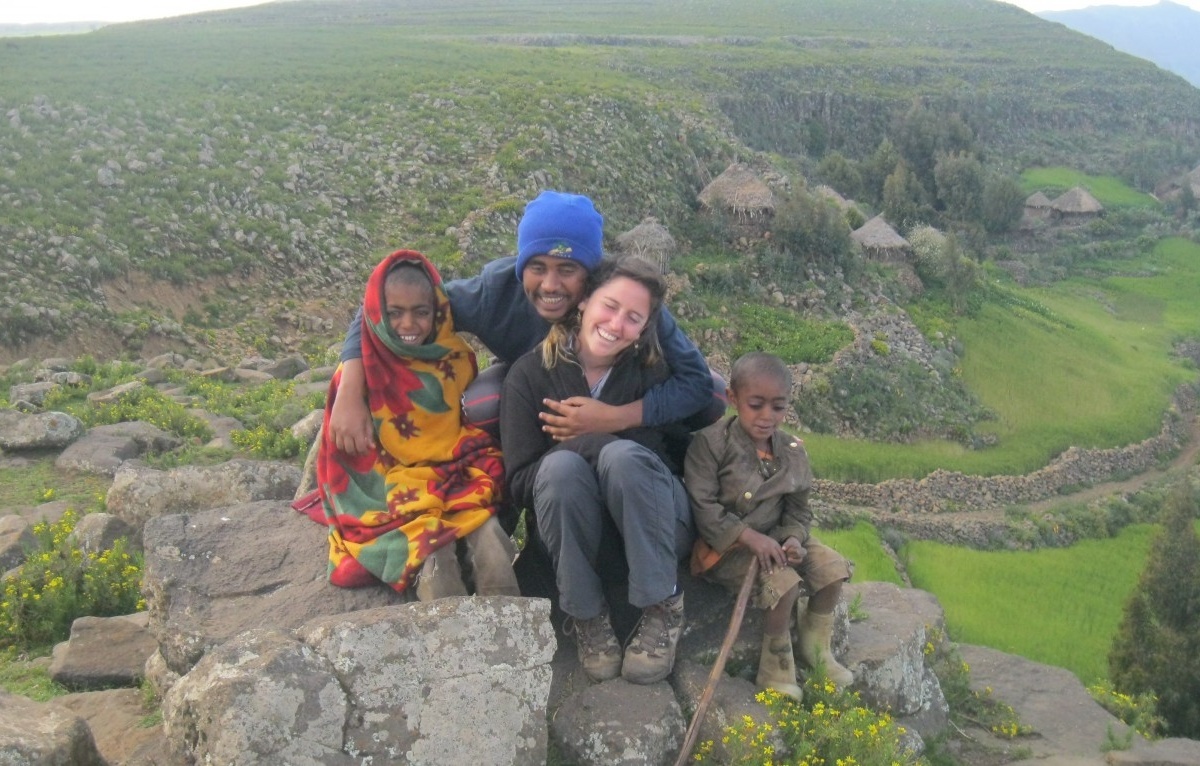
My experiences from the trek:
We set out on this magical trek from the city of Lalibela, ready and set with gear for the next 4 days. We met in the Piazza area with Zewdu, the champion guide, and Avi the donkey handler who arrived with a cute little donkey that turned out to be no novice trekker at all. We started ascending through the city as it slowly faded behind us. When the Ethiopians lead us, we always feel a bit behind, but alert and energetic we cross trails, skipping in rhythm and catching up to them.
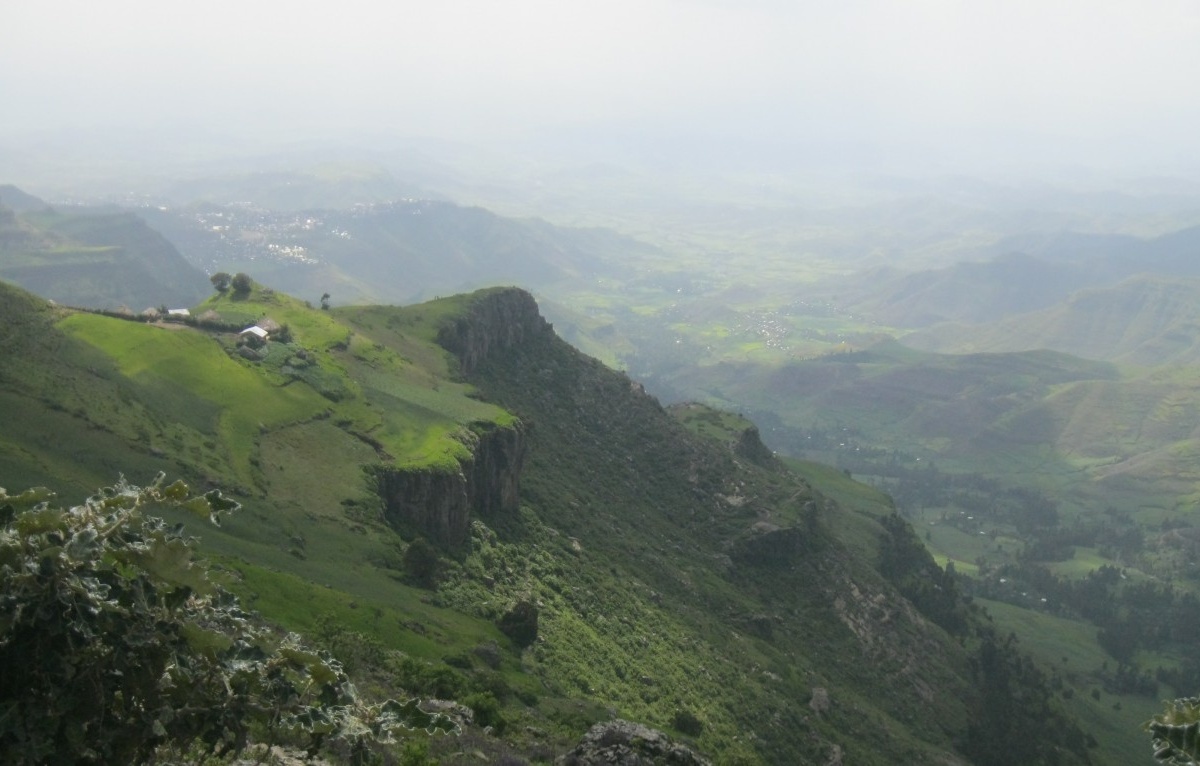
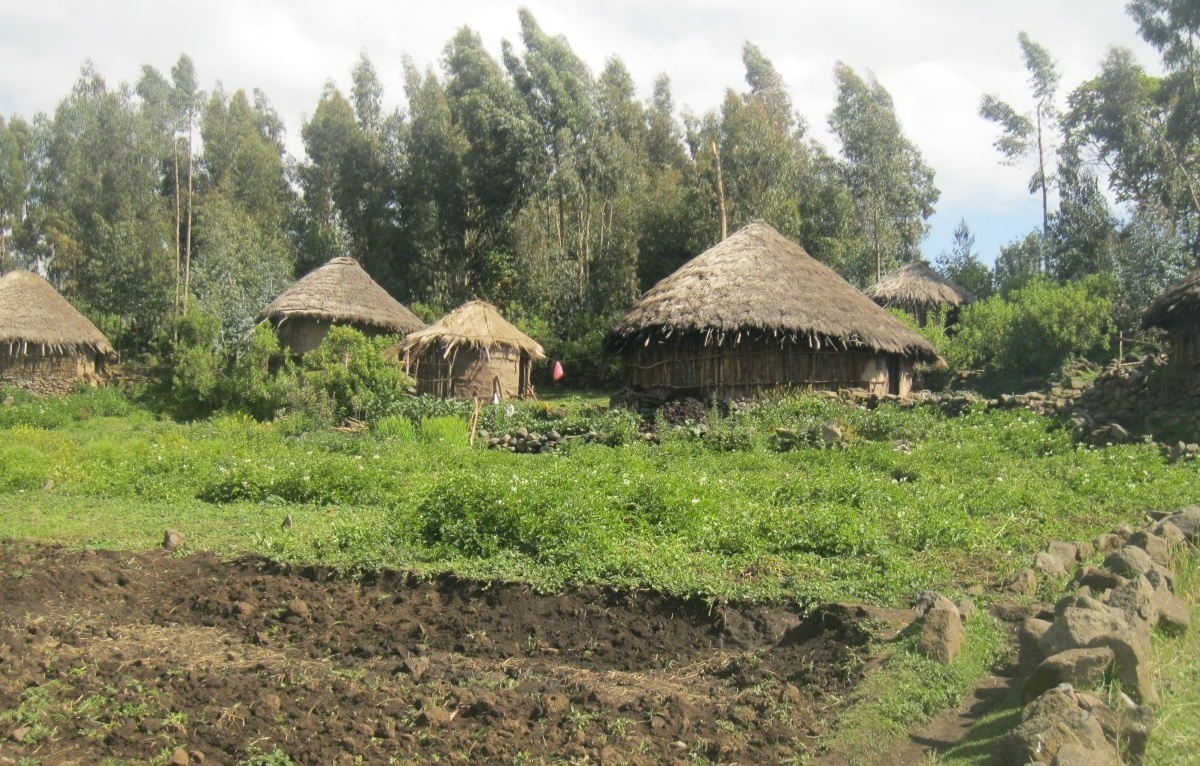
The first day is not easy at all, but when we stand on the cliff and breathe in the view, the battery recharges in an instant and we are ready again for the next climb. The climb along the entire way on the first day totals 6 hours (on our part). For a moment all the wild and crazy landscape, these dragon-like mountains, these greens, wave goodbye to us, see you tomorrow. And then we are swallowed into another landscape, flat, lawns upon lawns, round mud houses with thatched roofs, people returning from work, and children shouting "you, you, you, you, you, you" (you) and running toward us, sometimes for money or a pen, sometimes to satisfy curiosity.
While we walk among the quiet villages, silence, and I see it, the silence. Simplicity, how can it be described? We arrived at a small house that resembled all the rest, with a tiny agricultural field in front of the house growing potatoes, inviting us to walk where marked so as not to damage the crop and to enter the house. Two kiddos lead us – Yetenet and his brother. It's already chilly outside and we enter inside the house with the kiddos. In the center of the round house, a small fire was already burning with a small soot-covered pot above it. A woman dressed in rags and a faded scarf smiles at us with a heart of gold smile while stirring. We sit around the fire, as a small ginger cat sat inside the campfire to absorb some warmth, and I envy him. Behind us there is a sort of improvised fence that serves us as a backrest, though it isn't intended for that. Its purpose is to act as an enclosure for the animals so they are inside the house but don't penetrate into the... living room? Yes, the animals are inside the house, and they also spend their animal sleep there, in order to warm the house during the cold hours through their breathing, which really thawed things out a bit since they entered. I lounge on these dwarf chairs, leaning toward the fire and thinking about the day. Avi (the donkey driver) turns out to be the owner of the house who lives there with his wife and two children. I try to speak with him in my broken Amharic but am surprised that I don't understand a single word... it turns out that the accent in the villages is completely different from the Amharic accent in the cities, so different that I simply didn't understand a word.
We prepared pasta for dinner, drank buna and went to do "manakashkash" – a walk together with Zewdu the guide. Walking slowly, together with cute kiddos and finding a viewpoint to sit at and talk about philosophy with Zewdu. When we returned to our frozen state of matter, we rushed to the small fire to absorb a bit of heat, at least in our fingers.
We entered our cute mud room. On the muddy floor a thin blanket was spread, allowing us to lay our sleeping bags on top of it without getting dirty. Lovely Avi told us something in a heavy accent and treated us to two blankets so we wouldn't freeze from the cold. So we froze a little less. We said goodnight at 8 and turned off headlamps.
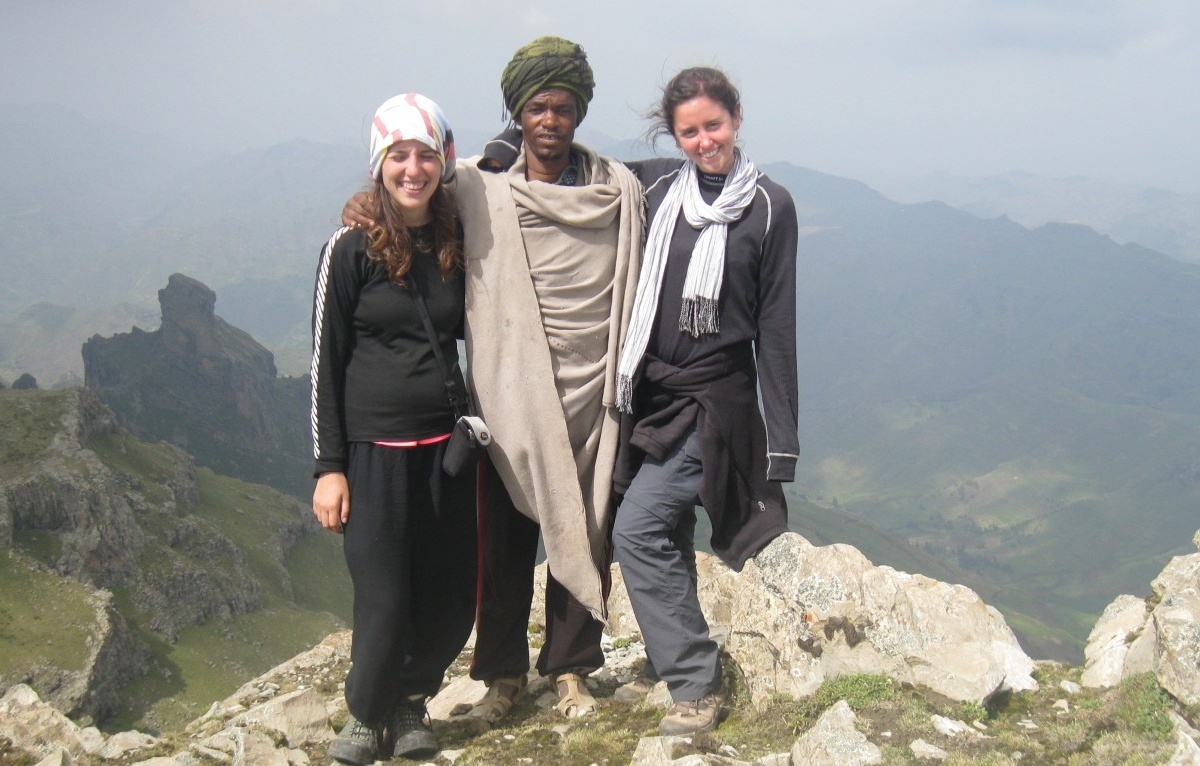
Good morning Abuna Yosef hills, and we start walking another day. A walk that was supposedly supposed to take about 8 hours and ended up totaling 13 and a half... walking along the village road, enjoying the fresh air and peace of mind, passing houses and greeting people with "Salamno" (hello) and "Dena derak" (how did you sleep). A not-so-short walk on relatively flat terrain and occasionally gentle ascents, until the first climb created by the devil, yes, I checked. The altitude is already affecting us, 3800 in one day of climbing, without altitude sickness pills and without acclimatization time... a deep breath of oxygen-poor air before the climb, and we start walking. A steep climb, skipping from Avi and Zewdu the guide, measured steps and shortness of breath on our side. Struggling through the difficulty, and a few tears along the way, we successfully reach an altitude of 4200. What fun. Breathing returns, the thin oxygen comes in and out. Now we'll eat lunch. Zewdu points from afar to the top of Abuna Yosef... wait wait... isn't this the top? Here? Excessive.
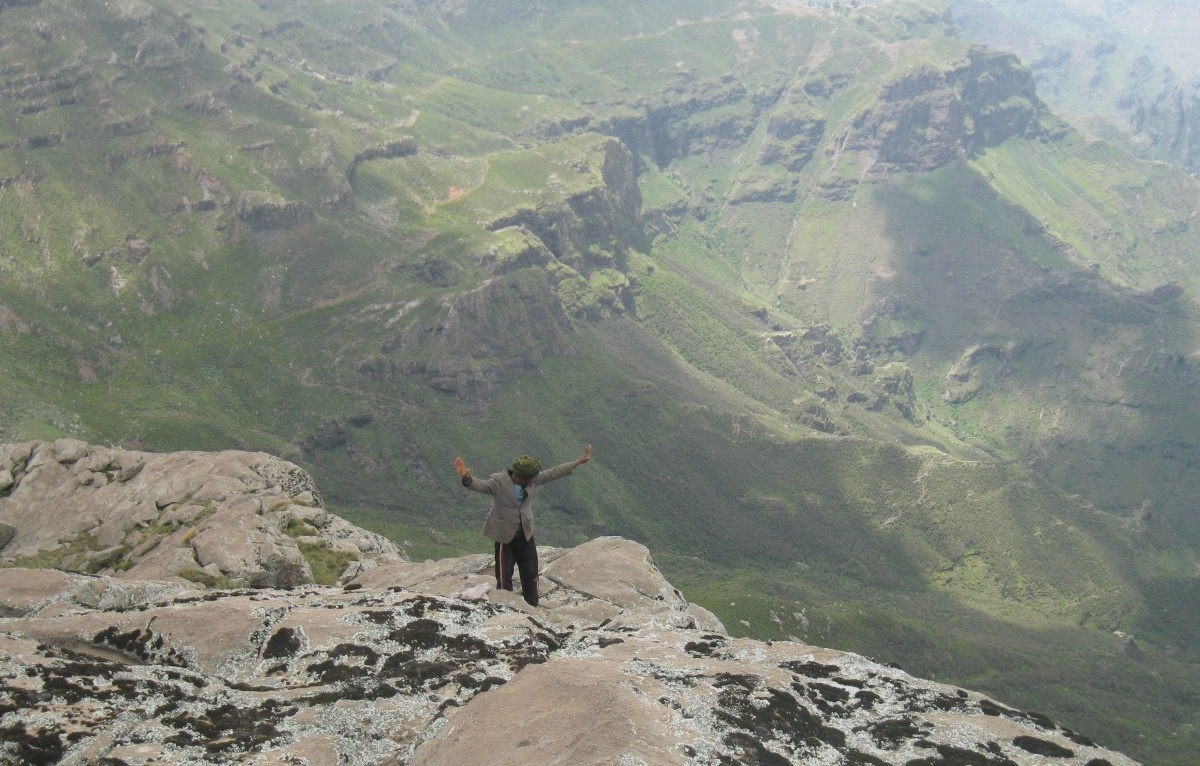
The path doesn't look short from this side of the mountain. A quick lunch fills us with grit, and Avi shouts to us "Ayzowachu!" (be strong). At least the calories do some chemical magic and spread energy throughout the body. We go out into battle. We passed a few baboons that greeted us, and then we reached the start of the climb. Another deep breath, even a few, and I am filled with motivation. I ran to Avi who saw the fire in my eyes, and we started roaring up the mountain. It took us another hour to reach the top, and to the top of the top you have to climb an L-shaped rock. I run up it with Avi and a sense of victory warms my stomach, and the wind signals to me that that's it, there is nowhere higher. The third highest mountain in Ethiopia. We wait patiently for Zewdu the guide and Inbali, and Avi starts singing village songs in an accent. Seated, we were present for a magical moment where all this amazing green stretches out at our feet, we are on the roof of the world. Birds float above all this, and we are right along with them. Avi hums local songs, we join in the shouting. Pure magic.
On the way back Zewdu shouts to us "Come right away!", I run to him, Inbal, completely exhausted, tries to move faster, I reach Zewdu who points far away. I've been in Ethiopia for 7 months now and I hadn't seen a Red Fox (the national animal). This time I see an orange family skipping across the meadow, and I say "How could this day get any better". But as we keep walking, and keep walking more, and walk on and on... it doesn't end. We walk, rain starts to fall. I know that in total that day we walked 13 and a half hours on foot, with excessive climbs and incurable altitude sickness (for now...). We're cold from the wetness of the rain, the wind, and tiredness, dying to reach the tiny campfire and sit where the cat was.
When we arrived we didn't really believe it, and the kiddos received us with merciful eyes. We sat down pale and trying to warm up. "Inbal, we made it!"
Just to sleep…
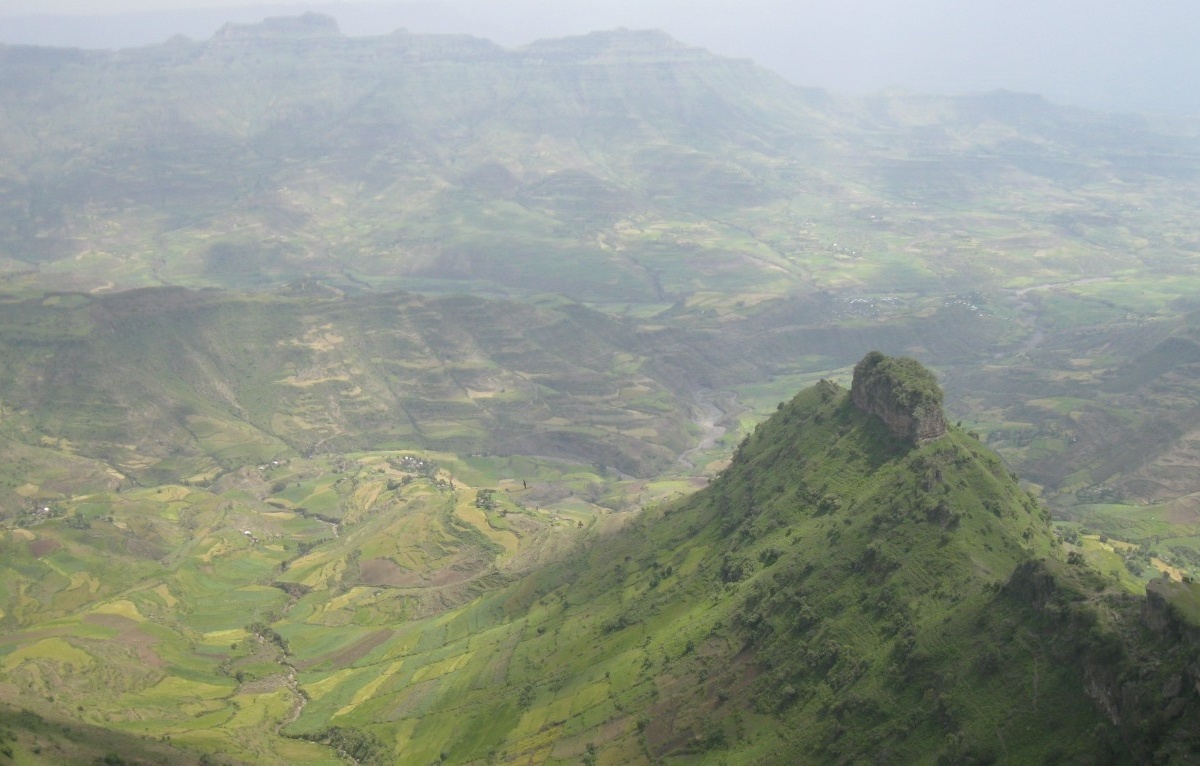
The day after we had a light walk (relatively speaking) that lasted about 6 hours more or less. Lucky, because I wasn't feeling well. The view as usual is amazing and we walk at ease. The sun smiles and then gets hidden by the clouds, and then smiles again. What fun to walk like this and simply enjoy every moment.
On our way a long procession passes by, and it seems like the whole village is migrating to an unknown place. Then Zewdu explained – someone from the village fell ill, and she needs to see a doctor. The only doctor on the mountain is located kilometers from the village and the poor woman has to walk all of it on foot. But not alone. When someone from the village is sick, the whole village comes with them to the doctor, everyone without exception.
Fascinated by the story, we continue walking until reaching the house where we will spend our last night in Abuna Yosef.
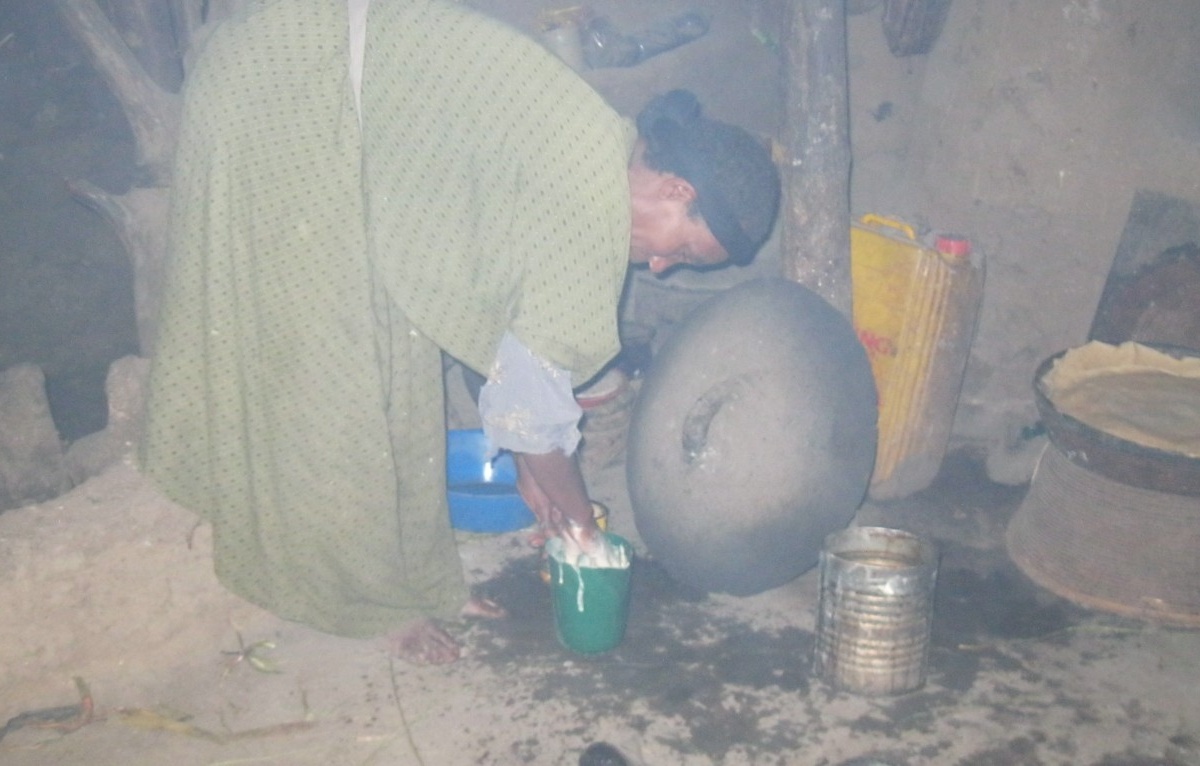
I am exhausted and my forehead is hot, lying on the floor in the mud house. Hot, sweet buna wakes me up and injects sugar into the cells that need it in the body. Inbal fell asleep, and I go to make injera. I must admit that it is very challenging, and there is a very clear rule to this circle poured onto the pan and turning into flatbread like magic. I think I succeeded, at least that's what they told me. We sat down, me, Zewdu the guide, Avi, and all the new family we just met, and tried again – to speak in Amharic...
One of the landlady's sons brings an ancient radio with him that picks up signals from somewhere in the mountain air, and plays us a lively Eskista song (the Ethiopian dance). We started dancing and rejoicing, drinking tella (the local beer – not tasty) that gladdens people's hearts.
A light dinner and straight to bed. Good night and last night in Abuna Yosef!
In the morning Inbali can't get out of bed. Maybe a virus or maybe food poisoning. Zewdu and I divide carrying Inbal's bag and start on our way. A bit sad to finish, but the road is still long and we will enjoy it to the end. Meeting people and kids along the way, and we try to explain to them, in Amharic without an accent, that it's not polite to ask for money, and that friendship is worth more. Broken Amharic, but they understand, and then we play games.
Halfway through there is an ascent, Inbali sits on the ground feeling like throwing up. Before 3 minutes had passed, an entire village was around us trying to help. An old woman in her 70s carrying wood on her back bends down toward Inbal and reaches out a hand to her. Another boy arrives with a stick and offers it to her to help, all the rest of the village invites us for homemade tea until she recovers. Inbal overcomes it and we continue walking, with boosts that will keep us going at least until the end of the trail.
We reached the city, right up to the Piazza... can't believe it's over. It was hard to say goodbye to Avi who gave us strength all along the way and was by our side for 4 full days. Zewdu who slept next to us. Everything comes to an end and we have to part ways. Taking a bajaj to Alef Paradise Hotel to take a hot shower and fall into a nap until the next morning.