


A Month in Africa
Authors' names: Nir Ida and Yarden Atzmon
- Independent / backpacking
- Overland / vehicle
Authors: Nir Ida and Yarden Atzmon
Africa - Summary!
In summary– It was an amazing, experiential trip, highly recommended!
Route– Namibia (car) – Botswana (car) – Zimbabwe (car) – Zambia (car) – Tanzania (flight from Zambia) – Zanzibar (flight from Arusha)
Trip duration– 33 days.
Introduction:
My girlfriend and I decided to embark on a trip to Africa.
We had a limited time of 33 days. Since we wanted to cover as much as possible, we needed to plan the trip thoroughly and down to the finest detail. Planning at this level costs more financially, but guarantees reaching more destinations.
General Information - Africa:
Phone - Local SIM– Can be purchased in every country at low prices
Money– It is recommended to bring USD from home; in some places you need to exchange to local currency, and in others you can pay with USD. Visa and MasterCard are accepted (not everywhere, so it's good to bring cash).
Car– Appendix C – Questions to ask when picking up a car.
Supplies - There are supermarkets in all major cities. Regarding travel gear, there is a large store chain in Namibia called CYMOT that has excellent travel equipment.
Visas– I will detail under each country.
Equipment list– Appendix D.
Navigation– Google Maps and Maps.me work excellently almost everywhere.
Namibia:
Route: Windhoek – Sesriem – Walvis Bay – Swakopmund – Damaraland – Epupa Falls – Opuwo – Etosha – Maun (Botswana)
General Information:
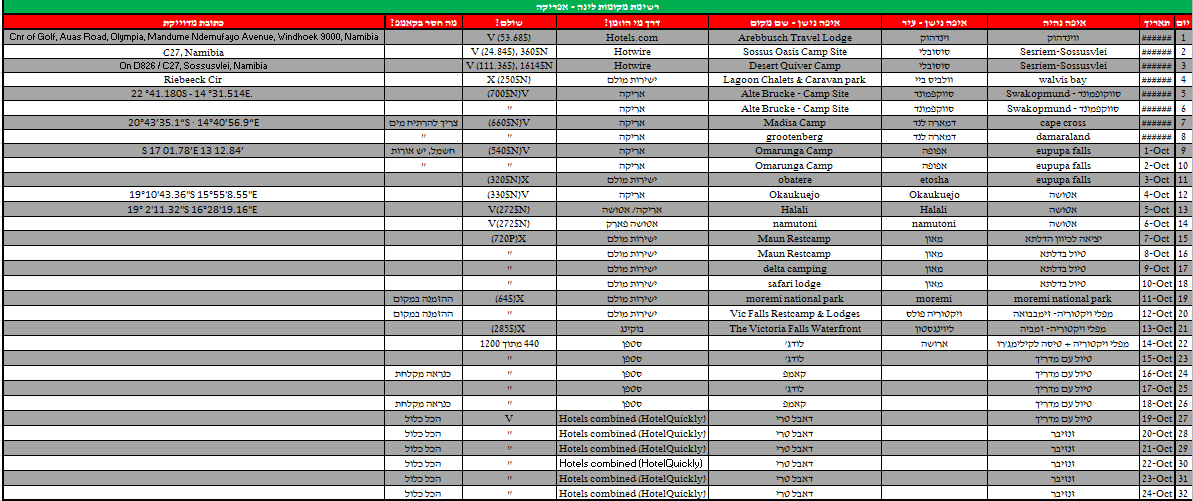
Accommodation - (attached in appendices) You can choose your type of accommodation; we chose campsites with a rooftop tent on the vehicle (renting vehicles dedicated for this). Most campsites are well-arranged, with toilets, hot showers, electricity, lighting, and a place to wash dishes (make sure to verify what the campsite provides before booking). We booked most accommodations through an agent named Erika (excellent!!), Erika's email - erikag@namibian.org.
Currency - NAD – approx. 3 NAD = 1 NIS. Credit cards are accepted in Namibia (Visa and MasterCard). In terms of cash, South African Rand and NAD are accepted; standard USD will only be accepted at exchange offices (CHANGE).
Navigation - There is cell service in most areas of Namibia; Google Maps works great.
Visa - We did it at home through a woman named Jill (you can search Google for a visa to Namibia and arrange an appointment with her).
Roads - Most roads in the country are dirt roads, so it is recommended to rent a strong, durable vehicle, highly recommended 4x4.
Information on the route:
Windhoek - Capital of Namibia, located in the center of the country and serves as a good starting point for visitors. There are no special attractions in Windhoek. From there, people usually rent a car, stock up for the trip, buy a local SIM card, and exchange money.
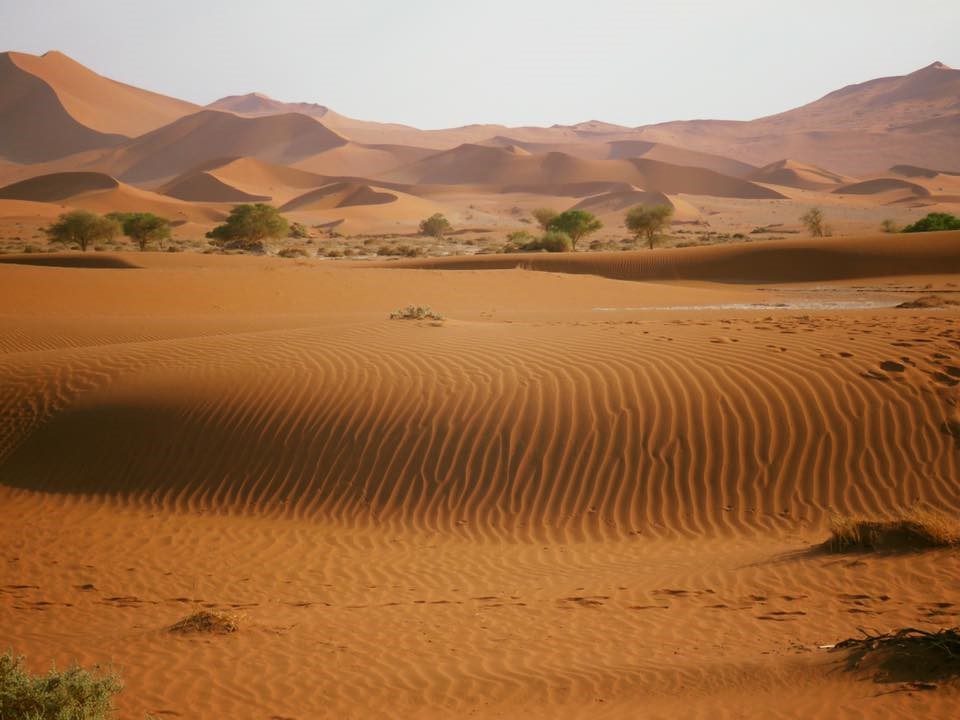
Sossusvlei - The largest red dunes in the world. A cool area with lots of huge red dunes. The largest dune is called "Big Daddy" and can be climbed on foot. Below "Big Daddy" is the "Deadvlei" (Dead Valley), a valley where millions of years ago there was seawater and today there is only a layer of white sand (looks like salt) and dead tree trunks. The combination of the red dunes with this "white sand" creates an incredible view. It is highly recommended to stay inside the reserve itself; this is the only option to enter the reserve at sunrise. If you choose to sleep outside the reserve, you will be forced to enter only at 7:00 AM and miss the sunrise on site.
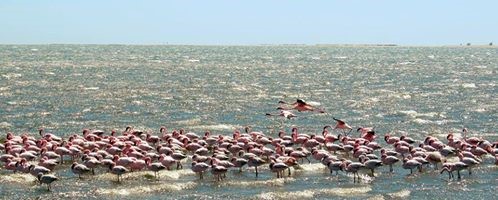
Walvis Bay - A nice town, currently under development, traveler-friendly. In Walvis Bay, there is a nice promenade where you can see an enormous number of flamingos. Additionally, on the promenade, there are several pubs and restaurants with a nice atmosphere; we were lucky enough to see a pod of dolphins from the restaurant where we sat (The Raft). In Walvis Bay, there is a cool kayaking with seals activity; recommended guide – Craig – +264812296307. Email – namyak@africaonline.com.na.
Swakopmund – A very nice coastal town to relax. Considered the extreme sports capital - skydiving, ATVs, sandboarding, etc. In town, there is a German pub where they brew their own beer, a great place with excellent food and beer.
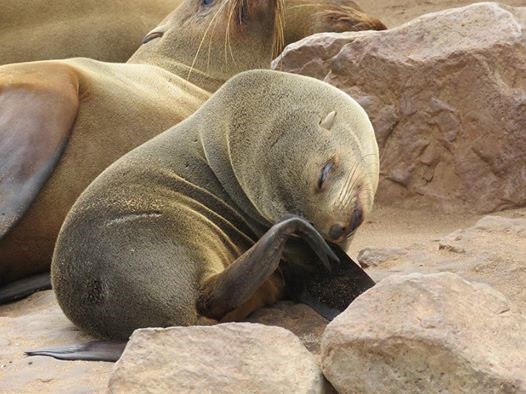
Cape Cross (Cape Cross Seal Reserve) - Home to tens of thousands of seals (Cape fur seals) that arrived there due to the abundant fish coming from the ocean to the coastal area. There are thousands of individuals there and it's nice to see the area (there's nothing to do there for more than an hour).
Damaraland - A very arid region where you can see ancient Bushmen rock paintings, Black Mountain, and the Damara tribe. In Damaraland, we stayed at a place called Grootberg, which consists of very luxurious cabins on a high mountain overlooking a valley with an infinity pool at the edge of the cliff. Luckily, we managed to get a guide room at a reasonable price (detailed in Appendix B).
Epupa Falls - On the border with Angola, in the middle of the desert, there is suddenly a green patch with palm trees and a nice river with small waterfalls, a very nice area to relax and enjoy the view. It is not possible to enter the river water due to crocodiles in the area. From this area, you can go on tours of the Himba tribes.
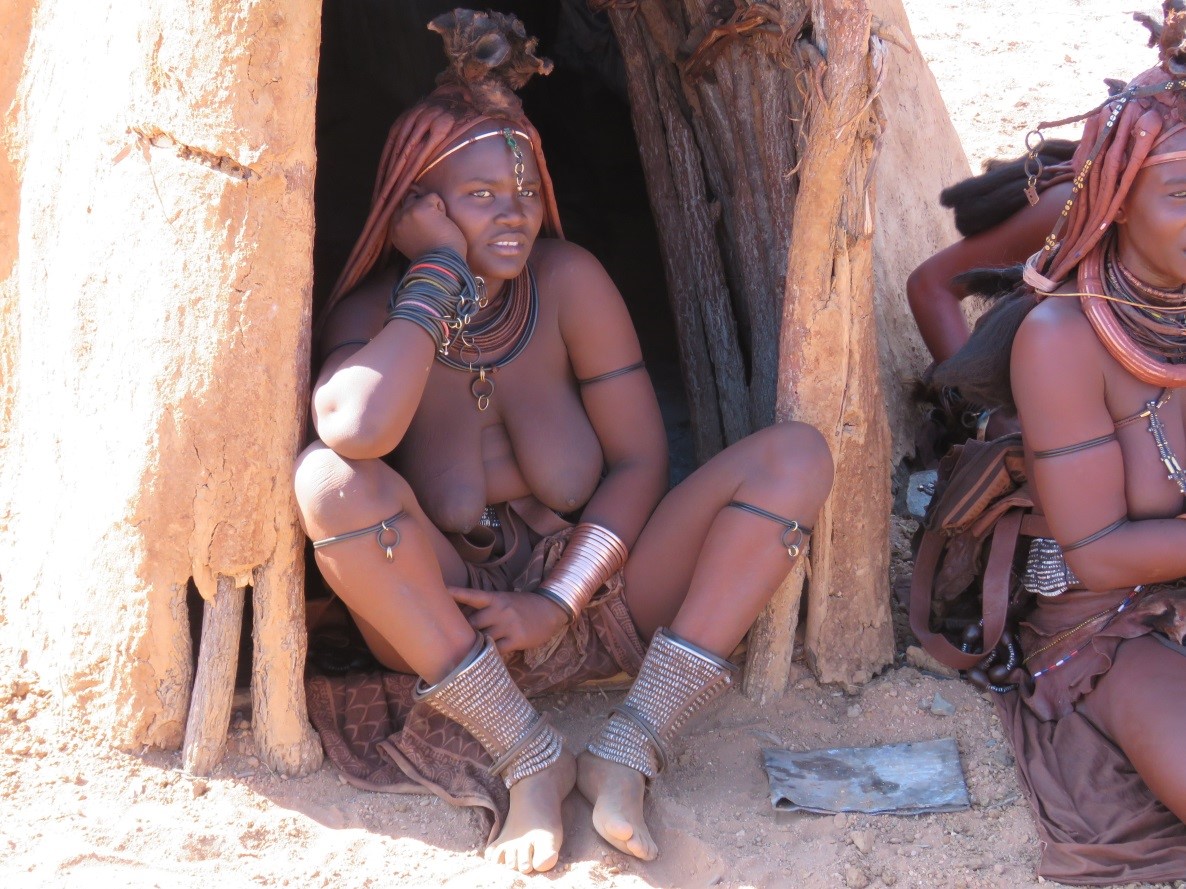
Opuwo - A very poor and not so pleasant town. However, it is the largest town in the area and the only place to resupply and refuel before Epupa Falls or on the way to Etosha. I do not recommend staying overnight in this town.
Etosha Park:
The largest park in Namibia, a park where the trails are quite organized, and the same goes for the accommodation sites.
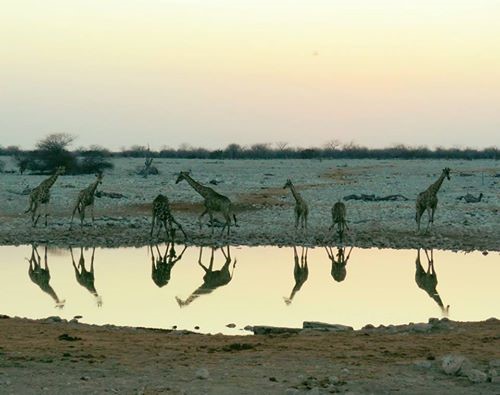
In the park, there are 5 accommodation sites, each equipped with a camping area, room area, swimming pool, restaurant, pub, and most importantly – an area to sit in the evening by a waterhole and enjoy the animals coming to drink during dark hours.
The park consists of a main trail from which small trails lead to waterholes, where most of the animals gather during hot summer days.
At the entrance to the park, you get an organized map and the park is well-signposted – very easy to navigate.
Accommodation must be booked in advance!
Botswana:
General Information:
Capital city - Gaborone – Capital and largest city in the country. It is located on the banks of the Notwane River in the southeast, near the border with South Africa. An international airport is located near the city.
Currency - Botswana Pula, 11 Pula = 1 USD.
Time zone - 1 hour behind Israel.
Visa - Israeli citizens visiting Botswana are required to obtain an entry visa prior to arrival. Make sure to arrive in Botswana with a visa appropriate for the purpose of the visit (tourism, work, etc.). To obtain a visa, contact the Botswana Embassy in Pretoria – South Africa. The passport must be valid for at least six months, along with proof of financial self-sufficiency. Do not stay without extending the visa, and keep in mind that the visa extension process takes a long time.
Tourist sites and attractions (that we did):
Okavango Delta - The delta is very special. It is the confluence of 3 large rivers flowing into the Kalahari Desert instead of flowing into the sea. The flow of these rivers causes flooding in the area, creating a large marsh known as the Okavango Delta. The main town in the delta region from which to depart for activities in the delta is Maun. The delta is visually impressive, and there are several main activities worth doing:
Flight over the Delta - A unique experience seeing the delta from above. It is a very small plane (up to 5-6 passengers), a 45-60 min flight. The way to lower costs on these flights is to form a group of 4-6 people and do market research around the airport in Maun, where many companies operate these flights.
Mokoro cruise - A mokoro is a narrow boat where a guide can transport up to two tourists. The mokoro trip is propelled using a long pole pushed against the riverbed. During the ride, you see lots of vegetation and aquatic wildlife like hippos and maybe even crocodiles from a very close distance. You can take a 1-day trip or a multi-day trip. We decided to take a 2-day trip; the night in the delta area was a unique experience where we saw many local guides singing and dancing around the campfire. Additionally, if you choose to spend the night, you do walking safaris in the delta where you can see giraffes, zebras, wildebeest, etc.
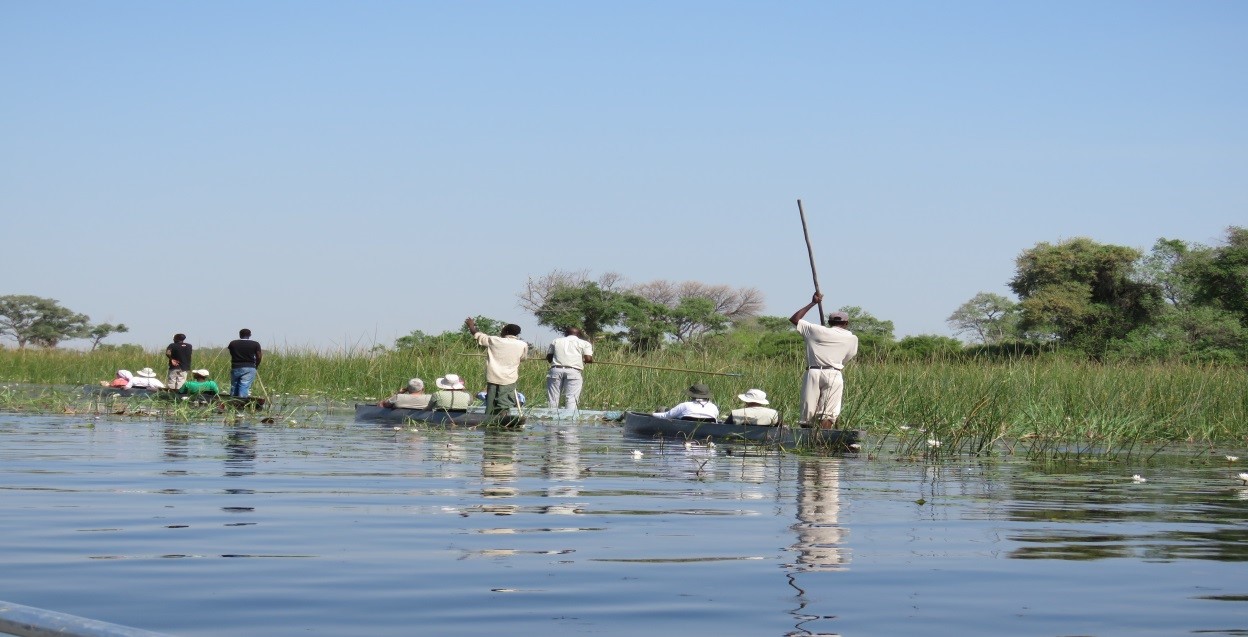
Moremi - On the mokoro trip, they promised us we would reach Moremi with the mokoro, but after setting off, we realized this was impossible because Moremi is too far away and you need to travel through Moremi in a 4x4 vehicle. From Botswana (Maun) we planned to drive to Victoria Falls in Zimbabwe; there are 2 ways to get there – via a paved road or through the Moremi and Chobe reserves (a tough 4x4 track). Since we wanted to visit Moremi, we decided to take the tougher route and spend a night in Moremi.
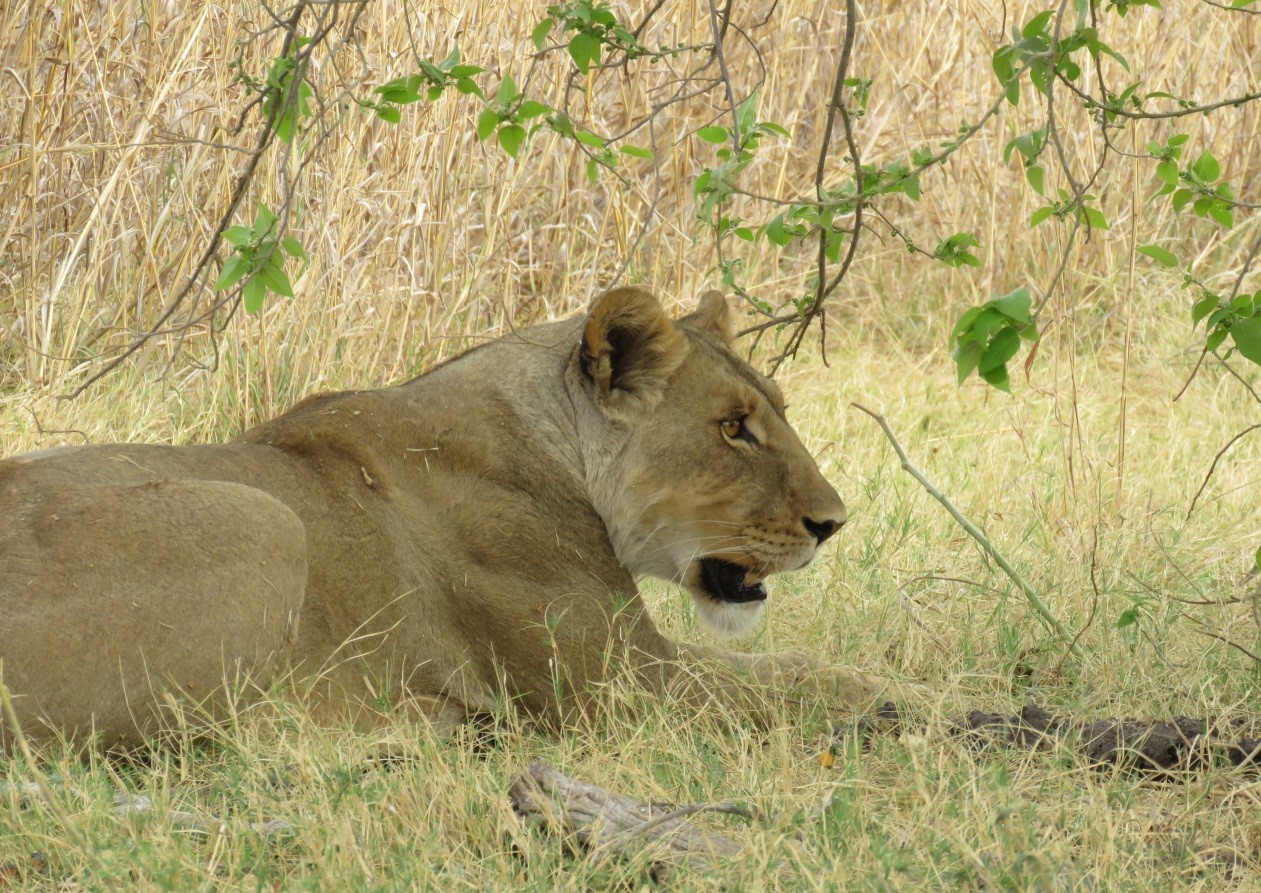
Moremi is a unique, very wild reserve with lots of animals. Also, unlike Namibia, driving in the reserve is very difficult. The trails and maps are not organized or clear. Campsites are very basic (despite their high price of $100 per night) and undefined; during the night, a hyena approached us and got within a meter and a half before we noticed it. Despite all this, I must admit Moremi was one of the most beautiful reserves we visited. On a short tour, we spotted a huge variety of animals, and the scenery of the reserve is stunning. I wouldn't recommend skipping a tour of this reserve, but keep in mind what was said about the roads, maps, etc.
Chobe - We only passed through this reserve on the way to Zimbabwe. I must admit the tracks in the reserve are very difficult (deep sand) and honestly, in 4 hours there we saw almost nothing.
Zimbabwe (Victoria Falls):
General Information:
Capital city - Harare.
Currency - US Dollar.
Time zone - Same as Israel.
Visa - Israelis require a visa (around $50 per person). Note that if you want to enter the country with a vehicle, you must pay a vehicle fee. Additionally, you need to purchase local insurance (for at least 30 days), so bringing a car into the country costs $105 (just for the vehicle!!).
Tourist sites and attractions (that we did):
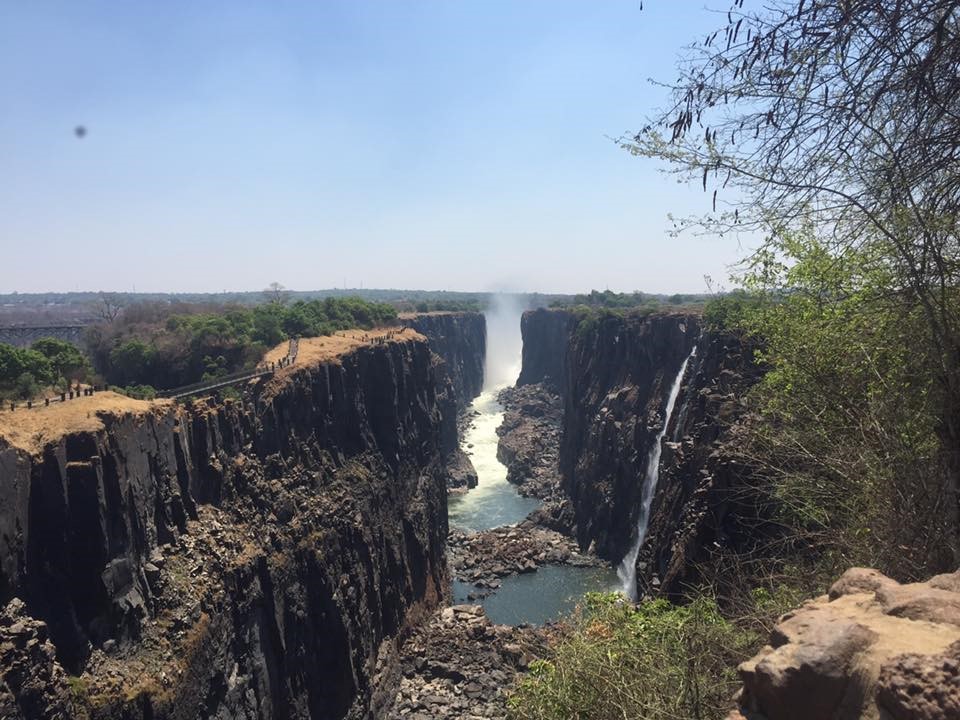
Victoria Falls - The tallest waterfalls in the world. Very impressive and beautiful falls, though there is a big difference depending on the season of your visit. The difference in water flow between the wet and dry seasons is huge. We stayed in a town called Victoria Falls adjacent to the falls. The falls serve as a border between Zimbabwe and Zambia. Entrance to the reserve costs $30 per person. Inside the reserve, you do a walking tour of about two hours.
Around the falls, you can do additional attractions such as helicopter flights, ziplining, etc.
Zambia (Victoria Falls):
General Information:
Capital city - Lusaka.
Currency - Zambian Kwacha (ZMW/ZNK).
Time zone - Same as Israel.
Visa - Israelis require a visa.
Tourist sites and attractions (that we did):
Victoria Falls - The tallest waterfalls in the world. Very impressive and beautiful falls, though there is a big difference depending on the season of your visit. The difference in water flow between the wet and dry seasons is huge. We stayed in a town called Livingstone adjacent to the falls. The falls serve as a border between Zimbabwe and Zambia. Entrance to the reserve costs $20 per person.
Attractions - In the dry season you can enter "Devil's Pool", a pool located on the edge of the waterfall; in fact, you are in the water right at the edge of the falls with a 108-meter drop beneath you. Crazy experience!! Like in Zimbabwe, there are also additional attractions here like helicopter flights, ziplining, etc.
Tanzania:
General Information:
Capital city - Dodoma.
Currency - Tanzanian Shilling.
Time zone - Same as Israel.
Visa - Israelis require a visa.
Tourist sites and attractions (that we did):
We traveled to Tanzania on a flight from Zambia. We arrived in Tanzania to go on safari. We booked with a guide (Stephan David – highly NOT recommended). We arranged with Stephan to pick us up from the airport and handle the whole safari. We planned to visit 4 reserves – Serengeti, Ngorongoro, Lake Manyara, and Tarangire – in practice, we visited Serengeti and Ngorongoro, so I can only speak about those.
Safari in Tanzania is relatively expensive because entrance fees to reserves are high and tourists are required to have a guide (who is accompanied by a cook). You can choose the type of accommodation, staying in lodges or camping – which significantly affects the price of the safari tour. The main city from which safaris depart is Arusha. There is nothing to do in Arusha, and the city feels unsafe after dark.
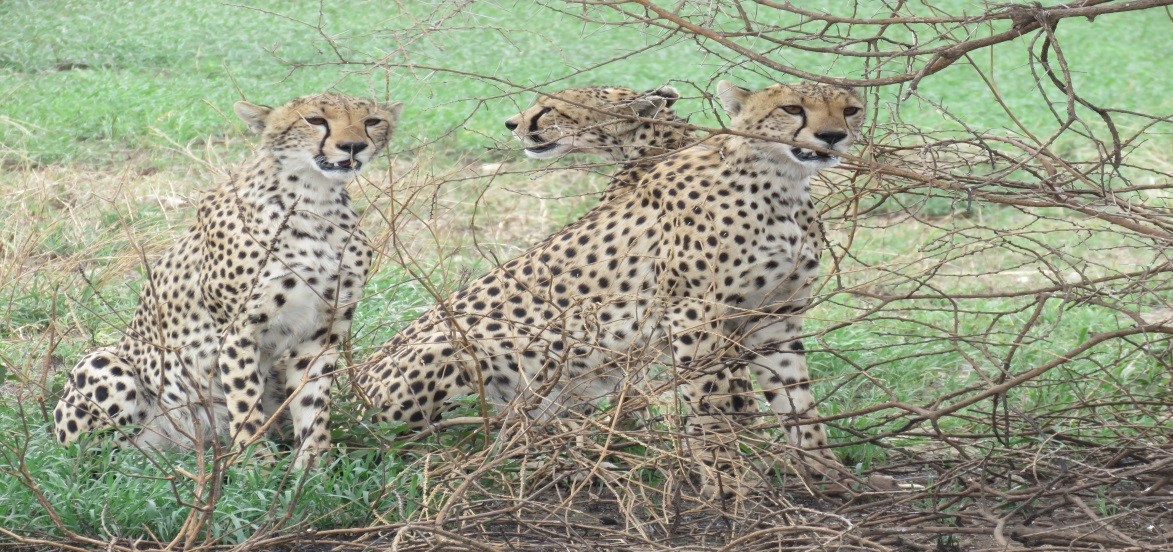
Serengeti - The most beautiful reserve we visited, both for its scenery and the number of big cats in the reserve. This is the most photographed safari in the world, and for good reason. The largest and most famous park in Tanzania. A place with massive grasslands, vast savannas, and the Great Migration passes through there. The Serengeti is THE place for a safari in Tanzania. The reserve spans nearly 15,000 sq km, hence its name – endless plains. Indeed, the landscape is an endless grassy plain, with almost no trees. The soil is mineral-rich volcanic ash, making it quite fertile, so grass grows uninterrupted. The Serengeti crosses the border between Tanzania and Kenya, where it is called the "Masai Mara".
Ngorongoro - In a small area of about 300 sq km, there are 25,000 large wild animals such as gazelles, zebras, wildebeest, elephants, pursued by predators like lions, hyenas, and cheetahs. Ngorongoro, formed about two million years ago, is actually a caldera – a crater formed by the collapse of a volcano's magma chamber. At a depth of 600 meters, the crater is the largest enclosed caldera in the world. Thanks to its abundant water sources and grass, a microcosm exists inside the crater that independently sustains the animals and people living there. Although most animals can leave the crater, the abundance of food (pasture and, of course, prey) and living conditions mean that migratory animals like zebras, wildebeest, gazelles, and elephants gave up their "freedom" and live permanently in the crater.
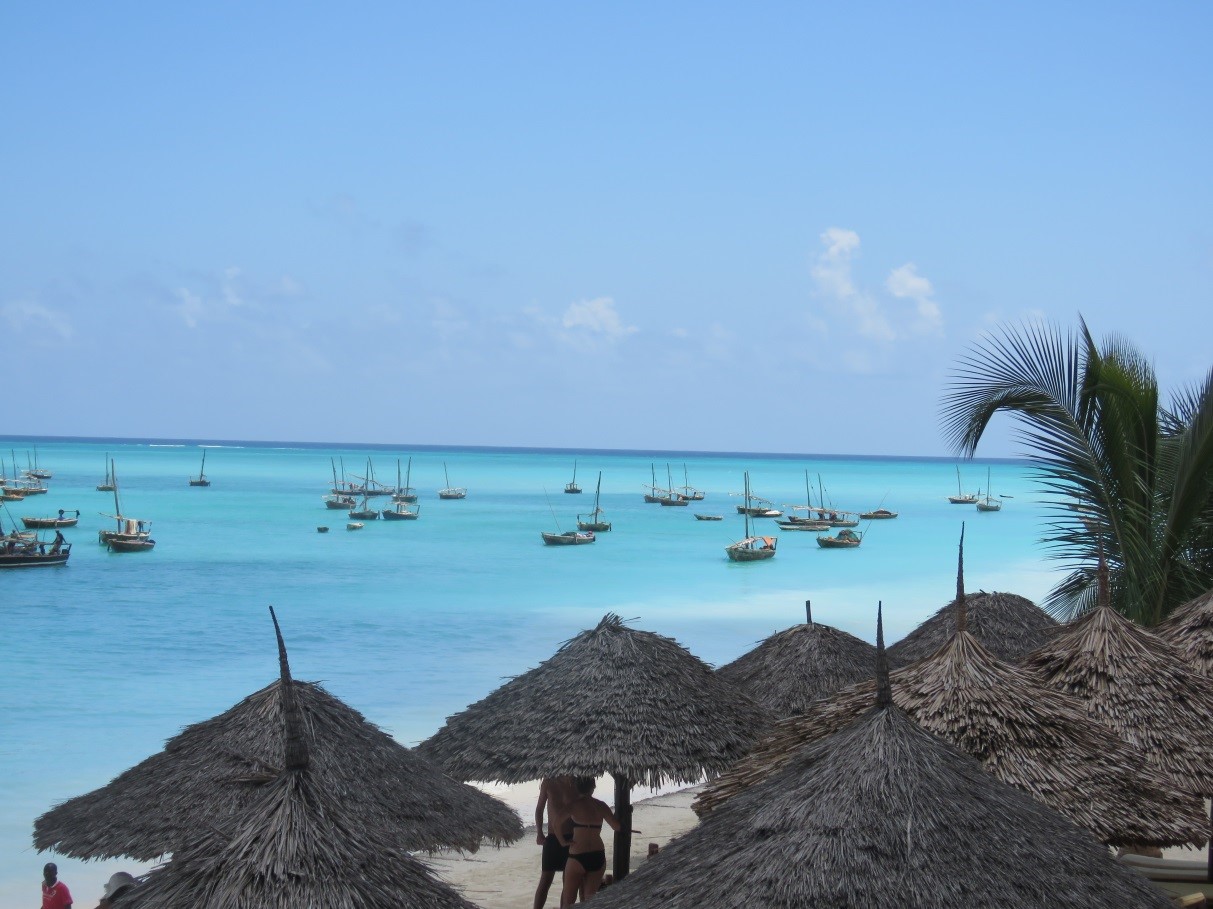
We arrived in Zanzibar on a flight from Arusha. Zanzibar is an excellent place to kick back and relax on the beach. The hotels are of a very high standard, and most offer "all-inclusive," which adds to the fun and atmosphere.
In Zanzibar, there are several attractions you can do. Since we did only a few, we can only recommend those:
Safari Blue - A very nice attraction. You sail to a small sandbank, stop for snorkeling, and from there to a larger island where you eat lunch. A full-day attraction.
Swimming with sea turtles - A cool attraction where you go in to swim with sea turtles and feed them.
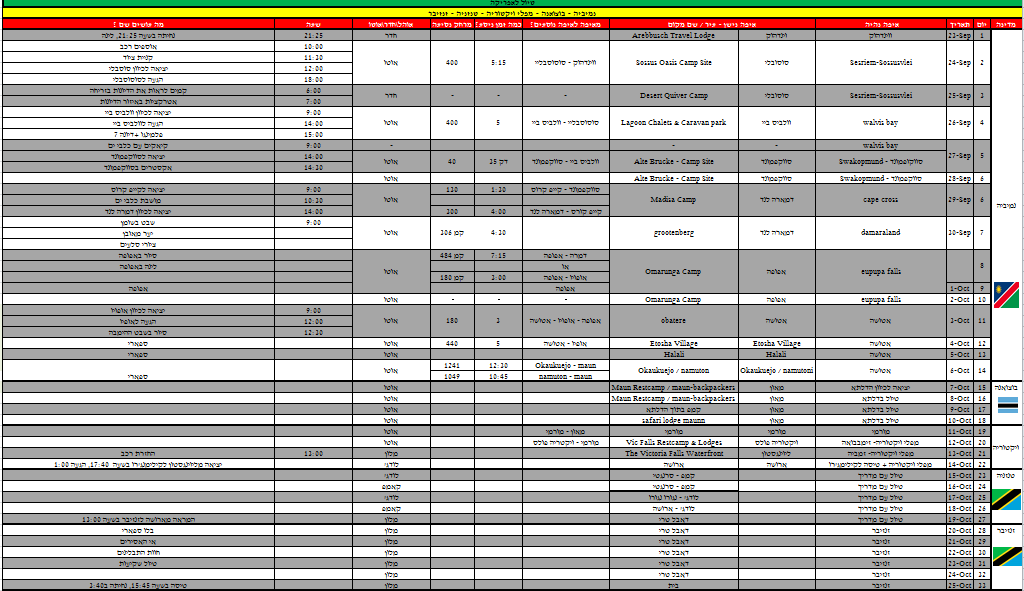
A - Trip Excel
B - Accommodations table
C - Vehicle
Appendix A - Excel:
Appendix B - Accommodations table:
Appendix C:
Vehicle:
We rented a car for 21 days. We picked up the car in Namibia (Windhoek), from there we drove to Botswana and from there to Zimbabwe (and returned the car in Zimbabwe).
It is very important to get a strong and durable vehicle because most roads are dirt roads.
In Namibia, it is common to rent vehicles with a rooftop tent; the tent is very easy to operate and very comfortable.
We rented from a company called Namibia 4x4 rentals, where Mzungu offers a 10% discount voucher for the car. Great company.
Things to check when picking up the car:
Verify there is a dual fuel tank in the car.
Where are the jack points located?
Verify tire changing equipment (jack, lug wrench, jack handle).
Verify there are two spare tires and that both are intact (highly recommended to order two spare tires!)
What type of engine oil is required?
Fuel type?
Verify tow straps
Verify a shovel (in case you get stuck in sand)
Tow straps, where do you attach them?
What is the required tire pressure?
How to engage 4x4
Cross-border permit.
Verify red and white reflective strips – in Zambia they issue fines if you don't have these reflective strips