


Twenty Days in South Africa
Friends, we just returned from an amazing 30-day vacation that included South Africa and then Seychelles.
- Independent / backpacking
Avi Bigelman traveled with his partner for about 15 days in South Africa and wrote another article about the Seychelles!
Friends, we just returned from an amazing 30-day vacation that included South Africa and then the Seychelles.
Below are dozens of tips, recommendations, general information, prices, and details of the route we took during the trip. The information regarding the Seychelles is in a separate article we wrote! The post is long and includes a variety of recommendations and ideas. In addition, I will mention things that could be an additional option (marked with an asterisk) for places we were not in and might seem suitable for you. I am sure others might have different experiences or opinions, so I will say in advance that it is clear to me the experience is subjective. This article gathers our entire experience and a huge amount of information gathered over weeks of hard work! Enjoy.
South Africa-
Language: In South Africa there are many languages, with the main ones being Afrikaans (a type of Dutch combined with local languages) and English. We didn't see a single person who didn't speak fluent English during the trip, and that's a great advantage.
Vaccinations and Passports: South Africa does not require special vaccinations; if you go to a travel clinic they will tell you that the recommended vaccinations are like any other destination in the world (tetanus, typhoid, hepatitis). There are specific areas where you need anti-malaria pills, like Kruger (note that the price of Malarone has dropped drastically, get a prescription from a family doctor). If you stayed on the way in a country where yellow fever has not been eradicated for more than x hours, you may be required to present vaccinations for the disease (for example Ethiopia). The authorities require 2 consecutive blank pages in the passport. I saw additional guidelines regarding children who need to present birth certificates for them – I recommend delving into this topic.
Weather: The weather in South Africa is actually the opposite of Israel, meaning when it's summer for us, it's winter for them, and vice versa. The peak season is January – February, which is the height of summer. Less recommended months for travel are May – October, which are winter/autumn. However, it should be taken into account that the country has been in a drought for 3 years. We were in the country for all of April and the weather was excellent, but it also changed several times during the trip. The times when there are usually whales are June – November, the best times for shark watching are May – July (water visibility is best, but there are sharks all year round).
Personal Security: Despite endless scaremongering, stories, and other doom-talk, we didn't see anything unusual or feel that way. Yes, it's less advisable to walk around alone in the dark on the street, but that's where it ends. I will note that locals also told me the only place where it's really advisable to know where you are walking around is Johannesburg, which is full of corruption and quite a bit of crime. The locals in Kruger and on the Garden Route were amazing and remarkably polite; the only place where the population was annoying was in Cape Town with its many beggars.
Travel Insurance: For anyone going on a long trip who is going to check in several places like Wobi etc., pay attention that if you choose the backpackers insurance option, the final result will be cheaper with more comprehensive insurance, compared to choosing standard insurance and adding extreme sports separately. Why? I have no idea. However, they force you to take the traveler insurance for a minimum of 30 days, meaning on a long trip it's definitely worth it (even if you are going for 20 days, check the option to pay as if for 30 and it might still be worth it).
Reservations: It's advisable to book hotels and flights as early as possible, especially for Kruger Park. We booked the whole trip a few weeks before and I'm sure we paid a considerable premium for it. Note that if you book domestic flights in South Africa, usually if you switch the payment currency to Rand you'll suddenly find significantly cheaper tickets than if you stay on the default USD/EUR, especially on their national airline. Also, we booked individual single tickets twice instead of a pair ticket and got a cheaper price.
www.sa-airlines.co.za/1time-Airlines.html This website is great for searching domestic flights, however it looks pretty fishy and I wouldn't book directly from it, but after you find the desired flight simply go to the airline's website.
Cost of Living: Food is very cheap. An excellent steak will cost 60 Shekels and you can also finish a good meal for a couple for 80 Shekels. Most standard accommodations are in the range of $50-150 a night. I wouldn't define the country as a shopping destination at all. Clothing and electronics items are at Israeli prices or even more expensive in most familiar global chains we entered (hm nike adidas apple). As for attractions, there are those that are especially expensive and on the other hand there are those at cheap prices, so this part varies a lot.
Maps and SIM Card: I didn't know about the package that Golan offers, otherwise I completely would have gone for it from the start. For the first two weeks we were without internet and used only Google Maps and didn't struggle at all. For those who don't know, the app works even without internet and serves for navigation in an excellent way. You need to download offline maps in advance and everything is fine. I highly recommend sitting down with the map and marking all the places you'll want to be in during the trip across all the different cities, it will save you a lot of time and it's very easy to navigate to any point afterwards. An electrical power adapter is required in the country.
3 companies operate in the country: MTN, CELL C, vodacom. The most noticeable difference between them was in the price of the SIM they require. The SIM at Cell C is free, while Vodacom wants 150 Rand and MTN 69. At Cell C there is a WhatsApp-only package for 4 Shekels valid for 30 days (yes, not a mistake, 4 Shekels). A 1GB data package costs 150 Rand, 2GB 250, 3GB 300, and 5GB 400. Definitely not cheap, so Golan's package is much more worthwhile and also includes calls, so there's nothing to compare. Almost everywhere in South Africa had Wi-Fi, whereas in many places mobile internet had no reception.
Currency: The practical currency in the country is the Rand. Note that this currency moves drastically and has a very high standard deviation (can move 8% in a day) and its exchange rate will undoubtedly affect the price of your trip. Unfortunately, we were in the country exactly when the currency was in a serious strengthening wave that began in January 2016 (rate of 16 against the dollar) down to a rate level of 13. Such a change directly affects such a long trip, so costs may vary significantly between people who visited the country (a 20% gap on a long trip can add up to 5000 Shekels for a couple). Throughout the trip we didn't see anywhere to exchange money besides the airport and in the banks themselves. To my understanding, the currency is under strict supervision against corruption and counterfeiting, so it was decided that exchanges can only be made in banks. Keep in mind that the process takes a very long time and you will have to fill out endless forms for every minor exchange. Fortunately, at one of the places we stayed at, the manager agreed to exchange with us at market rates, so both sides benefited quite a bit.
Driving: Driving is on the left side. Note that sometimes there will be right turns where you have a green light, and yet vehicles continuing straight from the opposite direction will also have a green light – crazy, unclear, and insanely dangerous, I don't know how to explain this thing. In almost every place in the country there are no street lights on the roads, not even on toll roads. You should take this into account and it is desirable in any case to reach your destination by 18:30 when complete darkness begins. The roads on the Garden Route are quite empty and there are no traffic jams at all. In Cape Town there is traffic, but even that is not so terrible. There are quite a few toll roads along the way, on some you pay directly at the toll booth and on others the gate will open for you because the rental company has an agreement with them and you will be charged from the deposit you left. There are rough roads with quite a few potholes where you need to be especially careful, the end of the Panorama Route towards Hazyview is one of them, route 535. Fuel costs about 13 Rand per liter. Main streets – note that in most cities and towns the main street will simply be called main street.
Car Rental: It is recommended and important to rent a car that will fit the suitcases you bring so that they fit into the trunk perfectly and are not exposed outside. Equipment left exposed in the car puts the vehicle at a relatively high risk of break-ins - this is very important. If you rent a car and return it at a different destination, you will pay a one-way fee for it.
The first company does not charge a one-way fee if you book in advance (Ofran, Memsi) between the cities of Cape Town and Port Elizabeth (there is another big city, maybe Johannesburg, but I'm not sure). I read a few bad reviews about this company, so I'll say that they were excellent and even upgraded our car and gave great service, and I warmly recommend them.
Note an important tip. With this company, the deductible for car damage does not exceed 4,000 Rand ($300), whereas in most other companies the deductible is over 15k. If you take the car for a long period, it's conceptually not worth paying for deductible waiver. In our case of a 14-day car rental, the addition was about $150 for the extra insurance for the whole period. Meaning, I pay 100% $150 to protect myself from a maximum damage of $300?! Make your own personal considerations regarding the worthwhileness of this matter because it's not a small amount of money.
Parking attendants – you will encounter quite a few people in vests who will help direct you into parking and tell you they are watching your car. These people expect/demand a tip from you. It is advisable to give them 3-5 Rand each time, maybe it's a bit annoying but it's small change, and if this extortion reduced the level of car break-ins in the country drastically (according to the locals), then it's a blessing.
Safari: The main safari sites are in the vast Kruger Park, Pilanesberg near Sun City, and Addo Elephant Park near Port Elizabeth. My focus will be on Kruger where we stayed.
And the trip begins...
Day 1 – Day 3 – Flight and arrival at Kruger
An excellent connecting flight with Turkish brought us to Johannesburg, and from there we continued directly on a flight to Phalaborwa where we rented a car and drove it to the lodge in our private reserve in Kruger.
*Option: Staying in Johannesburg and visiting its various attractions.
Kruger-
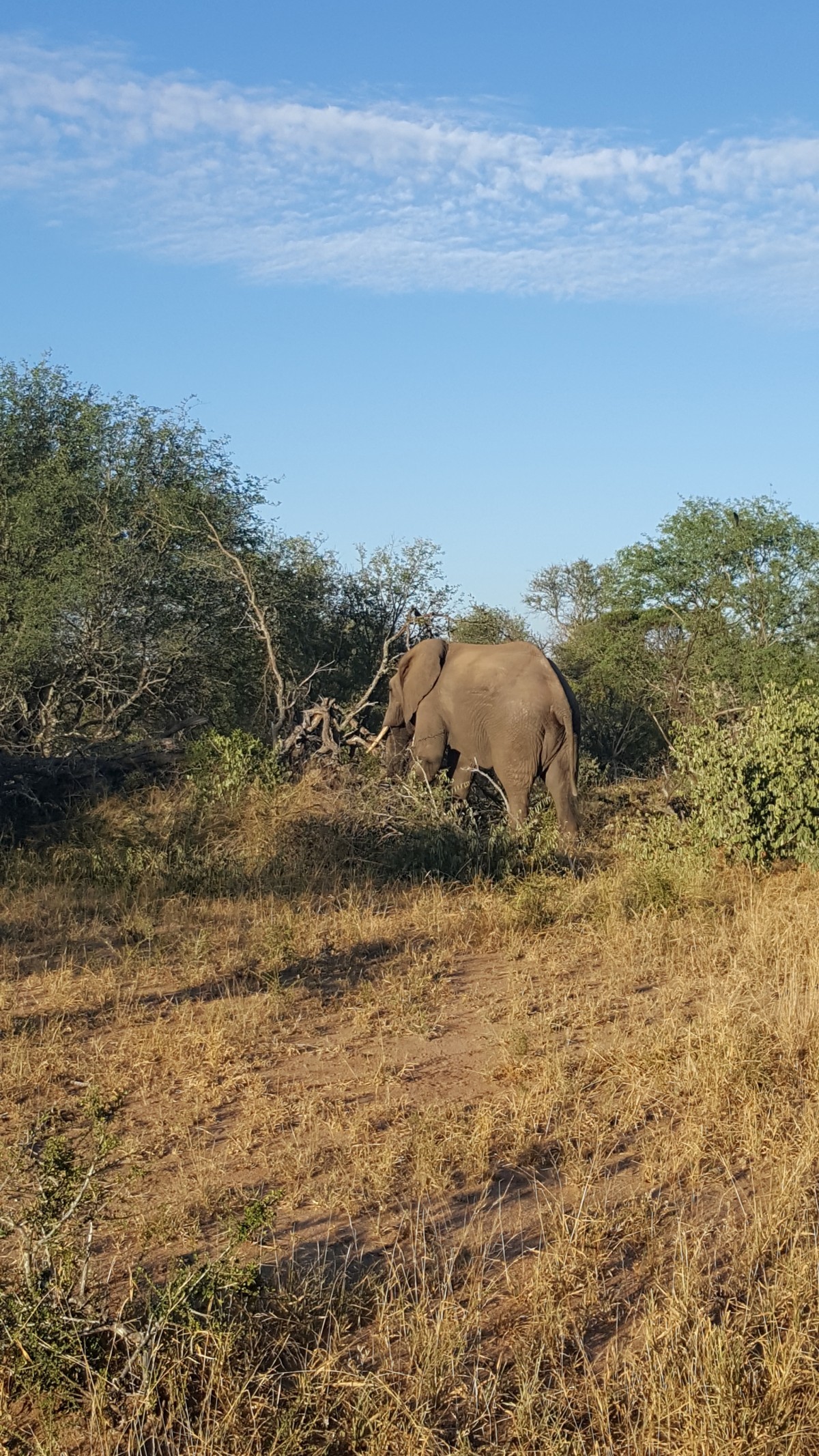
Kruger is a vast park, larger than Israel, where animals roam freely. In the park, you can see the huge variety of animals that Africa has, including the Big 5: rhino, lion, buffalo, elephant, leopard.
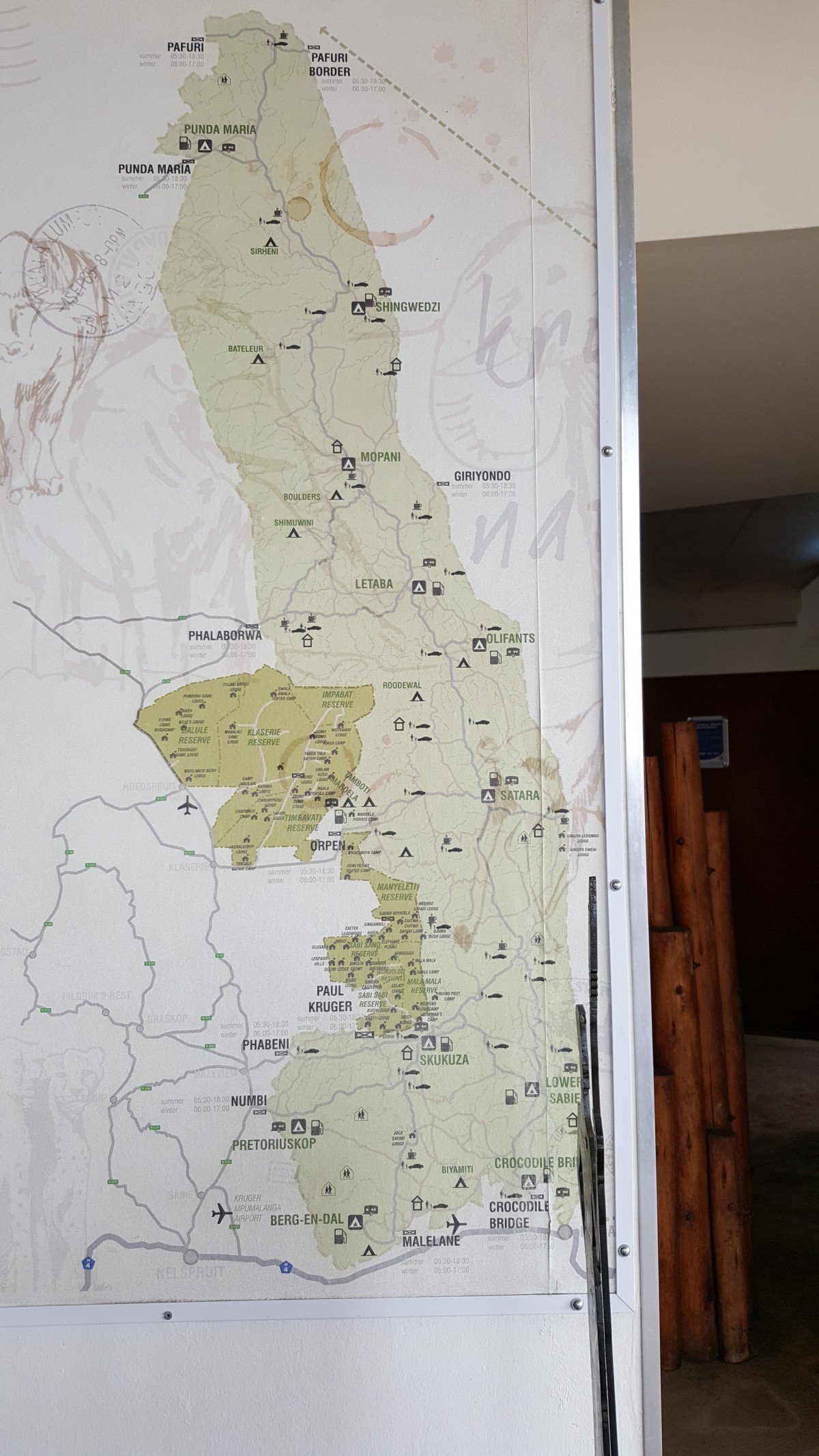
In the park, there are several main camps (the well-known satara) where you can sleep in camping or semi-camping conditions, etc. Also, there is an option to stay in a private reserve. It is important to understand that the private reserves are not officially Kruger, but are adjacent to it and the animals can move freely without restriction, while there are no roads that can cross you into Kruger itself, so the private reserves have their own gate. There are countless reserves and it is advisable to research deeply which one is most recommended, though the prices will also correspond. Recommended ones I read about are in the sabie sand area, but it was particularly expensive. Also, it is advisable to check with the lodge how many other lodges it collaborates with – each reserve is divided into sub-reserves and plots; in the past, some of the reserves were surrounded by fences, but many of the lodges decided to take down these fences and start collaborating in searching for animals together.
The difference in experience between staying at one of the lodges in the private reserves versus sleeping in Kruger (or alternatively sleeping outside the park and entering it in the mornings) is very different, and I will try to highlight the differences.
The lodge hospitality compound will be very exclusive and quiet. Rooms are usually of a very high standard and the stay will include full board and 2 safari drives a day at 6 AM and 4 PM. Each safari drive is about 3 hours.
In Kruger, you can drive on the trails only, whereas in the private reserves, your lodge's safari vehicles will go deep into the reserve/forest/savannah.
Most lodge owners are in full sync with each other and collaborate throughout the day, so if they find an "interesting attraction" they will call each other – a very important and essential thing on a safari trip in a huge area when searching for animals.
At the time of our booking, most of the lodges were already booked, and the cheapest lodge cost about $540 a night, not including reserve overnight fees which cost 200 Rand per person plus another 140 Rand vehicle entry fee to the reserve. By chance it happened to be a lodge that friends of ours stayed at before us and we got a recommendation for it, its name is baobab ridge and it also gets a very warm recommendation from us!! The lodge is located in the klaserie reserve which is close to Hoedspruit.
You can check the option of taking a private tour in Kruger with a safari vehicle if you choose not to stay in a private reserve. Bottom line, the experience is completely different and more expensive on paper. It is advisable to check the cost of booking a private safari for comparison purposes (remember that you are entitled to 2 of these a day).
If you choose a private reserve, my recommendation is a two-day stay and no more, because 4 safari drives are sufficient. An important thing is to plan so that you arrive at the lodge by 16:00 to make it in time for the evening drive on the day of your arrival. Keep in mind that the high pricing per night includes this safari, and it's a shame to miss it. I suggest checking the option of pickup by the lodge owners from the airport. We rented a car from the very first moment, and in practice it stood for two days without moving at the lodge; a round-trip airport shuttle might be cheaper than burning two days of car rental.
It is important to understand that wildlife viewing involves quite a bit of luck. While the first and second drives were quite disappointing in terms of the animals we saw, during the third and fourth drives there wasn't a moment where we weren't surrounded by animals. As I mentioned earlier, animals are free to move from Kruger to the reserve and vice versa without restriction, and the areas are vast. Specifically in the reserve where we stayed, Klaserie, it is very rare to see black rhinos (but plenty of white ones) and cheetahs because they don't like its terrain, but beyond that, all the animals are there too.
Attached is a map of Kruger and the adjacent private reserves.
Day 4 - Hoedspruit
After 2 nights of amazing hospitality and after a final morning safari, we left the reserve and started the attractions around Hoedspruit.
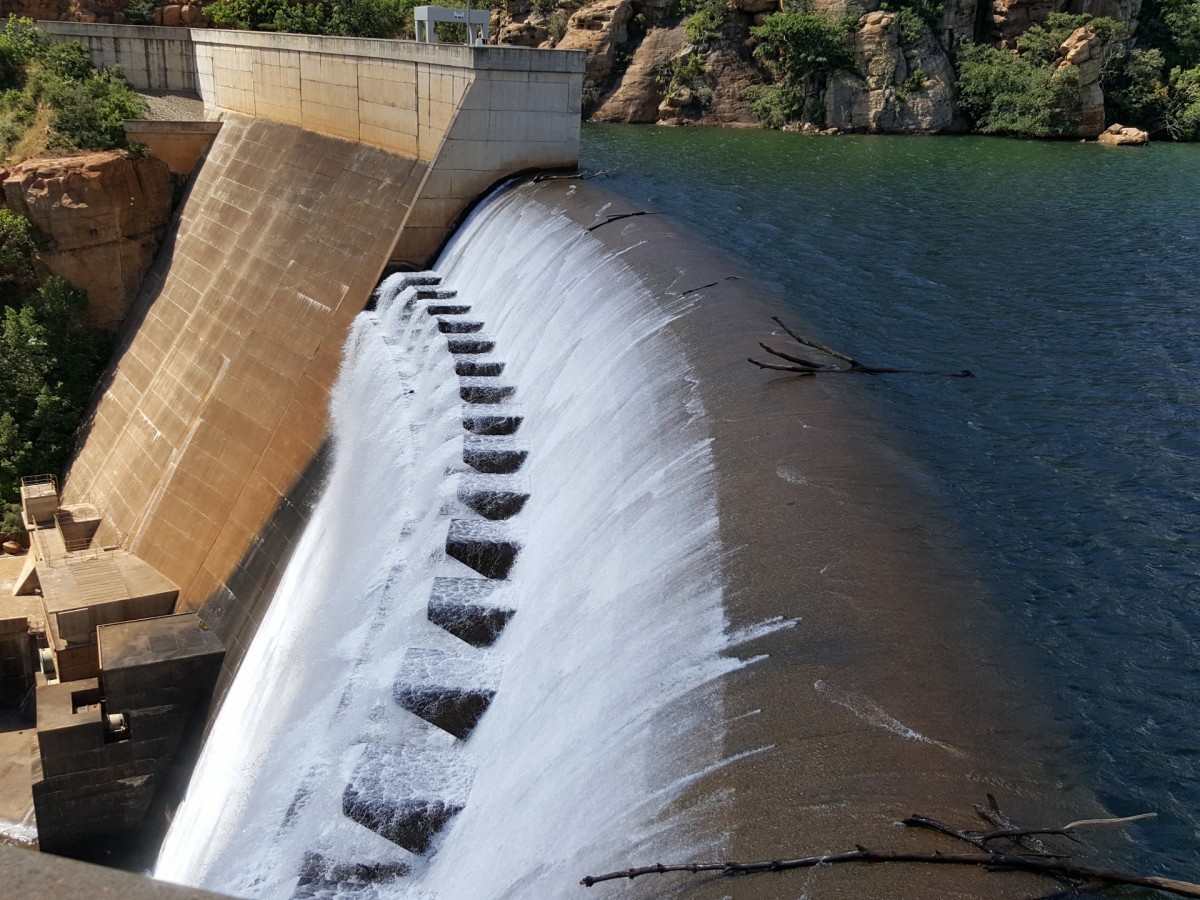
Blyderivierpoort Dam – Going up and viewing the massive dam in Blyde Canyon. It is important to note that you continue along the road, and right before the end there is a kind of small post on the left that says "wall", and here you park, and there are somewhat hidden stairs to go down to the huge dam. 20 Rand per person. Spectacular view, and I wouldn't miss going up to the dam.
We stayed at Unembeza Boutique, an amazing place with perfect hospitality and a crazy breakfast, located inside a residential neighborhood in the heart of nature, but in reality just expensive for a few hours of an overnight stay ($150).
Day 5 – Starting the Panorama Route
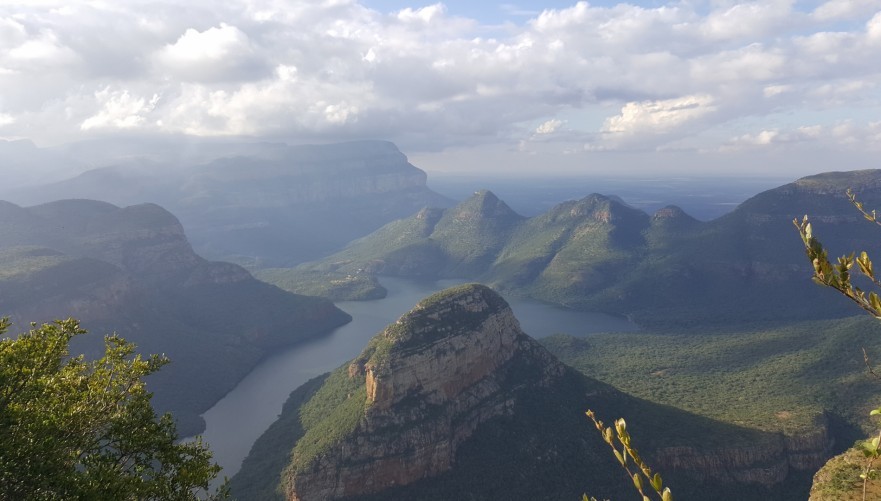
The pampering hospitality made us delay our departure a bit, plus quite a few roadworks, so it's always advisable to allow sufficient buffer time. We intentionally dedicated two days to the variety of places along this route, for precisely this reason. The Panorama Route is considered one of the most beautiful roads in South Africa, and most of it runs along Blyde Canyon.
Forever Resort – Our first point was at this huge resort, which has quite a few hiking trails and spectacular viewpoints overlooking Blyde Canyon. In retrospect, for logistical reasons, I would book one night at this place instead of two days in Hazyview at the end of the Panorama Route.
At the resort is the upper lookout point, which in my opinion is the most spectacular of all the viewpoints along the route.
We chose to do a trail of about an hour and a half called KADISHI-TUFA TRAIL, which was nice but not particularly spectacular. If you have 2 vehicles, you can park one at the bottom of the trail and one at the top. Entrance cost for people not staying at the resort is 50 Rand.
From there we continued to the points:
Three Rondavels – 20 Rand per person. Viewpoint.
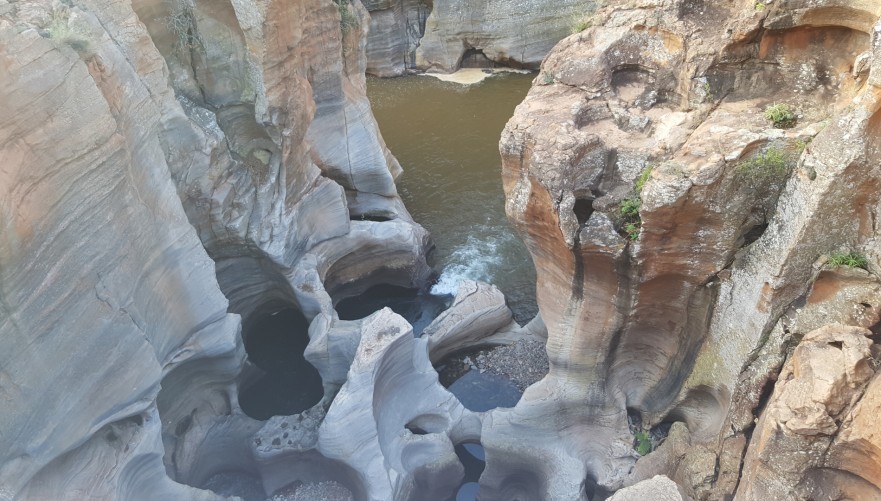
Bourke's Luck Potholes - 50 Rand per person. A walking trail of about 30 min. on bridges and cliffs – especially spectacular. From this place there is also an option to go on treks that we didn't do.
At this stage it had already gotten dark, and we drove to our accommodation in Hazyview, Idle & Wild - not particularly impressive. Route 535 to Hazyview is full of potholes, and you should drive carefully.
Across from Hazyview's commercial center, there is a complex with a lot of restaurants; we ate at Topolino's Italian, and it was excellent.
*Option – Echo Caves at the beginning of the route, even before the resort.
Day 6 – Completing the Panorama Route
In practice, this day was planned with the potential to independently enter Kruger with our car from Hazyview, which is very close to the Phabeni entrance gate, but we completed everything we didn't get to do the day before.
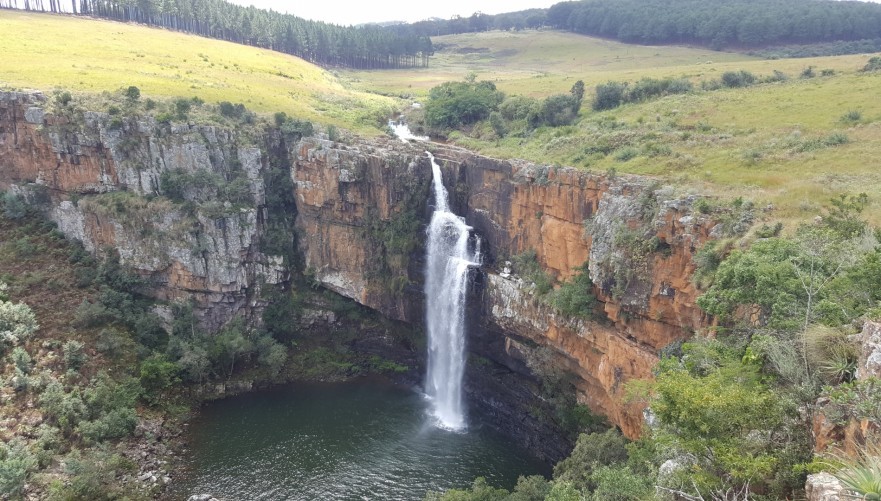
Berlin Falls – Nice, nothing special. 10 Rand per vehicle
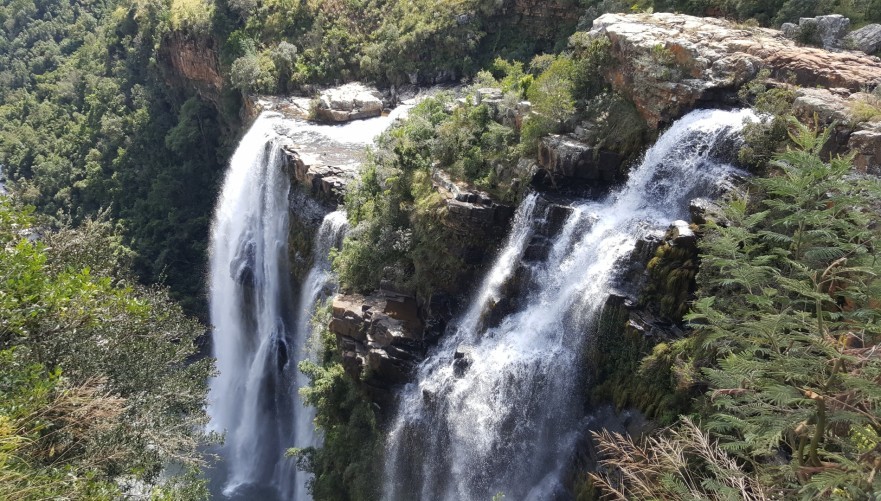
Lisbon Falls – Spectacular waterfall. 10 Rand per vehicle
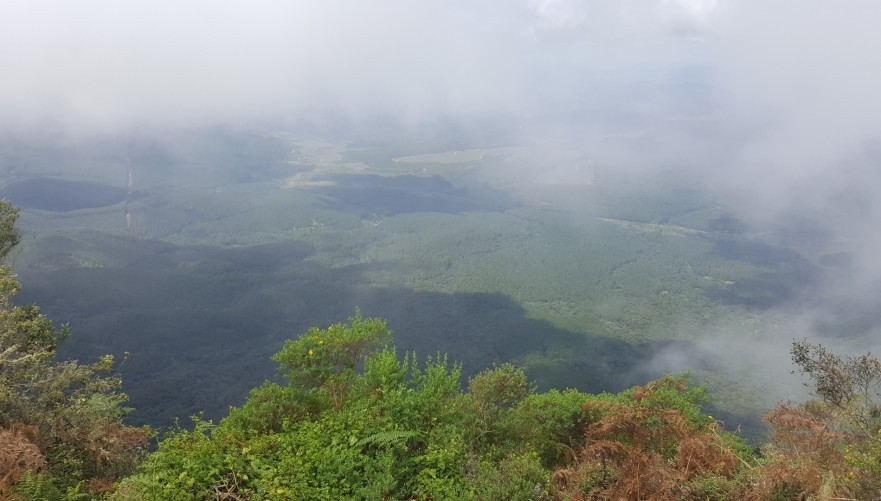
God's Window – The most famous site on the Panorama Route with an impressive viewpoint over the canyon. On site there is a walking trail to an amazing rainforest that takes about an hour round trip. 40 Rand per vehicle.
The Pinnacle Rock – A rock jutting out of the ground. 20 Rand per vehicle
Graskop - A short walk in the town, which has 2 main streets, for a stroll of a few minutes and eating at the famous Harrie's Pancakes restaurant
Pilgrimsrest – Don't go because there's nothing there.
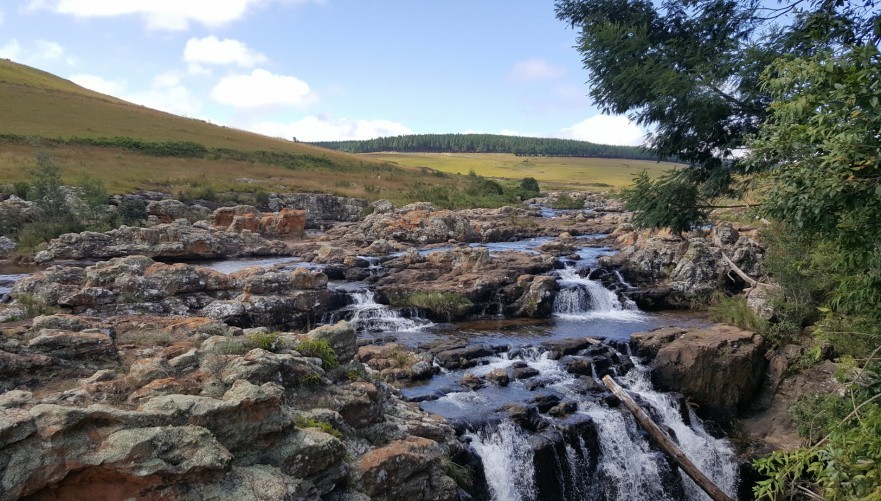
Mac-Mac Falls – Another nice waterfall, not a must. 10 Rand per vehicle
Return to accommodation in Hazyview.
*Option: Shangana Cultural Village, elephant sanctuary, Elephant Whisperers, tubing.
Day 7 – Drive to Johannesburg and flight to Port Elizabeth
Perry's Bridge Reptile – In the restaurant complex in Hazyview there is a reptile farm with dozens of snake species, a nice place and not a must. 120 Rand per person. (We do not encourage visiting places that cage animals or present themselves as a wildlife sanctuary).
We decided to drive the road to Johannesburg instead of flying, a drive that took about 4.5 hours.
Alzu Petroport N4 – A huge and very popular complex halfway through, including a mall, restaurants, a gas station, and a vast area in a valley with animals that you can view from inside the complex. A must-stop place.
We flew to Port Elizabeth, picked up our car from First car rental, and stayed at Hub Boutique. A good place to spend the night.
*Option: Drive from Johannesburg to Sun City for a few days – the Las Vegas of South Africa.
Garden Route, introduction – In my opinion, the best experience in South Africa
A spectacular route that includes dozens of towns along its length and endless attractions to do. Everywhere you will find brochures with a variety of activities along the way. The offering is endless and you need to plan ahead which attractions you want to do and where. For example, kayaking will be an option in almost every town, but the place I recommend is in Wilderness. My personal planning for the Garden Route emphasizes experiencing the best of the towns along it, where the goal is to arrive every day in the evening at our accommodation without burning (or alternatively wasting) daylight hours. I personally recommend moving forward every day along the route and not staying in the same town for more than one day; anyway there is a lot to see and you can pretty much get the most out of each town in a few hours because most of them concentrate on one to three main streets.
Day 8 – Departure from Port Elizabeth to Jeffreys Bay, arrival in Tsitsikamma (Storms River)
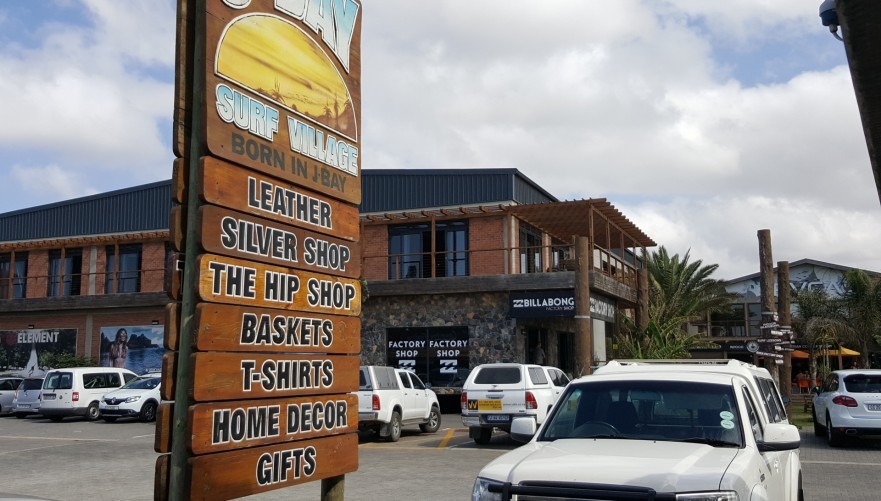
Jeffreys Bay – A beautiful surfer town, whose main fame comes from its surf shops which include the factory outlets of Billabong, Quiksilver, etc. Note that the shop across from the Billabong factory store was actually cheaper for the exact same products.
Zipline Falls Adventures - Before the town of Storms River, there is a complex for ziplining over waterfalls, unlike the Canopy company which also does zipline tours, but inside a forest and not over waterfalls (though longer and more complex). Ultimately the experience was fun, but relatively expensive for an activity that lasted about 40 min. 375 Rand per person + 150 Rand for video and photos.
The Big Tree – Right before the entrance to Storms River, there is a nature walking trail centered around a giant tree. There are several trails to choose from on site, and we went for the middle one which took about an hour. Not a must-do trail, but nice for a walk. 38 Rand per person.
Marilyn's 60's Diner – A cool retro restaurant with a menu designed like a 1960s newspaper, and the place has collector cars and quite a few cool vintage items you'll definitely take photos with. On the other hand, the food there wasn't great.
We stayed at Tsitsikamma Village Inn, which comes with a warm recommendation. A beautiful boutique with retro design where each building is themed. Relatively quite cheap and worth it too.
*Option – Tour Port Elizabeth (not that I saw anything special there), penguin sanctuary.
*Option – Drive to Addo Elephant Park and do the safari there instead of in Kruger (there is no malaria here).
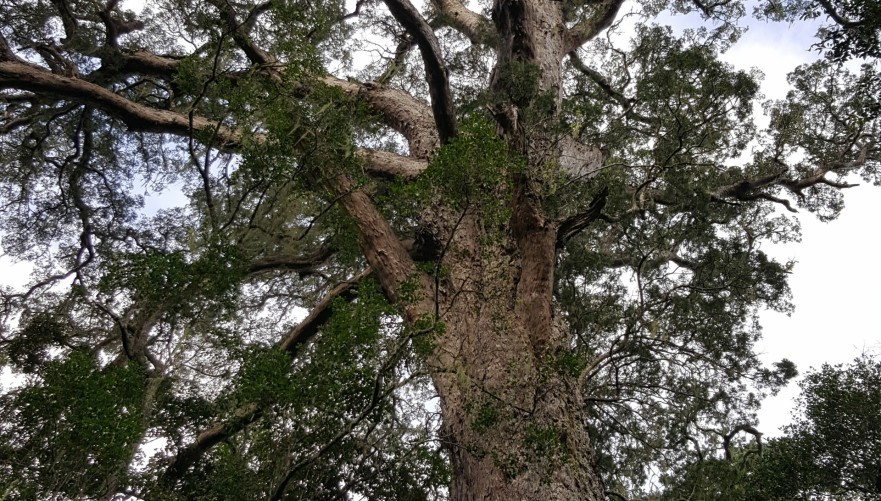
Day 9 – Tsitsikamma Nature Reserve.
An amazing and huge nature reserve with many trekking routes, where you can stay overnight in tents or a camper van. We chose to do the 2 recommended trails for day hikers. In principle, you can split and do "The Mouth" trail first, but you'll pay a double entrance fee. Entrance 49 Rand per person.
The Mouth Trail – A one-hour trail up a cliff until reaching 2 suspension bridges over the ocean. Called "The Mouth" because the bridges stretch between 2 narrow sections of the cliff. A must-do and enjoyable trail.
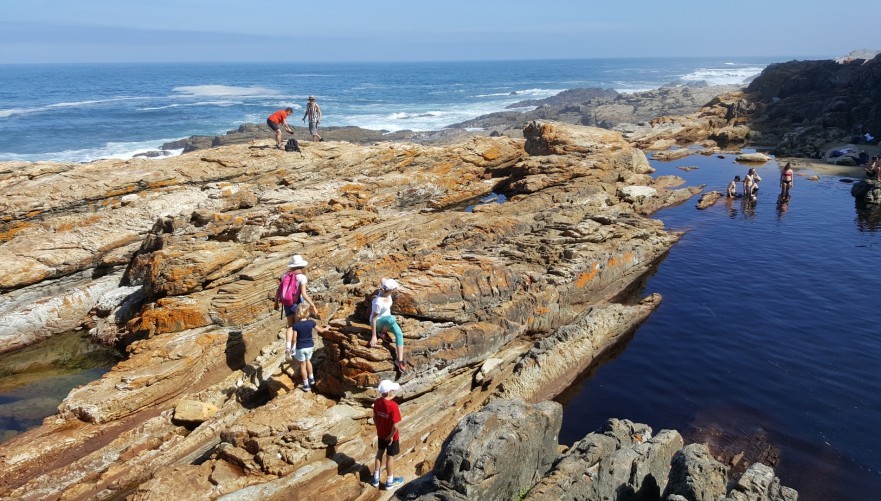
Waterfall Trail – One section of a trail called the Otter Trail that lasts several days. A very difficult trail, mostly walking on rocks until reaching a spectacular waterfall cascading down the cliff. Recommended for experienced hikers only. The water was quite cold, but many got in near the waterfall. The trail took us almost 4 hours including a 45-minute stop at the waterfall. We came back physically exhausted, keep that in mind. Attached is a photo of the path to understand what walking on rocks is like...
After the trail, we continued towards Plettenberg Bay. On the way you pass Bloukrans Bridge, which is considered one of the best places for bungee jumping, and we stayed at Dolphins Playground with the lovely Pam. A beautifully maintained and charming place – highly recommended. The room is small but at a very high standard, including the balcony overlooking the ocean. The apartment is located a one-minute walk from the beach.
In Plettenberg Bay there are several good restaurants, including the Italian restaurant Table. We went to The Lookout Deck. Overall, a great place to sit over a beer and enjoy the atmosphere because the place is located right in a high building on the seafront. On the other hand, the food is relatively expensive and was not particularly good.
*Option – Birds of Eden park + adjacent monkey park, bungee, Plett Puzzle Park.
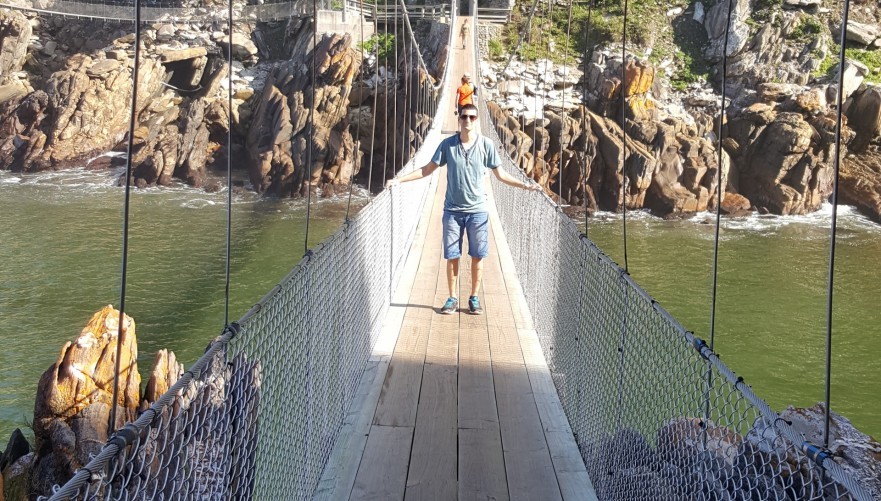
Day 10 – Plettenberg Bay and Knysna.
In the morning we took a one-hour stroll on the main street of Plettenberg Bay and continued to the Robberg Nature Reserve.
Robberg Nature Reserve – There are 3 trails at the site, with the middle and recommended trail being called Witsand. The main attraction on the trail is a huge seal colony located at the foot of the mountain. On the way back, the trail passes through sand, so keep that in mind. Fog can settle in the area, causing temperatures to plunge and also ruining visibility as happened with us. On the way back, you pass through one of the most spectacular places in my opinion in the entire trip - a small strip of beach that has become a peninsula surrounded by ocean on all sides. The trail is relatively easy-moderate difficulty. The long trail is defined as very dangerous. 40 Rand per person.
The Heads – Drive to Knysna where 2 headland cliffs are located. We ate at The Heads East Cafe which overlooks the heads – recommended.
Leisure Island – On the way to the accommodation, we stopped for a few minutes for a loop around an upscale neighborhood built in the heart of the town's lagoon with an impressive view.
We stayed at Aestas B&B, which I do not recommend.
In the evening we drove to the city's Waterfront and ate at one of the dozens of restaurants there.
*Option – Spend another full day in Plettenberg Bay, in my opinion the most beautiful town on the Garden Route.
*Option – Elephant park on the way to Knysna, lagoon cruise, Mitchell's brewery tour on the boardwalk.
Day 11 – Drive to Wilderness and Mossel Bay
This day started with bad weather that disrupted our plans. So we started the day at the mall in Knysna – a decent mall and a bit of a change of scenery.
Wilderness National Park – In the park there are many walking trails and activities to do, the recommended one being the Kingfisher Trail. In my opinion, it's better to do kayaking at this location (unlikely to do both). Eden Adventures - the most recommended kayaks on the Garden Route. They have 2 routes, one of which includes stopping with the kayak and a 40-minute walk inside the park. Unfortunately due to the weather we couldn't do the trail or kayaking and continued to the next point.
Pomodoro Restaurant – A popular restaurant in Wilderness
Map Of Africa View Point – A spectacular viewpoint overlooking a mountain landscape that looks exactly like the map of Africa. Pay attention that Google Maps will take you to the bottom of the mountain where you'll have to climb a lot of stairs; this was the only time Waze was better and navigated with the car straight to the top location.
Dolphin's Point – A viewpoint in the middle of the road to view a bay where there are usually dolphins.
Arrival in Mossel Bay and we walked along the promenade, a good restaurant on the sea Delfinos
We stayed at Oceans Hotel – Nothing special and relatively far from the center, but the center is significantly more expensive and it doesn't really matter.
Garden Route Casino – In the evening we visited the casino in Mossel Bay.
*Option – Spend the next day/do attractions in the main town of George (I didn't research in depth).
Day 12 – Sandboarding in Mossel Bay and a long drive to Agulhas
Dragon dune sandboarding – Despite particularly bad weather we decided not to give up and do the sandboarding under pouring rain. The advantage of this dune is that it's made of river sand rather than sea sand, so even in the rain the activity can be done and it becomes much more intense (high speed due to wind and friction). Overall a good experience, but expensive. The operator takes you to a farm and from there they drive you to the dunes, you get boards and do the activity. The cost is 400 Rand per person. Basically you can try to talk directly with the farm and check the cost with them, it seems to me that the operator takes a fat cut along the way just for advertising them. Anyway, phone number to chat with him on WhatsApp for coordination etc. +27829711405.
At this point there are several options on how you want to proceed on the route:
West to Hermanus
North to Oudtshoorn
Southwest to Agulhas and then continue to Hermanus
Due to lack of time and of course the fact that you can't manage everything, we skipped Oudtshoorn. A few main things in this town: a huge ostrich farm where you can ride ostriches, South Africa's most famous drip cave cango caves where there are 2 tours, regular and adventure (I understood the adventure one is crazy).
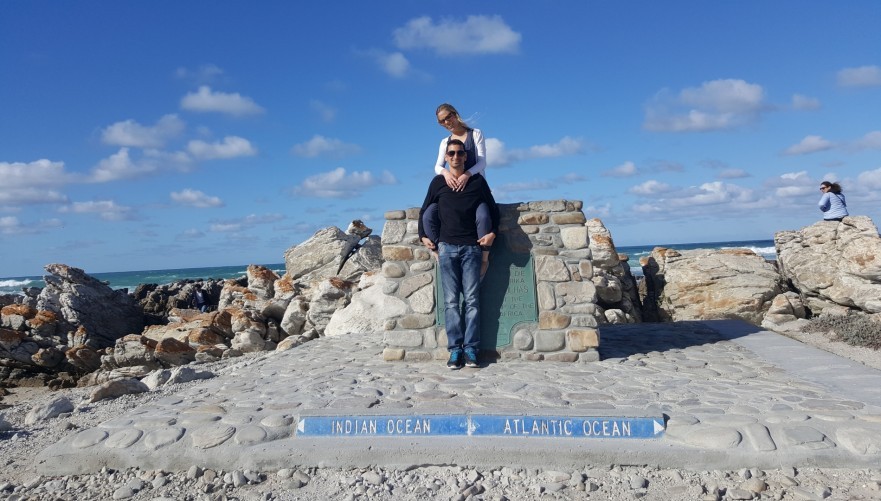
We drove about 3 hours on the long road to Agulhas, on the way we stopped at a pretty good fancy restaurant named Delish. In Agulhas is the southernmost point of the African continent where the oceans meet.
We stayed at an amazing place called Agulhas Ocean House which gets a super recommendation. In the evening we ate at a restaurant called Zuidste Kaap which is excellent for steaks. Both of us agreed it was our best meal in all 30 days of the trip. Highly recommended and a reservation is a must.
*Option – Skip Agulhas and drive to Holdstrom.
*Option – Stop at De Hoop Nature Reserve on the way.
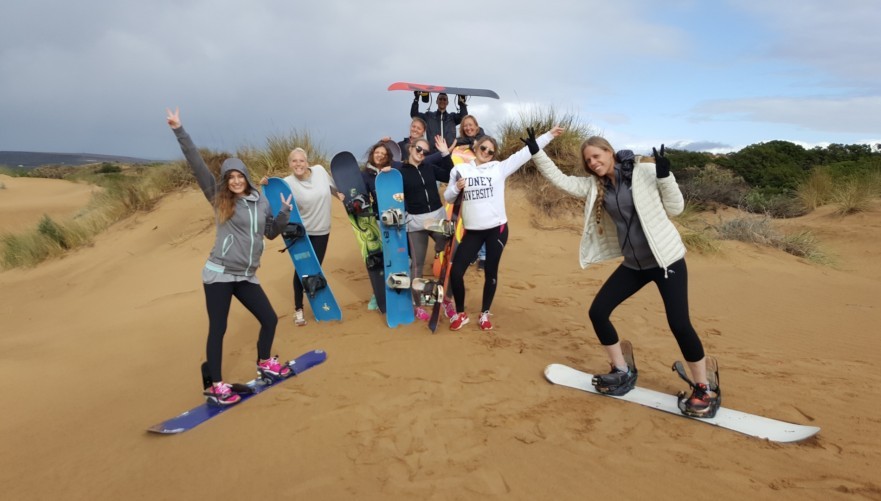
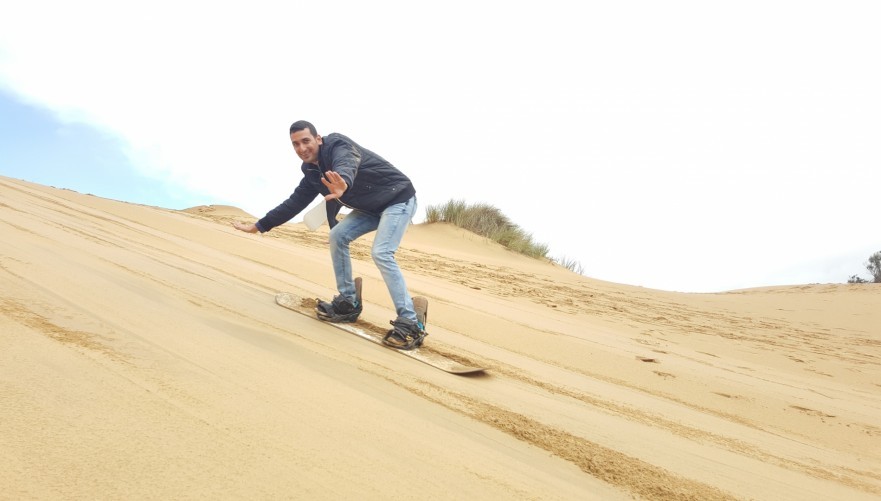
Day 13 – Southernmost point in Africa, Hermanus, De Kelders.
Southernmost Tip Of Africa – Visit to the southernmost point of the African continent.
Cape Agulhas Lighthouse – The lighthouse of Agulhas. 28 Rand per person.
Parrie the Stingray – One of the main attractions of Agulhas is giant stingrays that are in the harbor. When there is high tide or fishing boats return, they come to the harbor. These fish have become friendly and you can hand-feed them. The most famous and giant among them is Parrie.
From here this part was planned to fit shark diving planned for the next day – anyone who doesn't intend to do this can continue to Betty's Bay to watch penguins and then return to sleep in Hermanus.
Driving to Hermanus – The whale town. Long promenade, many shopping centers, a small craft market, and plenty of restaurants. Since it wasn't whale season, the town became less attractive for us and we spent only a few hours there. We ate at an excellent Italian restaurant in a side alley off the promenade Fabio's Authentic Ristorante Italiano.
For anyone who doesn't manage to see whales, it is recommended to drive to De Kelders, located only about 30 mins south of Hermanus, which is considered the best place to view them. They can come within just a few meters of the shore in this spot.
We left Hermanus and drove to sleep in the suburb of De Kelders just to be close to Gansbaai where shark diving is done. Apart from whale watching, which as mentioned weren't there during our stay, there is nothing to do in De Kelders.
We stayed at one of the more popular places in town called The Roundhouse, where there is also a jacuzzi on the roof. It is advisable to book a table at one of the town's restaurants for the evening, because we struggled quite a bit to find a place to eat and the selection is poor.
*Option – Stay overnight in Hermanus, penguin reserve in Betty's Bay.
Day 14 – Shark diving in Gansbaai, drive to Franschhoek.
Gansbaai is considered the best place in the world for diving with the Great White Shark – the largest and most dangerous shark. The diving takes place year-round, where what differentiates between months is water visibility. There are dozens of operators in the area who run trips to sea even 3 times a day due to the popularity of the attraction. The price range is between 1200 – 1800 Rand per person, not including a video film you can purchase at the end, but including all required equipment, a light meal, and changing rooms after the activity. It is highly recommended to book a place in advance for the activity, we almost missed it.
We initially booked the tour from gansbaybackpackers, but they canceled on us the day before with strange excuses that at first there was no space and then the tour was canceled and other nonsense – I recommend staying completely away from them.
The booking was ultimately done through the agency sharkbookings which aggregates several operators and works with them. You are welcome to contact Janine at phone +27824664519 who was amazing and did everything to lock in the tour for us at the last minute. The tour was ultimately done with Shark Diving Unlimited at a cost of 1200 Rand instead of the 1500 they wanted for direct inquiry. Also, it turns out that Janine is the owner of the roundhouse hotel where we stayed the previous day.
What is the difference between companies that causes such huge price gaps? Basically I don't think there is one. I met people who went with great white shark tours by brian who considers himself the king of the field (including TripAdvisor reviews), and therefore demands the highest price. These people told me about the exact same activity that I did and even less good, while he loads 40 people on a tour whereas we were fewer than 20. Some companies promise to return the money if you don't see sharks, and others give you the option to join a tour on another day.
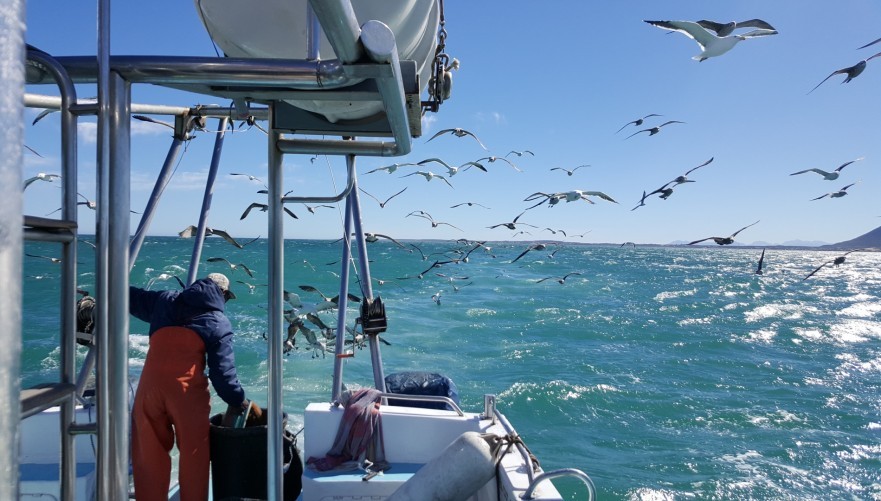
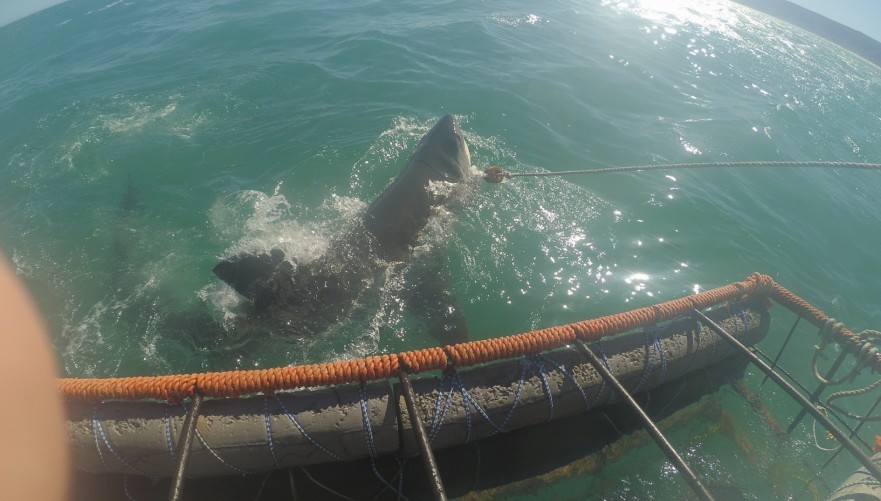
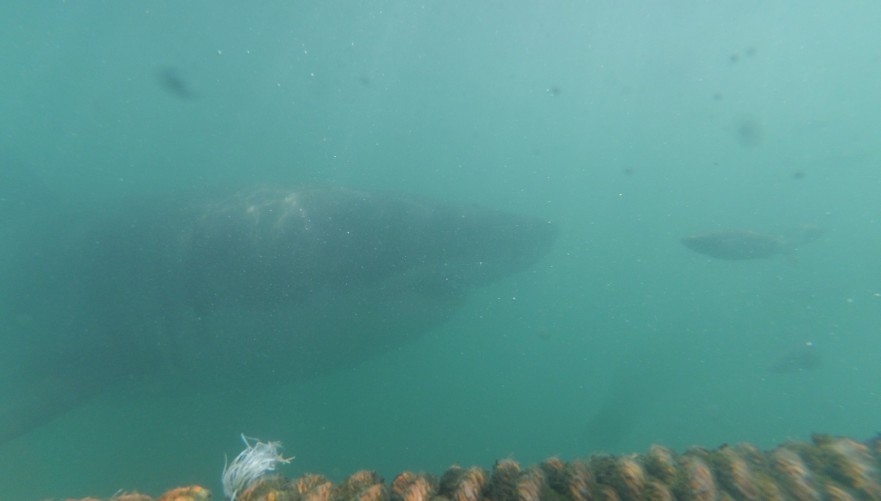
The experience itself was insane, full of adrenaline, and highly recommended. The water is cold but not freezing, and with so much adrenaline you won't even notice it. The dive is done by attaching a cage to one of the sides of the boat, with a number of people entering the cage each time (7 in our case) and shark bait is thrown near the cage in order to attract them.
After the dive we headed north to the wine town of Franschhoek. The road to the town is insanely beautiful, especially at sunset. The road is full of twists and turns as you descend into the town located in a valley between several mountains. It is recommended to stop at one of the many stopping points along the road on the way for spectacular photos. The road is called Franschhoek Pass and its number is 45.
The main story of the town is a huge number of wineries and dairies located in and around it due to the ideal weather conditions for growing grapes. The main street is called Huguenotweg and it has dozens of restaurants as well as the starting station of the wine tram.
We stayed at Auberge Alouette. Keep in mind that staying in town is relatively expensive. This place is reasonable for its price. A recommended restaurant for dinner is The French Connection, and a good pub afterwards is Franschhoek Station Pub.
*Option – Mont Rochelle Nature Reserve: a trek on the main mountain surrounding the town.
Day 15 – Wine tasting and drive to Simon's Town.
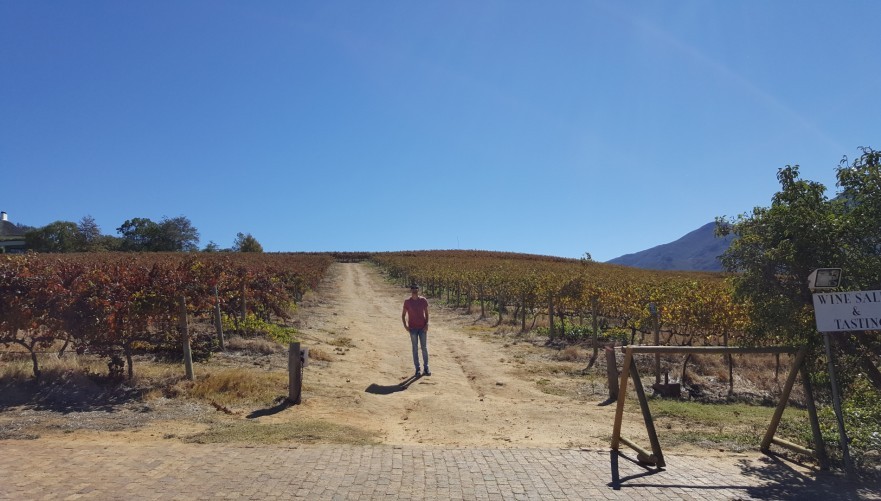
Franschhoek Wine Tram – A wine tram with several lines that passes between different wineries for wine tasting. We decided to skip it and drive to the wineries ourselves. Beyond the relatively high cost, there is no benefit to it except for people who don't want to drive. Also, you'll be forced to spend an hour at each winery. Keep in mind that it doesn't stop at all wineries in town, and there is an endless selection beyond the stops the tram reaches. The cost of wine tasting alone ranges from 20 to 50 Rand.
La Couronne – An excellent winery where you can also do wine tastings paired with chocolate and pizza.
Franschhoek Motor Museum – Franschhoek Motor Museum, #1 on TripAdvisor. Basically, out of all the dozens of activities we did so far, this is the only thing I would skip in hindsight. 80 Rand per person.
Fairview Wine and Cheese – A tip we got from a local sent us to this place located outside the town. The place is huge and much more touristy than any winery we had been to. There is a huge cheese and dip shop, a winery, and several goat pens. There is a restaurant on site called Goatshed which was very good for a cheese meal.
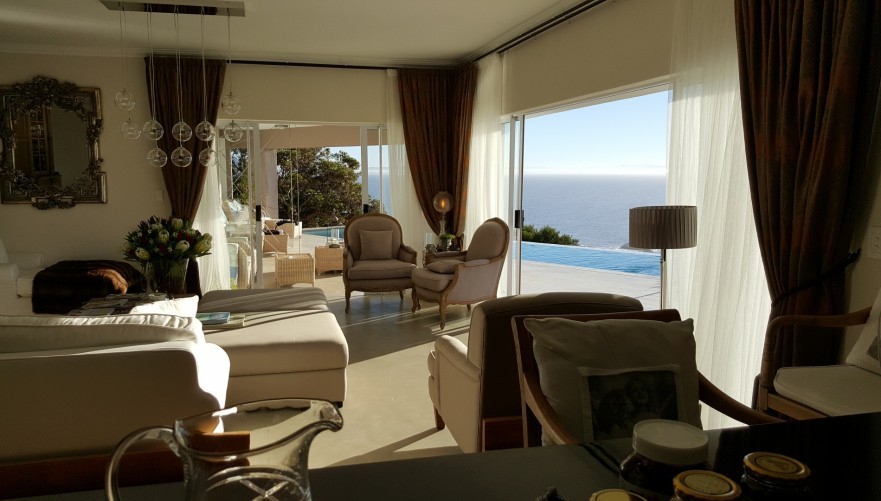
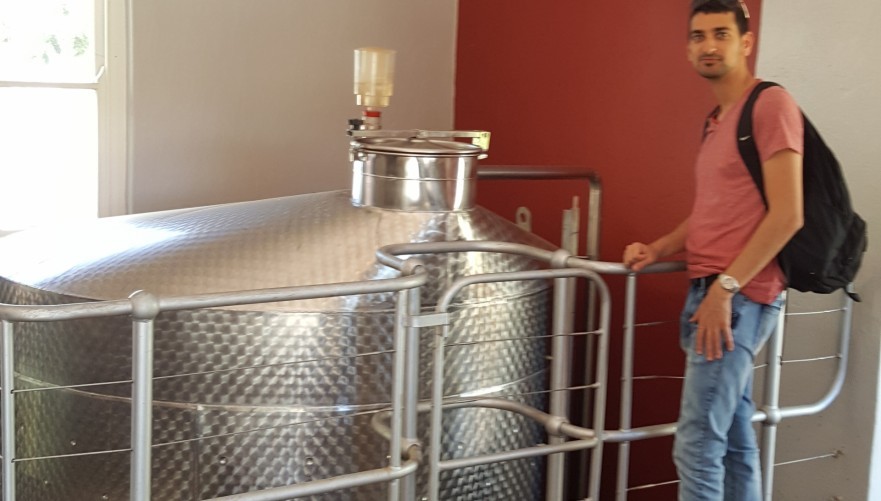
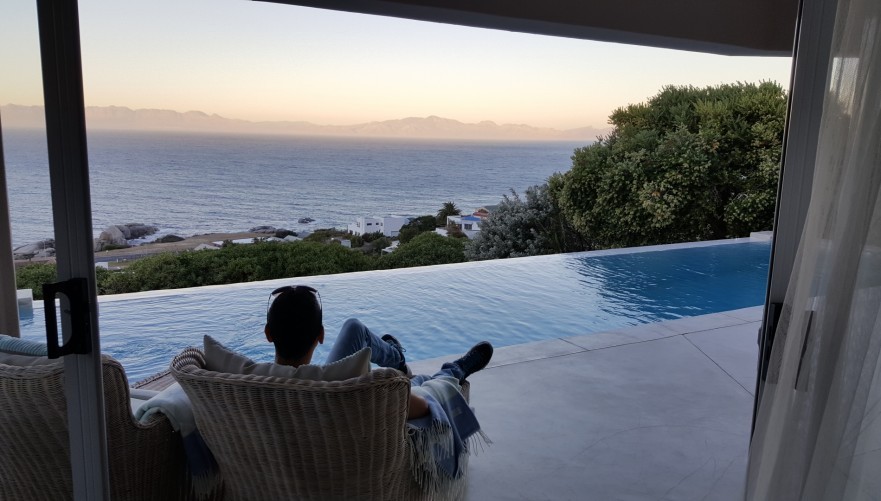
Afterwards we continued on our way to the town of Simon's Town, famous mainly for the penguin beach Boulders Beach, and which serves as a good place to spend the night in order to be close the next morning to the Cape of Good Hope. We stayed at Residence William French, the most amazing apartment we stayed in during the entire trip to South Africa, insanely recommended! No need to even think about another place. William is an awesome host with a huge luxury apartment and a pool overlooking the horizon. We skipped going out in the evening to town because the room was so incredible.
*Option – Continue on the wine route to Stellenbosch
*Option – Continue straight to Cape Town
Day 16 – Boulders Beach, Cape of Good Hope, Chapman's Peak, arrival in Cape Town.
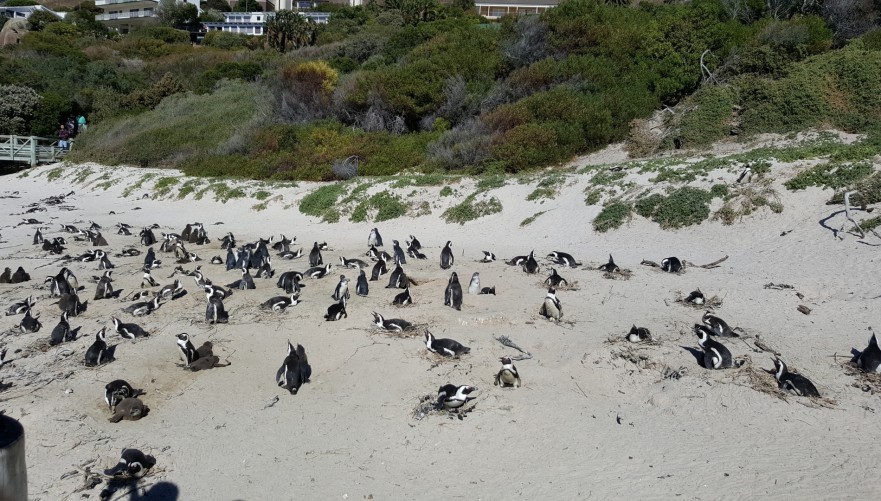
Boulders Beach – A nature reserve on a fenced strip of beach where penguins nest. 70 Rand per person. You can save the cost and go to the adjacent beach, which the penguins also visit all the time.
Cape of Good Hope – One of the most touristy and famous nature reserves in South Africa, you can even spend the night there and it includes a variety of entertainment options. The price accordingly - 135 Rand per person.
The main attraction is going up to Cape Point and the lighthouse. You can do this on foot or via the funicular (Flying Dutchman) at a cost of 50 Rand. We chose to go up by funicular and walk down. After reaching the main lighthouse, there is a path with a trail of about 45 minutes that brings you close to the second lighthouse, though still from a distance.
From Cape Point there is a walking trail along the coast to Cape of Good Hope, which we preferred to skip due to the abundance of trails we had already done on our way.
Cape of Good Hope – Some get confused and think this is the southernmost point on the African continent, but it is the southwesternmost point on the continent (the real one is at Agulhas, which we visited a few days ago). There is the famous sign marking the name of the place and dozens of tourists taking photos with it.
Chapman's Peak – A toll road heading towards Cape Town carved into the mountain. One of the most spectacular roads we've driven on, and it's worth taking a detour especially if you're not in the area just to drive through it. 42 Rand per vehicle.
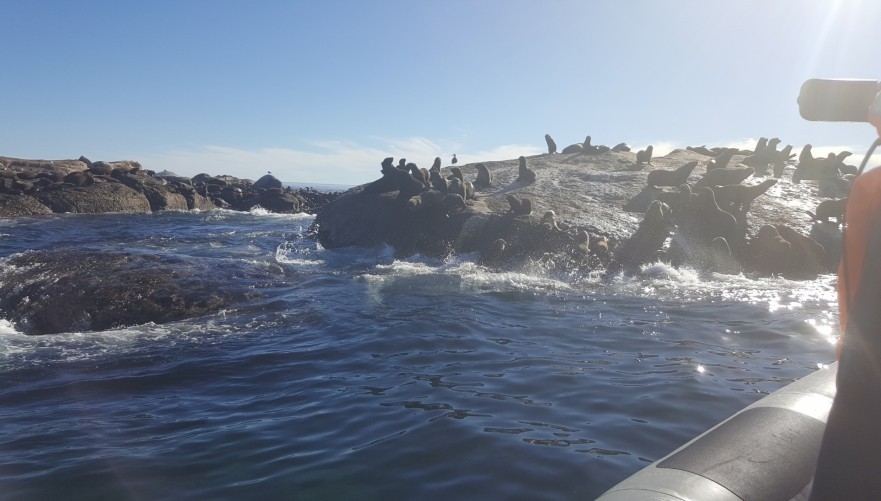
Hout Bay – A small town south of Cape Town whose main attraction is a boat trip to the seal island, Duiker Island. The town also has a market active on weekends. Cruises depart throughout the morning and there are also several in the afternoon at a cost of 70 – 80 Rand per person. Our original plan was to take the 15:00 cruise, but due to low turnout the cruise didn't depart. There are several operators on site, one of which also offers a private rubber boat tour to the island at a cost of about 250 Rand per person throughout the day. The Israeli sense worked overtime and I managed to recruit 9 other people who were also disappointed that there was no regular cruise, and I negotiated an end-of-day price with him of 100 Rand per person :-).
Duiker Island – We sailed on an hour-long boat ride to the seal island in the rubber boat, hoping to see dolphins as well. The tiny island is packed with thousands of seals and it was a great, recommended experience, especially with the low rubber boat where the operator gave us a bit of extreme action on the way back. We ate at The Lookout Deck Hout Bay restaurant right after the boat trip. A restaurant with good food, but quite expensive mostly because of the location and tourists.
The Garden Route section has come to an end, and we arrived in Cape Town. In this part, I will focus less on day-by-day division and instead list several attractions and interesting things in the city. We spent 4 full days here before our flight to Seychelles, and it felt like more than enough. Also, you can visit this excellent website http://tiulim.net which contains a lot of information about the city in the "Complete Guide to Cape Town".
Cape Town -
Car: A main question that many deliberate over is whether to return the car or keep it. We chose to keep the car and not be limited to taxis alone, even though we understood they are relatively cheap. We also wanted to visit quite a few spots, including the huge casino which is quite far from the center. In terms of parking, we had no problem finding a spot anywhere, some paid and some free. Traffic jams in the city are very rare, certainly nothing like back home, adding at most a few single minutes to the drive.
Accommodation: Main neighborhoods to stay in are Green Point, Sea Point, and Camps Bay. We chose to stay in an apartment in Green Point at the end of York Road in an area with plenty of restaurants on the main street. I wouldn't recommend staying around Greenmarket, as it's less pleasant in the evenings.
Camps Bay – The more luxurious part of the city, packed with bars, people, and restaurants along the beachfront. The city's main swimming beach is located here. It's amazing to walk on the beach at sunset. I wouldn't recommend sleeping there because it's relatively distant, meaning round-trip traffic jams will be much longer, and in the evenings after 22:00 everything closes, so it requires another drive to the center or a taxi.
Waterfront – Cape Town's famous and huge promenade. Abundance of restaurants, entertainment venues, tours, helicopter rides, and anything else you can think of. The Clock Tower is at its center. The Two Oceans Aquarium is located here; we skipped it because the predator display was closed.
Animals: The aquarium, World of Birds, Butterfly World.
Malls: Generally, prices are quite expensive and the familiar chain stores barely exist besides Nike, Adidas, and H&M that we came across. Leading malls are V&A on the promenade, the huge Canal Walk, and the Access Park outlet.
Points of interest: Greenmarket, Company's Garden, Castle of Good Hope, and the Botanical Garden (we didn't go).
Recommended streets: Long, Kloof, Loop
Recommended restaurants that stood out: Hudsons, an excellent burger chain; Kloof Street House; Beerhouse, a famous bar with dozens of beer types; Eastern Food Bazaar, a food court with several Eastern food stalls, very crowded, offering dozens of huge dishes at particularly low prices. A restaurant many recommended is Nelson's Eye, but we didn't get to visit it.
Walking tours: Every day throughout the year, free walking tours (tip-based) depart from the market: Historic tour, Bo-Kaap tour, District Six tour. We did Bo-Kaap and District Six on the same day and I highly recommend them, though it's best not to go with the same guide because they repeat a lot of general Cape Town stories. Another tour takes place on the promenade.
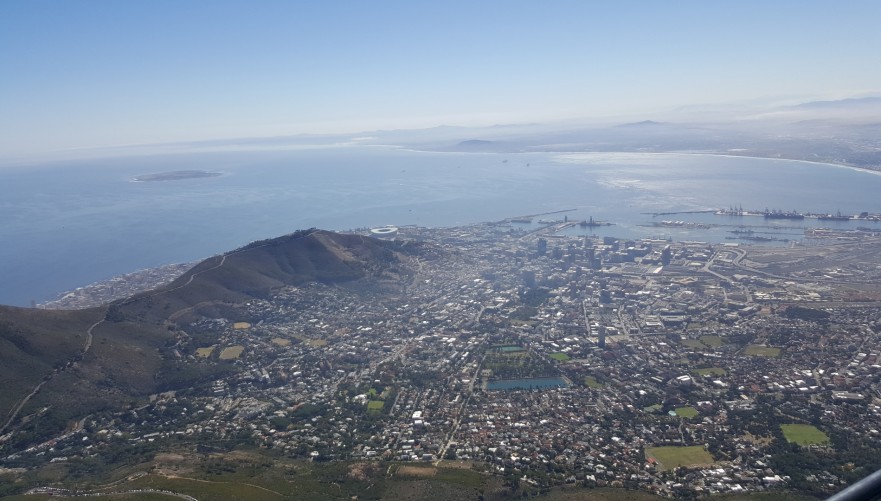
Table Mountain: You can go up and down via cable car or hike one of the many trails there. It is a must to check visibility online before arriving because if it's foggy there is no point in going. On Fridays only, there is a 50% student discount for on-site purchases (the only place in South Africa where I saw a student discount for non-nationals). It is advisable to buy tickets online to avoid the ticket counter line, plus there is plenty of line for the cable car anyway...
We chose to park at the lower cable car station, go up by cable car, and hike down, which was a mistake. If you decide to hike one direction, it must be the ascent and not the descent. Most of the way is on rocks, and doing them downhill is significantly harder and more dangerous than going up. We had a very hard time finding the trail down to the lower cable car and got lost quite a bit. It is marked on a rock on the ground and described as an hour-and-a-half descent. In reality, the descent takes over two and a half hours, the sign is very misleading, and many who made the way down ran out of water and finished the trail completely exhausted.
Lion's Head + Signal Hill: Another famous trail that can only be done on foot. Unfortunately, we didn't have the chance to do it and only drove to the viewpoint at Signal Hill where you can do paragliding.
GrandWest Casino – This isn't just another casino, but a real city. It has dozens of restaurants, some of which are branches of the best restaurants in South Africa.
Robben Island: A boat ride to the island that served as a prison for political prisoners during the Apartheid era and, of course, for the prisoner who became president – Nelson Mandela. Part of the guided tour is conducted by former inmates. A must-do and highly recommended trip. Departs 3 times a day from the promenade, advisable to book in advance 320 Rand per person.
That's it... We said goodbye to South Africa and hello to Seychelles.